




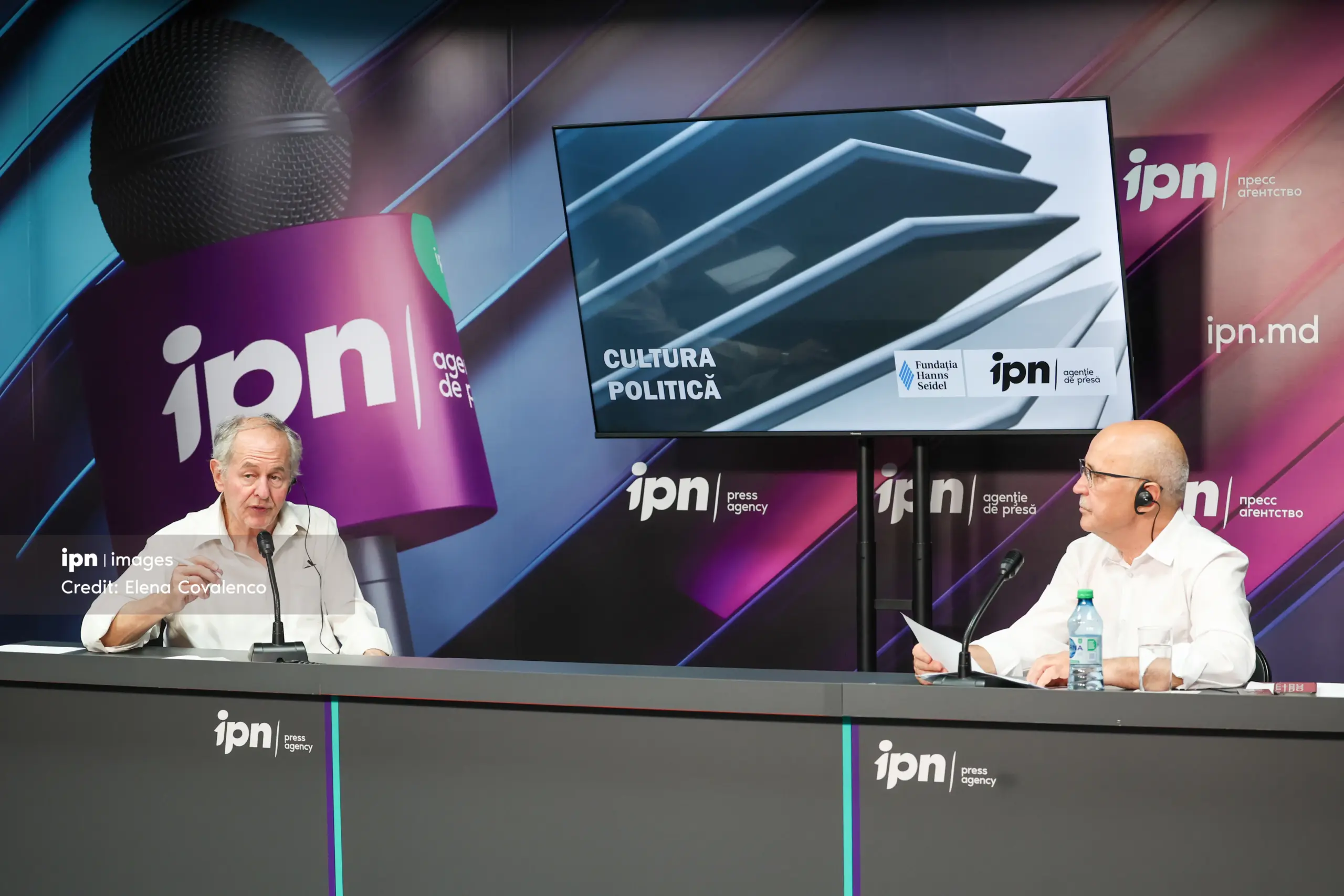
Although Nazism is rightly condemned internationally, the tragedies caused by communism have not received the same condemnation and historical acknowledgment. The statement belongs to the French writer and journalist, Thierry Wolton, and was made during the interview “Post-communism, a brake on the civilizational development of the world”, conducted by the IPN News Agency. The historian explained why the memory of communism has remained in the shadow of the memory of Nazism.
According to the French writer, the military defeat of Nazi Germany and the Nuremberg trials made a clear and unanimous condemnation of Nazism possible, unlike communism, which collapsed without going through a similar process of judging the crimes committed.
“Nazism was defeated in war. Communism was not defeated, but collapsed. Nazism was a horror and rightly demonized. In the case of Nazism, there was the Nuremberg trial, in the case of communism, there was no such trial. There is also a memory of the errors of Nazism, thanks to the Jews. This still allows for Nazism to be unanimously condemned today,” said the French writer and journalist.
At the same time, Thierry Wolton believes that the emphasis placed by the international community on the crimes of Nazism has contributed to the marginalization of the memory of the victims of communism. In his opinion, the USSR and its allies promoted the condemnation of Nazism, however avoiding a similar condemnation of communism.
“Nazism has become the standard of global horror. But what is regrettable is that the drama of Nazism has managed to erase the drama of Communism. The USSR and all its accomplices in the world have acted in such a way as to demonize Nazism, but to avoid the demonization of Communism. From my point of view, they are two different ideologies, but they have acted in the same way,” said the French writer, journalist, and historian, Thierry Wolton.
The video interview: “Post-communism, a brake on the civilizational development of the world” is produced by the IPN Press Agency, in partnership with the Hanns Seidel Foundation Romania, the Corneliu Coposu Foundation and the Hanns Seidel Foundation Republic of Moldova.
