




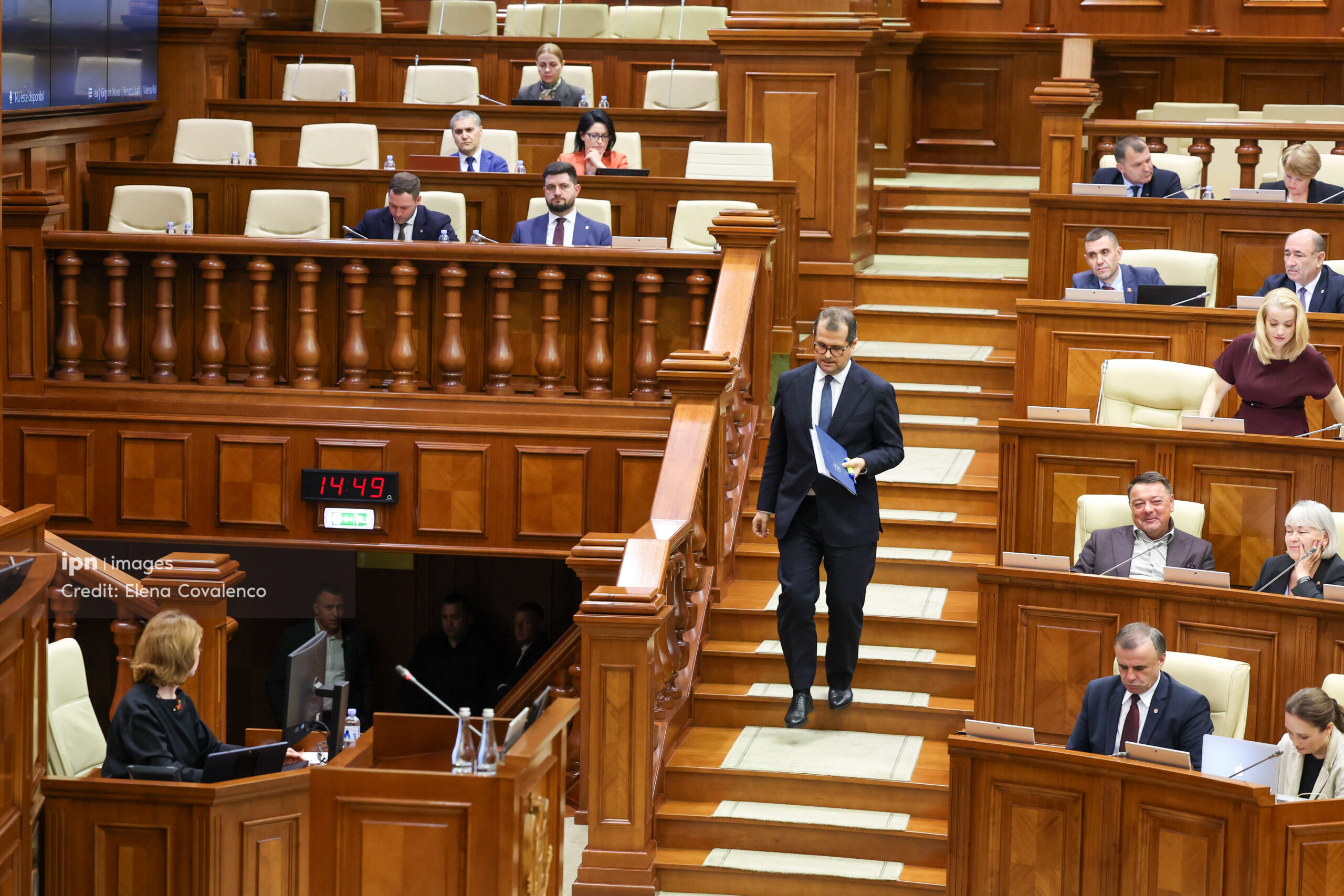
The Parliament approved the establishment of the state of emergency from September 26, for a period of 60 days in the energy and hydrological sectors. During the debates, the opposition criticized the measure, arguing that it does not provide real solutions to the problems faced by citizens, especially in the context of rising heating prices, reports IPN.
The opposition also accused the Government that the establishment of a state of emergency could allow the adoption of decisions and the conclusion of contracts under less transparent conditions. The deputies demanded more clarity regarding the measures to be applied and argued that the authorities must present concrete solutions for protecting the population and the economy.
Prime Minister Vasile Tofan stated that the government is seeking solutions to mitigate the impact of rising prices, and that citizens will benefit from compensations. “I share the same concern about how citizens will cope. What we can do, as a Government, is to maximize this compensation fund,” the Prime Minister declared.
The opposition has demanded explanations about the liberalization of the energy market, asking where the alternative suppliers are and why they are not entering the market in the Republic of Moldova. Vasile Tofan said that the authorities are negotiating with several suppliers and that the results will be made public when there are concrete information.
During the debates, the situation of farmers and transporters was also addressed, with the opposition arguing that they do not receive enough support in the context of rising diesel prices. The Prime Minister stated that if the state decides to support farmers, the measure should be a targeted one, through direct transfers or by refunding the excise duty. “If we decide to help farmers, we must do it through direct transfers to farmers. For example, to refund the excise duty for farmers,” said Vasile Tofan.
The Prime Minister emphasized, however, that such a measure must have a clear source of funding and asked the opposition deputies to indicate where the funds could be allocated from. “Tell us which budget line we should cut and give the excise to the farmers. I want to help the farmers, but please tell me from which lines we cut. Do we cut from schools? Do we cut from winter subsidies? Do we cut from town halls?” the Prime Minister declared.
The Parliament voted to introduce a state of emergency from September 26 with the votes of 54 deputies from the majority PAS faction, after more than five hours of discussions and debates. 20 deputies voted against and 22 abstained. According to legislative procedure, the decision will become official and will have legal effects immediately after the text of the resolution is published in the Official Gazette.
