

The hydrological situation on the Dniester is deteriorating: water reserves continue to decrease

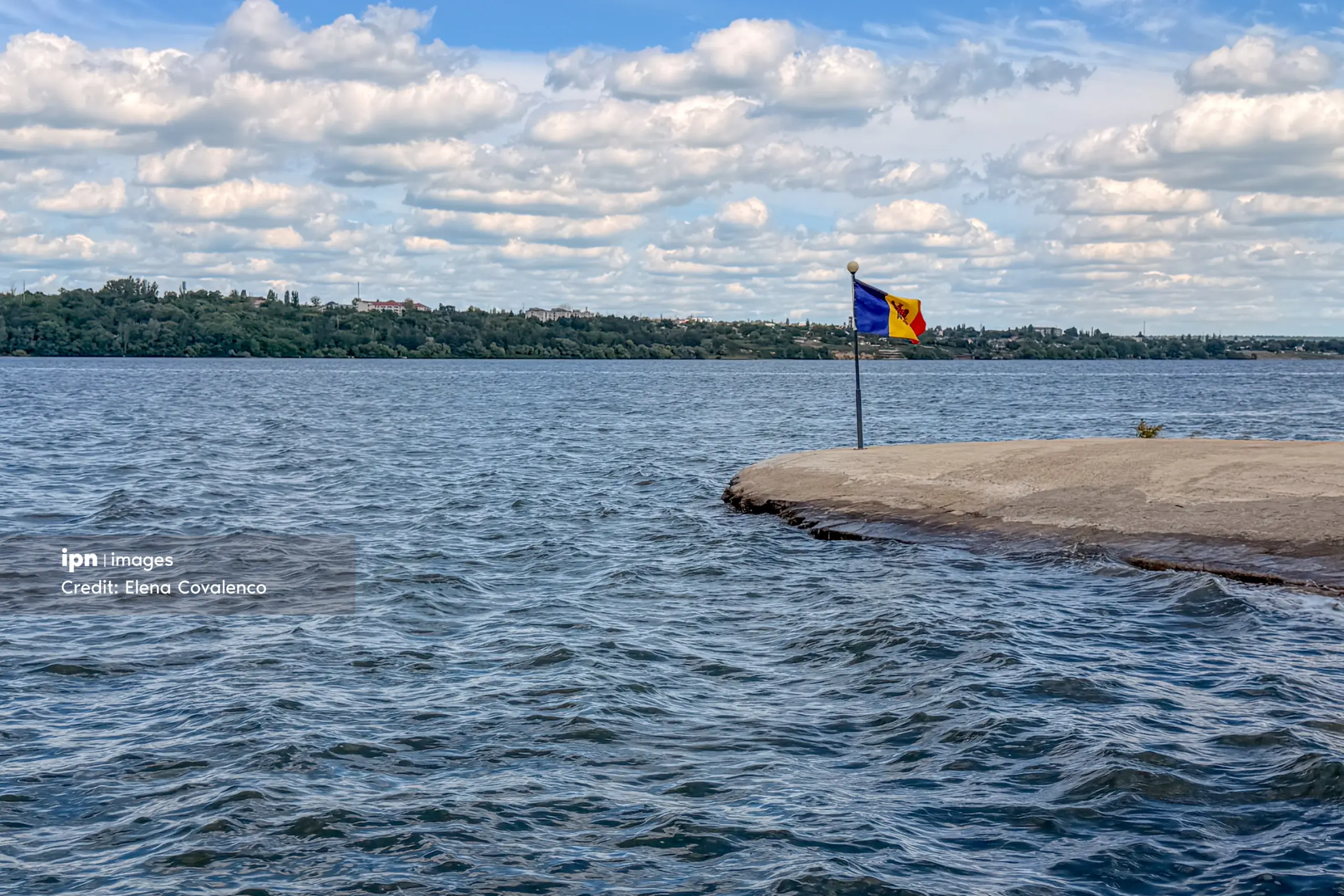
The hydrological situation on the Dniester continues to deteriorate due to the reduction of water reserves in the Novodnestrovsk reservoir. Only in September, the water level in the lake dropped by about 68 centimeters, reaching a quota of 111.15 meters. According to the Minister of Environment, Gheorghe Hajder, during this period over 63 million cubic meters of water were evacuated more than entered, reports IPN.

The average inflow into the lake was approximately 23 cubic meters per second in September, while downstream discharges were maintained at 60 cubic meters per second. In total, over 40 million cubic meters of water entered the lake, and the evacuated volume was about 104 million cubic meters. The inflow varied between 16 and 35 cubic meters per second, without a constant increase that would allow for the replenishment of water reserves.

Gheorghe Hajder specifies that although precipitation has been recorded on the country’s territory, the amounts that fell in the upper basin of the Dniester, on Ukrainian territory, were not sufficient to cause a significant increase in the inflow rates into the reservoir.

In the context of maintaining low flow rates, the Ministry of Environment has urged the population and economic agents to use water responsibly and to avoid unnecessary consumption. At the same time, the authorities recommend repairing the faults on the water supply networks to reduce losses and leaks, the rational use of water in households, and avoiding the use of drinking water for activities that are not strictly necessary.

The Ministry of Environment specifies that it continues to monitor the evolution of the hydrological situation, the flow rates of the Nistru river, and the water reserves of the Novodnestrovsk reservoir.


The cabinet of ministers convenes for a meeting /Government, entrance from Pushkin street /09:00 AM/.

The Superior Council of Magistracy convenes in session /CSM /at 09:30 AM/.

The Parliamentary Committee for Social Protection, Health and Family is organizing public hearings on the situation of foreign workers: identifying practical difficulties and regulatory solutions from the perspective of employers, recruitment companies and professional associations /Parliament, office 114 /10:00 AM/.

The Public Property Agency is organizing an open auction for the selection of tenants for 21 state-owned agricultural lands /Public Property Agency /11:00 AM/.

The Vice President of the Parliament, Doina Gherman, and the Chairman of the Committee for Foreign Affairs, Defense and Security of the Senate of the Czech Republic, Pavel Fischer, are holding a press conference /Parliament, Hall of the Europa Room /11:45 AM/.

The Central Court of Appeal is set to rule on the prosecutors’ appeal regarding the preventive measure applied to the director of the Pruncul Penitentiary, Eduard Timofei, who was detained in July in a case where he is being investigated for corruption offenses, rape, and sexual harassment /01:00 PM/.

The Supervisory Board of the public company “Teleradio-Moldova” convenes a meeting to conduct the interview stage of the competition for the position of general director of TRM /TRM, Radio House /01:00 PM/.

The Parliament is convened for an extraordinary session /02:30 PM/.

The National Museum of Ethnography and Natural History inaugurates the exhibition “Living Heritage: Potters and Ceramists at the Altar of Tradition” /The National Museum of Ethnography and Natural History /03:00 PM/.

Glovo and Startup Moldova, in partnership with the Ministry of Economic Development and Digitalization, are organizing the final event of Power Up Moldova 2026, the first competition for start-ups /maib Park /04:00 PM/.

A group of Czech senators, members of the Committee for Foreign Affairs, Defense and Security, are on a visit to the Republic of Moldova /21–23 September/.

0 FacebookTwitterPinterestEmail


The hydrological situation on the Dniester is deteriorating: water reserves continue to decrease

The hydrological situation on the Dniester continues to deteriorate due to the reduction of water reserves in the Novodnestrovsk reservoir. Only in September, the water level in the lake dropped by about 68 centimeters, reaching a quota of 111.15 meters. According to the Minister of Environment, Gheorghe Hajder, during this period over 63 million cubic meters of water were evacuated more than entered, reports IPN.

The average inflow into the lake was approximately 23 cubic meters per second in September, while downstream discharges were maintained at 60 cubic meters per second. In total, over 40 million cubic meters of water entered the lake, and the evacuated volume was about 104 million cubic meters. The inflow varied between 16 and 35 cubic meters per second, without a constant increase that would allow for the replenishment of water reserves.

Gheorghe Hajder specifies that although precipitation has been recorded on the country’s territory, the amounts that fell in the upper basin of the Dniester, on Ukrainian territory, were not sufficient to cause a significant increase in the inflow rates into the reservoir.

In the context of maintaining low flow rates, the Ministry of Environment has urged the population and economic agents to use water responsibly and to avoid unnecessary consumption. At the same time, the authorities recommend repairing the faults on the water supply networks to reduce losses and leaks, the rational use of water in households, and avoiding the use of drinking water for activities that are not strictly necessary.

The Ministry of Environment specifies that it continues to monitor the evolution of the hydrological situation, the flow rates of the Nistru river, and the water reserves of the Novodnestrovsk reservoir.


The hydrological situation on the Dniester continues to deteriorate due to the reduction of water reserves in the Novodnestrovsk reservoir. Only in September, the water level in the lake dropped by about 68 centimeters, reaching a quota of 111.15 meters. According to the Minister of Environment, Gheorghe Hajder, during this period over 63 million cubic meters of water were evacuated more than entered, reports IPN.

The average inflow into the lake was approximately 23 cubic meters per second in September, while downstream discharges were maintained at 60 cubic meters per second. In total, over 40 million cubic meters of water entered the lake, and the evacuated volume was about 104 million cubic meters. The inflow varied between 16 and 35 cubic meters per second, without a constant increase that would allow for the replenishment of water reserves.

Gheorghe Hajder specifies that although precipitation has been recorded on the country’s territory, the amounts that fell in the upper basin of the Dniester, on Ukrainian territory, were not sufficient to cause a significant increase in the inflow rates into the reservoir.

In the context of maintaining low flow rates, the Ministry of Environment has urged the population and economic agents to use water responsibly and to avoid unnecessary consumption. At the same time, the authorities recommend repairing the faults on the water supply networks to reduce losses and leaks, the rational use of water in households, and avoiding the use of drinking water for activities that are not strictly necessary.

The Ministry of Environment specifies that it continues to monitor the evolution of the hydrological situation, the flow rates of the Nistru river, and the water reserves of the Novodnestrovsk reservoir.

0 FacebookTwitterPinterestEmail


1 IANUARIE, 2025
1 IANUARIE, 2025