




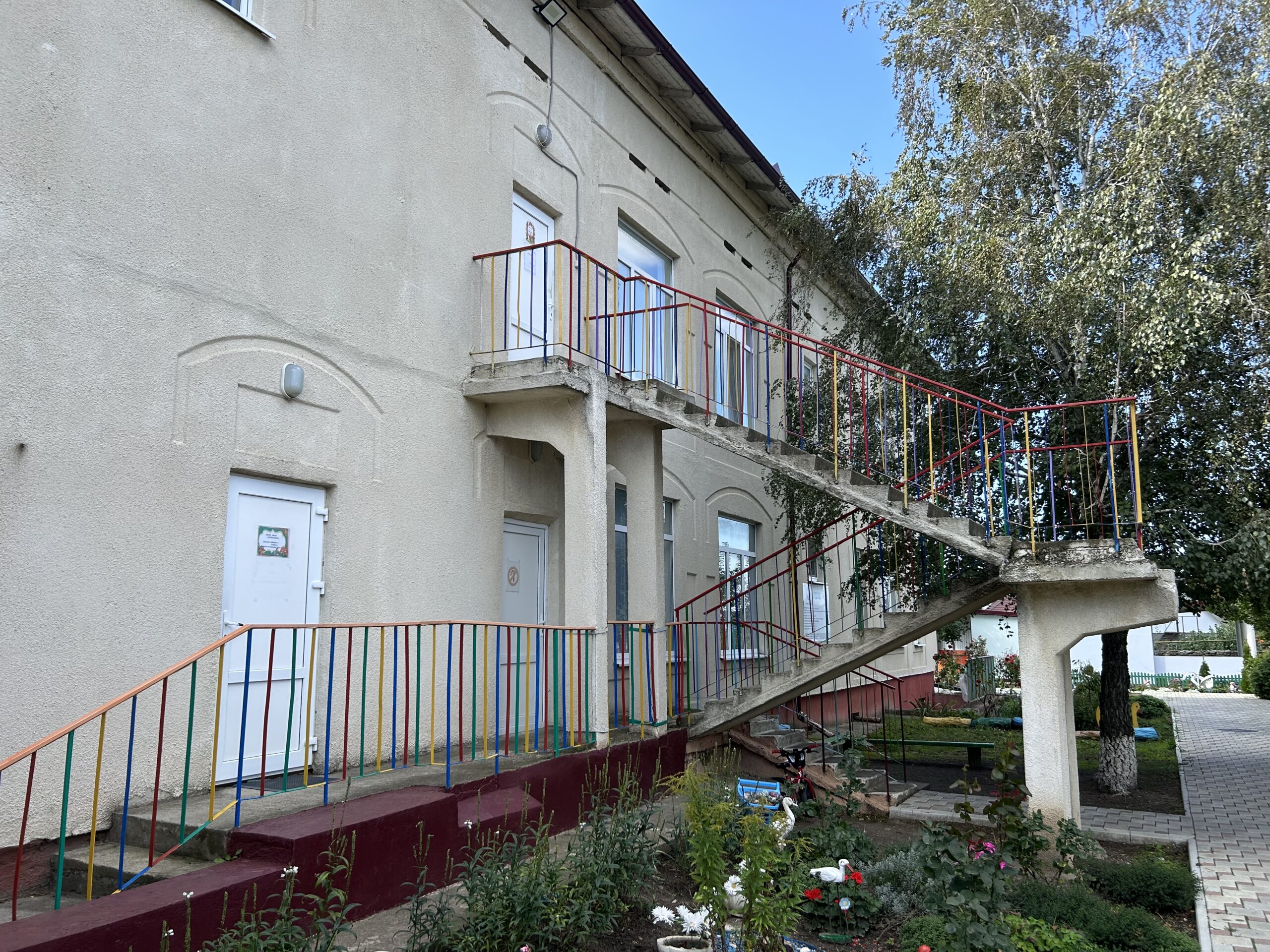
One of the four blocks of the “Garofita” kindergarten in the village of Cocieri, Dubasari district, is set to be energy efficient. The works, estimated at 126 thousand euros, are expected to reduce the building’s energy consumption by about 40% and generate savings of approximately 10 thousand euros per year, reports IPN.
The local public authority will contribute to the project with an additional 25 thousand euros. The energy efficiency works will begin with block C, where five of the eight groups operate. As part of the works, 700 square meters of exterior walls and 535 square meters of attic floor will be insulated. According to estimates, after renovation, the block’s energy consumption is expected to decrease by approximately 55 MW/hour per year.
The mayor of Cocieri commune, Raisa Spinovschi, mentions that this represents an important step towards reducing energy consumption and ensuring a more comfortable and healthy environment for children, including during times of crisis.
The Ministry of Energy mentions that the “Garofita” kindergarten, opened in 1989, is currently attended by 170 children. Of these, 63 come from other localities, including communities on the left bank of the Nistru that are outside the control of the constitutional authorities. The institution operates based on the national curriculum, in Romanian, and provides support for the integration of children from Russian-speaking families. The children also benefit from English lessons, dance activities, and adapted assistance for those with special educational needs. Romanian language courses are organized for parents.
The village of Cocieri, a locality on the left bank of the Dniester under the control of the constitutional authorities, is included in the perimeter of the Security Zone, established in the context of the Transnistrian conflict resolution. Peacekeeping forces are also deployed in the locality.
The kindergarten works will be carried out within the project “Energy Efficiency and Renewable Energies for Moldova” (E4M), implemented by GIZ with funding from Germany and the European Union.
