

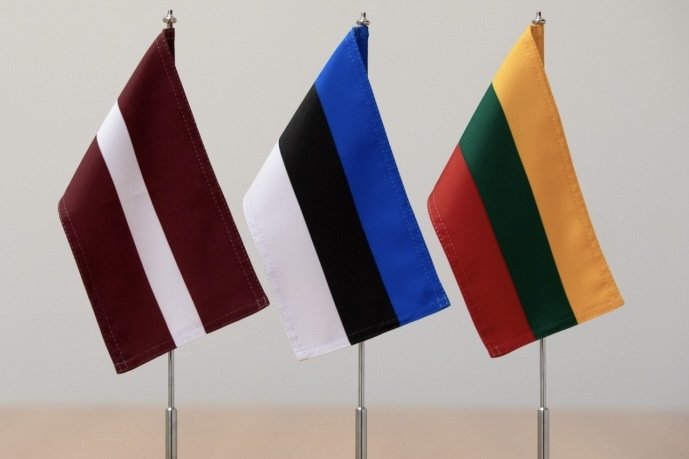
The Baltic states request the prohibition of Russian grain transit through the EU

Photo source: Ministry of Foreign Affairs of Latvia

Estonia, Latvia, and Lithuania are calling on the European Union to ban the transit of Russian cereals through the territory of the community block. In a letter addressed to the President of the European Council and the President of the European Commission, the leaders of the three Baltic states argue that Russia is attacking Ukrainian ports, but is making money by transporting its own cereals through the infrastructure of EU member states, reports IPN.

According to the letter signed by the Estonian Prime Minister, Kristen Michal, the Latvian Prime Minister, Andris Kulbergs, and the Lithuanian President, Gitanas Nauseda, Russia has escalated its attacks on the civilian population of Ukraine and is systematically targeting the country’s economic infrastructure. The aim of the Russian campaign, assert the three dignitaries, is to weaken the Ukrainian economy and limit its access to international markets. They claim that the Russian army deliberately attacks ports, civilian ships, railways, and main trade routes, making Ukrainian exports more difficult, more costly, and riskier. At the same time, Moscow is trying to maintain its access to international markets and increase its revenues.

In this context, Baltic leaders deem it unacceptable for Russia to use the EU’s infrastructure and internal market to maintain its profits despite the economic consequences of the war unleashed against Ukraine. They also demand the prevention of exporting stolen grains from temporarily occupied Ukrainian territories through the community block. At the same time, the leaders emphasize the importance of supporting Kiev, particularly by strengthening the EU-Ukraine solidarity corridors, which facilitate the transport of Ukrainian goods to international markets.


Estonia, Latvia, and Lithuania are calling on the European Union to ban the transit of Russian cereals through the territory of the community block. In a letter addressed to the President of the European Council and the President of the European Commission, the leaders of the three Baltic states argue that Russia is attacking Ukrainian ports, but is making money by transporting its own cereals through the infrastructure of EU member states, reports IPN.

According to the letter signed by the Estonian Prime Minister, Kristen Michal, the Latvian Prime Minister, Andris Kulbergs, and the Lithuanian President, Gitanas Nauseda, Russia has escalated its attacks on the civilian population of Ukraine and is systematically targeting the country’s economic infrastructure. The aim of the Russian campaign, assert the three dignitaries, is to weaken the Ukrainian economy and limit its access to international markets. They claim that the Russian army deliberately attacks ports, civilian ships, railways, and main trade routes, making Ukrainian exports more difficult, more costly, and riskier. At the same time, Moscow is trying to maintain its access to international markets and increase its revenues.

In this context, Baltic leaders deem it unacceptable for Russia to use the EU’s infrastructure and internal market to maintain its profits despite the economic consequences of the war unleashed against Ukraine. They also demand the prevention of exporting stolen grains from temporarily occupied Ukrainian territories through the community block. At the same time, the leaders emphasize the importance of supporting Kiev, particularly by strengthening the EU-Ukraine solidarity corridors, which facilitate the transport of Ukrainian goods to international markets.

0 FacebookTwitterPinterestEmail


The Baltic states request the prohibition of Russian grain transit through the EU

Photo source: Ministry of Foreign Affairs of Latvia

Estonia, Latvia, and Lithuania are calling on the European Union to ban the transit of Russian cereals through the territory of the community block. In a letter addressed to the President of the European Council and the President of the European Commission, the leaders of the three Baltic states argue that Russia is attacking Ukrainian ports, but is making money by transporting its own cereals through the infrastructure of EU member states, reports IPN.

According to the letter signed by the Estonian Prime Minister, Kristen Michal, the Latvian Prime Minister, Andris Kulbergs, and the Lithuanian President, Gitanas Nauseda, Russia has escalated its attacks on the civilian population of Ukraine and is systematically targeting the country’s economic infrastructure. The aim of the Russian campaign, assert the three dignitaries, is to weaken the Ukrainian economy and limit its access to international markets. They claim that the Russian army deliberately attacks ports, civilian ships, railways, and main trade routes, making Ukrainian exports more difficult, more costly, and riskier. At the same time, Moscow is trying to maintain its access to international markets and increase its revenues.

In this context, Baltic leaders deem it unacceptable for Russia to use the EU’s infrastructure and internal market to maintain its profits despite the economic consequences of the war unleashed against Ukraine. They also demand the prevention of exporting stolen grains from temporarily occupied Ukrainian territories through the community block. At the same time, the leaders emphasize the importance of supporting Kiev, particularly by strengthening the EU-Ukraine solidarity corridors, which facilitate the transport of Ukrainian goods to international markets.


The Competition Council has fined 27 companies approximately 95 million lei for rigging public tenders organized by the National Road Administration during 2019-2020. The companies allegedly coordinated their bids to secure contracts for repair, rehabilitation, and maintenance of roads, with a total value of around 1.75 billion lei, reports IPN.

According to the Competition Council, the investigation revealed that the companies exchanged sensitive information and shared public procurement procedures among themselves. Thus, they did not independently establish their bids and participation strategies, affecting real competition. The targeted tenders represented at least 47% of the total value of the road rehabilitation contracts concluded during that period.

The competition authority maintains that these practices have affected the efficient use of public funds. In the context of real competition, the savings obtained could have allowed for the completion of a larger volume of road infrastructure works.

Seven of the targeted enterprises have fully or partially acknowledged the violations and have benefited from reductions in fines, under the law. The decision of the Competition Council can be contested within 30 days of receipt.

0 FacebookTwitterPinterestEmail


1 IANUARIE, 2025
1 IANUARIE, 2025