




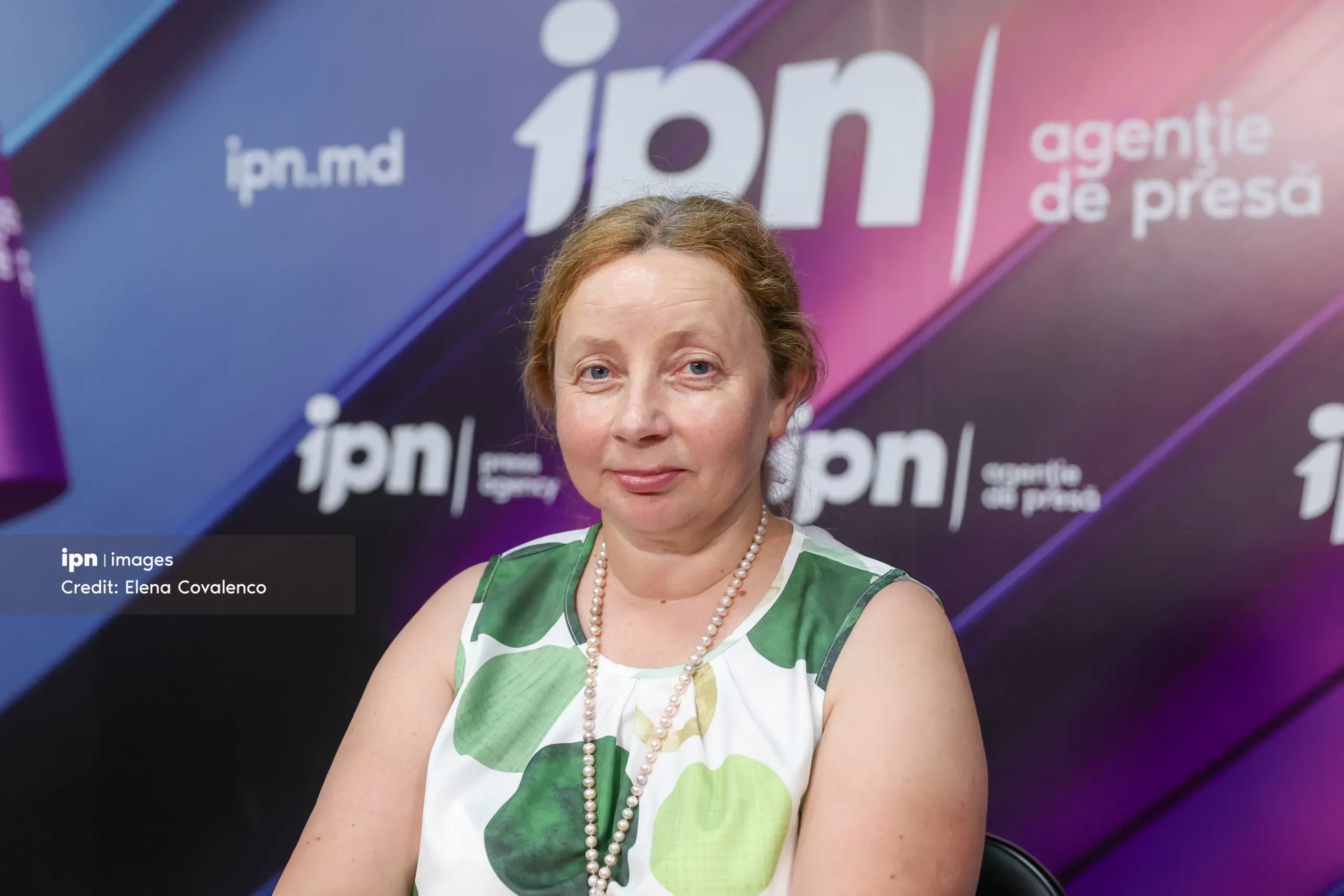
The voluntary amalgamation process of localities generates concerns among the population regarding the distribution of budgets and ensuring balanced development between communities, says the mayor of Telita commune, Rodica Russu. In an interview for IPN, the mayor clarified that these aspects were among the main concerns expressed during public consultations on the amalgamation of the Telita commune with the villages of Roscani and Calfa.
Rodica Russu mentioned that, within the framework of some local investigations, citizens expressed their concern that, in a common structure, some localities might concentrate most of the investments, while others could be left behind.
The mayor believes that these risks can be managed at the local level through coordination and joint planning mechanisms, including possible development agreements between communities. These, although without legally binding character, could function as a political and administrative commitment for a predictable distribution of investments over a five-year term.
“The population and local councils must have the certainty that there is an understanding regarding the allocation of budgets and infrastructure investments”, the mayor declared. She added that plans and strategies are being developed with clear priorities and costs, so that each locality can know the future stages of development.
According to Rodica Russu, the amalgamation model allows a flexible approach to development, including through the distribution of administrative functions and projects in various localities, depending on needs, such as infrastructure, education or community services.
In his opinion, the reform can contribute to a more balanced development, where decisions are made locally, and communities build a common vision adapted to their own needs and priorities.
Disclaimer: This material was prepared by the IPN Press Agency, within the project “Local Public Administration Reform in Dialogue”, funded by the Ministry of Culture from the Media Subsidy Fund.
