




Over 1.3 million fraudulent calls were blocked in the first five months of this year. However, authorities warn that social engineering frauds, through which scammers manipulate victims to obtain money or personal data, are becoming increasingly sophisticated with the development of artificial intelligence, reports IPN.
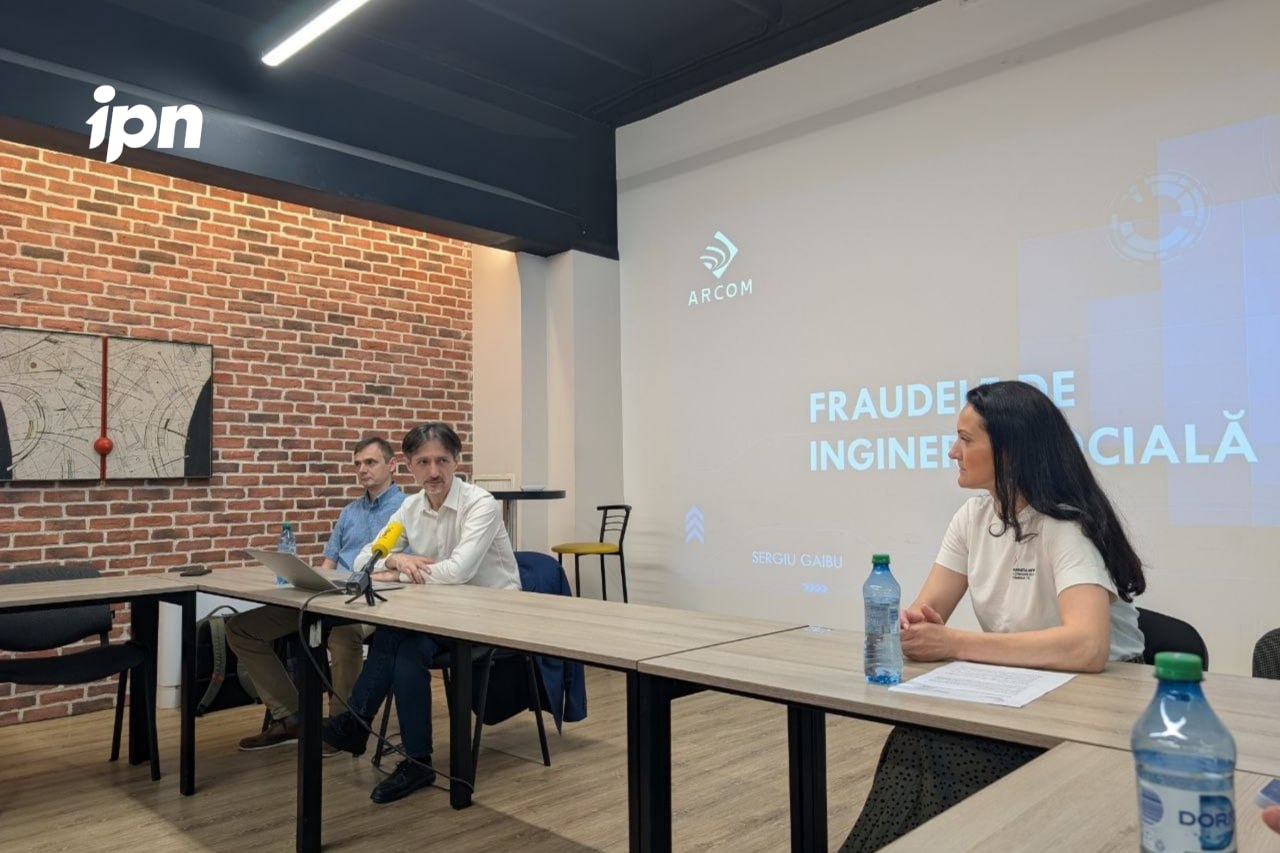
At a round table, the director of the National Agency for Regulation in Communications, Sergiu Gaibu, stated that the number of fraudulent calls blocked represents over 7% of the total call traffic received on international routes.
He specified that mechanisms such as validating the origin of calls, dynamic allow and block lists, verifying legitimate presence in roaming, validating subscribers in operator registries, and monitoring traffic anomalies are used to identify fraud attempts.
The participants in the discussions have pointed out that, against the backdrop of artificial intelligence development, attacks are becoming increasingly difficult to detect, and criminals use online applications, identity cloning techniques, and psychological manipulation to obtain personal or financial data. In this context, digital education of the population is considered one of the most effective preventive measures.
In this context, the director of ARCOM mentioned the need to launch a national information campaign, addressed to both adults and educational institutions. He also emphasized that the phenomenon has a cross-border character, and the lack of common international standards regarding communication and internet security hampers the prevention and investigation of these crimes.
