

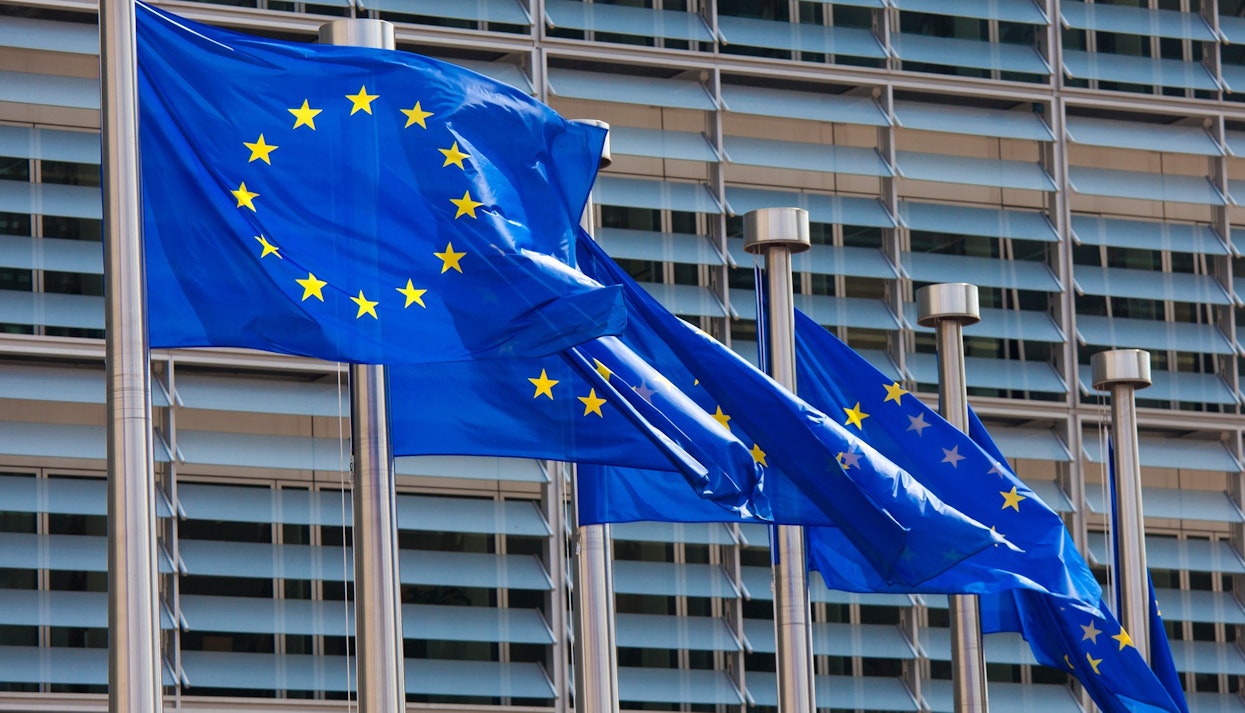
The EU announces new sanctions against Russia, targeting the energy sector and the economy

Photo source: Euronews

The European Commission presented on Friday the 20th package of sanctions against Russia, in the context of its aggression in Ukraine. After adoption, the European executive estimates that the new measures will further reduce Moscow’s oil export revenues and will limit the evasion of sanctions through the use of cryptocurrencies and the so-called “shadow fleet”, reports IPN.

The new package of measures targets, among other things, the banking sector, by sanctioning 20 Russian banks, as well as restricting the use of cryptocurrencies, platforms, and companies involved in the trading of virtual currencies. At the same time, the sanctions will be extended to banks from third countries that facilitate trade with previously sanctioned goods.

At the same time, the list of sanctions targeting Moscow’s so-called “shadow fleet”, used for oil trade in order to circumvent previously imposed restrictive measures, will be expanded. According to the European Commission, another 43 ships have been added to the list, bringing the total number of sanctioned ships to 640.

At the same time, a total ban on maritime services for the transport of Russian oil is proposed in the energy sector. The measure is expected to reduce Russia’s revenues from this sector and make it harder to identify new buyers. The implementation of the ban is anticipated to be carried out by the European Union together with its partners, following a corresponding decision by the G7.

Separately, a total ban is introduced on the maintenance and provision of other services for liquefied natural gas vessels and icebreakers, a measure that is expected to affect Russian gas exports and strengthen the already existing restrictions on LNG imports.

The proposed measures are to be discussed and adopted by the Council of the European Union. After adoption, they will be translated into all 24 official languages of the community block and published in the Official Journal of the EU, from which point they will come into effect.


Meteorologists have issued a yellow code warning for atmospheric instability across the entire country. The warning is valid from Sunday, 04:00 PM, until Monday, 02:00 AM, during which time rain, lightning, hail, and strong wind are expected, reports IPN.

According to the Authority of Meteorology and Environmental Monitoring, widespread short-duration rains accompanied by electrical discharges will occur. Isolated, there will be recorded heavy showers, and the water quantities can reach 15-35 liters per square meter.

Also, hail falls and storms are forecasted, with wind gusts between 54-72 kilometers per hour.

Meteorologists specify that the forecast can be updated depending on the evolution and intensity of weather phenomena.

0 FacebookTwitterPinterestEmail


The EU announces new sanctions against Russia, targeting the energy sector and the economy

Photo source: Euronews

The European Commission presented on Friday the 20th package of sanctions against Russia, in the context of its aggression in Ukraine. After adoption, the European executive estimates that the new measures will further reduce Moscow’s oil export revenues and will limit the evasion of sanctions through the use of cryptocurrencies and the so-called “shadow fleet”, reports IPN.

The new package of measures targets, among other things, the banking sector, by sanctioning 20 Russian banks, as well as restricting the use of cryptocurrencies, platforms, and companies involved in the trading of virtual currencies. At the same time, the sanctions will be extended to banks from third countries that facilitate trade with previously sanctioned goods.

At the same time, the list of sanctions targeting Moscow’s so-called “shadow fleet”, used for oil trade in order to circumvent previously imposed restrictive measures, will be expanded. According to the European Commission, another 43 ships have been added to the list, bringing the total number of sanctioned ships to 640.

At the same time, a total ban on maritime services for the transport of Russian oil is proposed in the energy sector. The measure is expected to reduce Russia’s revenues from this sector and make it harder to identify new buyers. The implementation of the ban is anticipated to be carried out by the European Union together with its partners, following a corresponding decision by the G7.

Separately, a total ban is introduced on the maintenance and provision of other services for liquefied natural gas vessels and icebreakers, a measure that is expected to affect Russian gas exports and strengthen the already existing restrictions on LNG imports.

The proposed measures are to be discussed and adopted by the Council of the European Union. After adoption, they will be translated into all 24 official languages of the community block and published in the Official Journal of the EU, from which point they will come into effect.


In the last five years, in the Republic of Moldova, there has not been a single case of poisoning caused solely by the consumption of watermelon or melon. In the context of the melon selling season, the National Agency for Food Safety clarifies that nausea or other digestive disorders appearing after their consumption does not automatically mean that the fruits contain a dangerous level of nitrates, reports IPN.

According to the data from the National Agency for Public Health, the 25 cases of nitrate poisoning recorded during the period 2021-2025 were mainly caused by the consumption of water from wells with a high nitrate content, and not by the consumption of green or yellow watermelons.

Specialists explain that the malaise that occurs after consuming watermelons can have other causes. Among these are the consumption of a large quantity in a short time, the digestive sensitivity of some people, non-compliance with hygiene rules before consumption, contamination of the fruit during handling, or storing the cut watermelon at inappropriate temperatures.

ANSA also refers to the conclusions of the European Food Safety Authority, according to which illnesses associated with watermelon consumption are usually caused by microbiological contamination, including bacteria such as Salmonella or E. coli, and not by nitrate content.

To mitigate risks, ANSA recommends purchasing watermelons only from authorized locations, washing the rind before cutting, and storing the cut fruit in the refrigerator. The institution emphasizes that nitrate poisoning cannot be determined solely based on digestive symptoms, but requires medical and laboratory confirmation.

0 FacebookTwitterPinterestEmail


1 IANUARIE, 2025
1 IANUARIE, 2025