




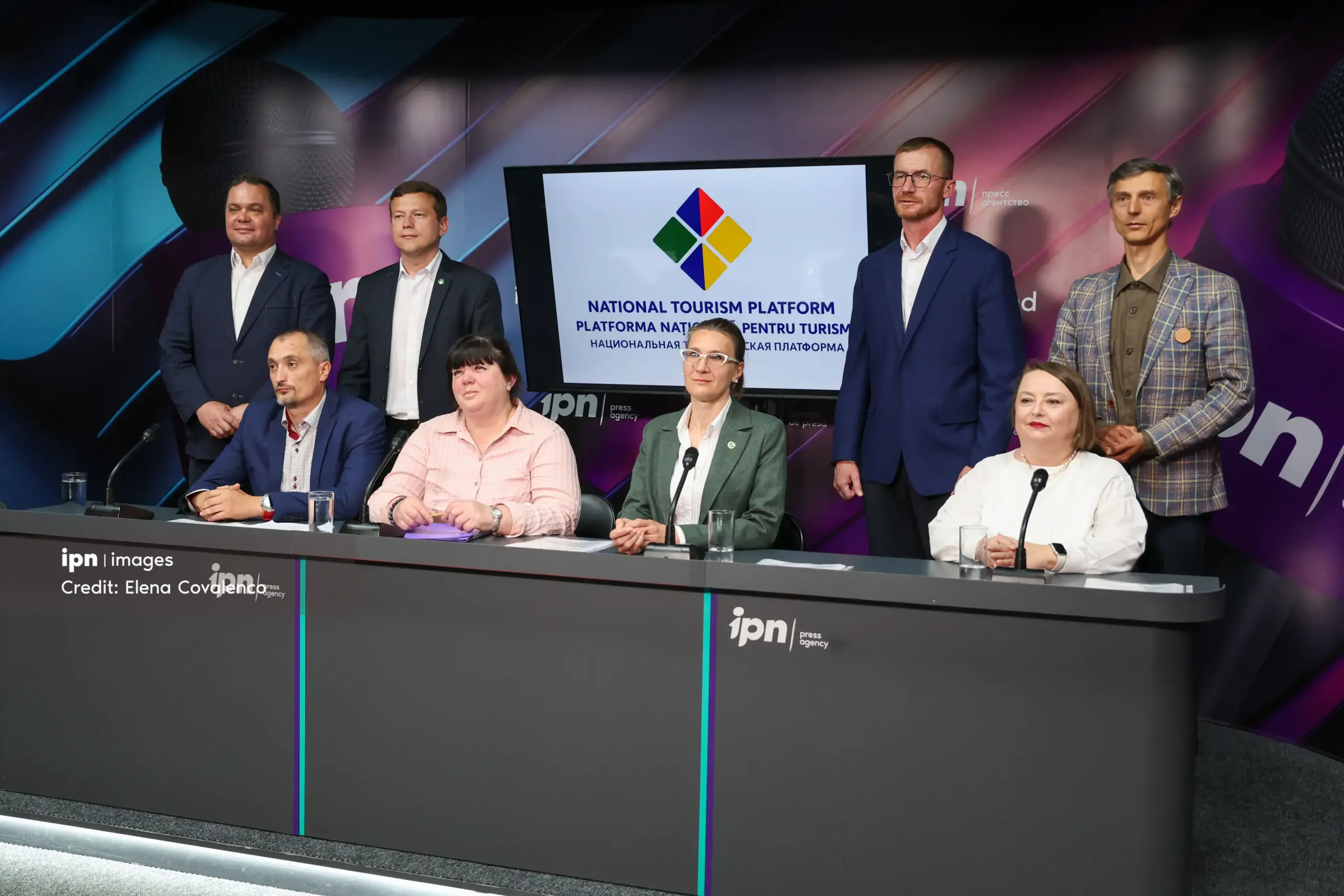
The connection of the Republic of Moldova to the European initiative Pact for Skills and the development of professional skills in tourism was one of the topics discussed at the National Conference for the development of domestic tourism and the International Forum on tourism skills, organized in Chisinau. According to the organizers, the development of tourism cannot take place without qualified personnel and without adapting educational programs to the current requirements of the market.
In this context, the National Tourism Platform aims to contribute to the creation of a national partnership for skills and to connect the sector to European professional training tools.
The head of the Department of Food and Nutrition at the Technical University of Moldova, Aurica Chirsanova, stated that the hospitality industry needs specialists with multidisciplinary training. “The hospitality industry no longer exclusively requests graduates with traditional training. Professionals who integrate managerial, digital, entrepreneurial, and technological skills are needed,” she specified during a press conference at IPN.
The participants discussed the harmonization of study programs with European standards, the development of dual education, and strengthening the collaboration between educational institutions and the economic environment. The emphasis was placed on training guides, destination managers, specialists in HoReCa, and other professionals involved in tourism activities.
Representatives of the sector have emphasized that professional training must keep pace with the transformations in the industry, including digitalization, the green transition, and the new requirements of tourists. At the same time, the advantages of cooperation with European structures promoting the development of skills in tourism were highlighted.
Svetlana Cazac, one of the founders of the National Tourism Platform, stated that one of the significant achievements of the platform is its integration into the European ecosystem Pact for Skills. “The platform is aligned with the Pact for Skills and can become a national mechanism for coordinating skills in tourism and connecting the sector to European priorities,” she affirmed.
In turn, Vladimir Ursu, the executive director of the NGO “Rural Renaissance”, emphasized that the development of rural tourism and domestic tourism requires more than just promotion and declarations. According to him, this process depends on the existence of well-defined tourist routes, quality services, adequate infrastructure, prepared guides, and effective local partnerships.
According to the participants, investments in education and professional training represent one of the essential conditions for increasing the competitiveness of Moldovan tourism and for its integration into the European circuit.
Note: IPN Agency offers the right of reply to individuals who consider themselves targeted in the news made from the statements of the organizers of this press conference, including by facilitating the organization of another press conference under similar conditions.
