

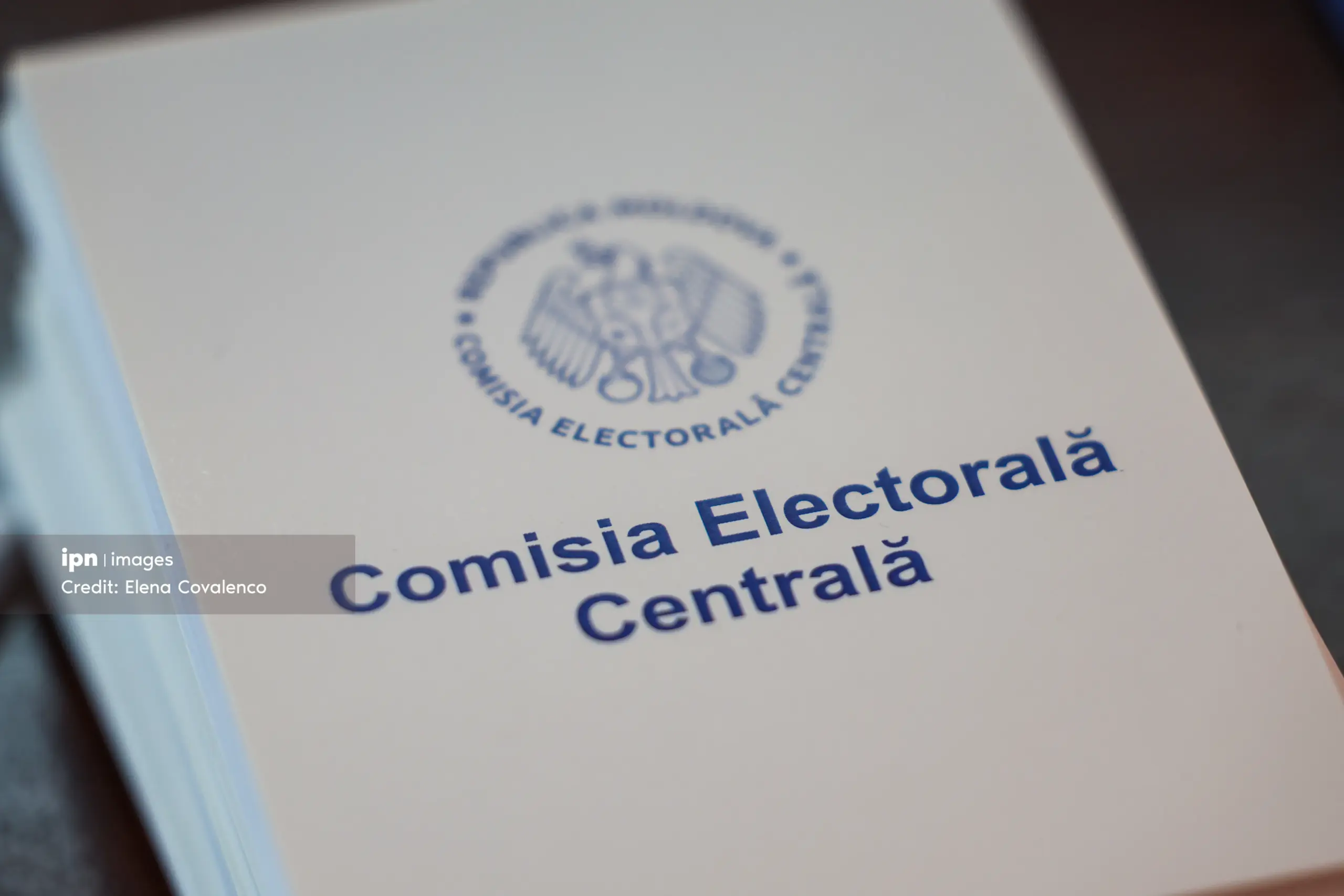
Parliament has launched a competition to select a civil society representative to serve on the CEC

Parliament has launched a competition to select a candidate for membership of the Central Electoral Commission, nominated by civil society organizations active in the electoral field. The competition is being held in accordance with the new provisions of the Electoral Code, IPN reports.

Organizations that monitor electoral processes, conduct research and provide expertise in the field, promote electoral rights and civic participation or contribute to voter education are eligible to apply. Organizations that monitor political and campaign financing, as well as the integrity and transparency of electoral processes, are also eligible. Applications may be submitted until December 4.

Eligible applicants will be heard at a public meeting of the parliamentary Committee on Legal Affairs, Appointments and Immunities. The candidate who receives a majority of the committee members’ votes will be nominated for appointment by Parliament. Candidates must hold citizenship of the Republic of Moldova, have at least five years of professional experience in electoral matters or eight years in law or public administration, and have an impeccable reputation.

Under the new structure, the Central Electoral Commission will have seven members, down from the current nine, serving six-year terms. Four members will be appointed by Parliament: two nominated by the parliamentary majority, one by the opposition and one by civil society organisations. The remaining three will be appointed by the country’s president, the Superior Council of Magistracy and the Government, respectively, with the Government’s appointee nominated by the Ministry of Internal Affairs.

In this context, the CSM also launched, on Thursday, the selection process for its representative to the CEC. Applications may be submitted until December 16.

The terms of office of the current members of the Central Electoral Commission expired in September but were automatically extended by law in light of the new local elections scheduled for November 1 and the elections in the Autonomous Territorial Unit of Gagauzia.

0 FacebookTwitterPinterestEmail


Parliament has launched a competition to select a civil society representative to serve on the CEC

Parliament has launched a competition to select a candidate for membership of the Central Electoral Commission, nominated by civil society organizations active in the electoral field. The competition is being held in accordance with the new provisions of the Electoral Code, IPN reports.

Organizations that monitor electoral processes, conduct research and provide expertise in the field, promote electoral rights and civic participation or contribute to voter education are eligible to apply. Organizations that monitor political and campaign financing, as well as the integrity and transparency of electoral processes, are also eligible. Applications may be submitted until December 4.

Eligible applicants will be heard at a public meeting of the parliamentary Committee on Legal Affairs, Appointments and Immunities. The candidate who receives a majority of the committee members’ votes will be nominated for appointment by Parliament. Candidates must hold citizenship of the Republic of Moldova, have at least five years of professional experience in electoral matters or eight years in law or public administration, and have an impeccable reputation.

Under the new structure, the Central Electoral Commission will have seven members, down from the current nine, serving six-year terms. Four members will be appointed by Parliament: two nominated by the parliamentary majority, one by the opposition and one by civil society organisations. The remaining three will be appointed by the country’s president, the Superior Council of Magistracy and the Government, respectively, with the Government’s appointee nominated by the Ministry of Internal Affairs.

In this context, the CSM also launched, on Thursday, the selection process for its representative to the CEC. Applications may be submitted until December 16.

The terms of office of the current members of the Central Electoral Commission expired in September but were automatically extended by law in light of the new local elections scheduled for November 1 and the elections in the Autonomous Territorial Unit of Gagauzia.


The new regions to be established as part of the local government reform will not have the same powers as the current district councils. Instead, they will focus on regional development, attracting investment and supporting municipal administrations. PAS MP Larisa Voloh made the statement during the public debate “The New Map of the Republic of Moldova: What will Local Government Reform change?”, organised by the IPN News Agency. She said the reform aims to draw a clearer distinction between the responsibilities of municipal administrations and second-tier local authorities.

As part of the reform, the 32 districts will be replaced by three regions North, Centre and South ss well as the municipalities of Chisinau, Balti and Taraclia. Larisa Voloh clarified that the new regions will not take over all the responsibilities currently held by district councils. Instead, their role will focus on developing infrastructure and coordinating public services at the regional level.

“For second-tier local authorities, we will not follow the approach currently used for district councils. There will be fewer second-tier entities—just three regions with a narrower remit. Their responsibilities will include regional development, attracting investment funding, and providing support to municipal administrations. The regions will also oversee all aspects of organizing services on a regional basis, including water supply, sewerage, and waste collection,” explained the deputy chair of the Committee on Public Administration and Regional Development.

Another area of responsibility for the new regions will be the implementation of infrastructure projects that exceed the capacity of a single municipality. “The regions will also be responsible for developing tourism and attracting funding for major investments, such as the construction and rehabilitation of regional roads. They will also have the authority to implement national and cross-border projects,” said Larisa Voloh.

The MP also noted that the assets currently managed by district councils would be transferred to municipal authorities. “Regional councils will not hold any assets. All assets belonging to the current district councils will be transferred to first-tier local authorities. The towns that currently serve as district seats will become local development hubs, replacing the existing districts,” she explained.

Disclaimer: This material was produced by the IPN News Agency as part of the “Local Government Reform in Dialogue” project, funded by the Ministry of Culture through the Media Subsidy Fund.


0 FacebookTwitterPinterestEmail


1 IANUARIE, 2025
1 IANUARIE, 2025