
More than 40 organizations and local authorities call on the government to introduce public–civic partnerships

More than 40 civil society organizations and local public authorities have signed a petition calling on the Government of the Republic of Moldova to adopt and promote the concept of public–civic partnerships—a mechanism that would allow public authorities and non-governmental organizations to jointly manage public infrastructure.

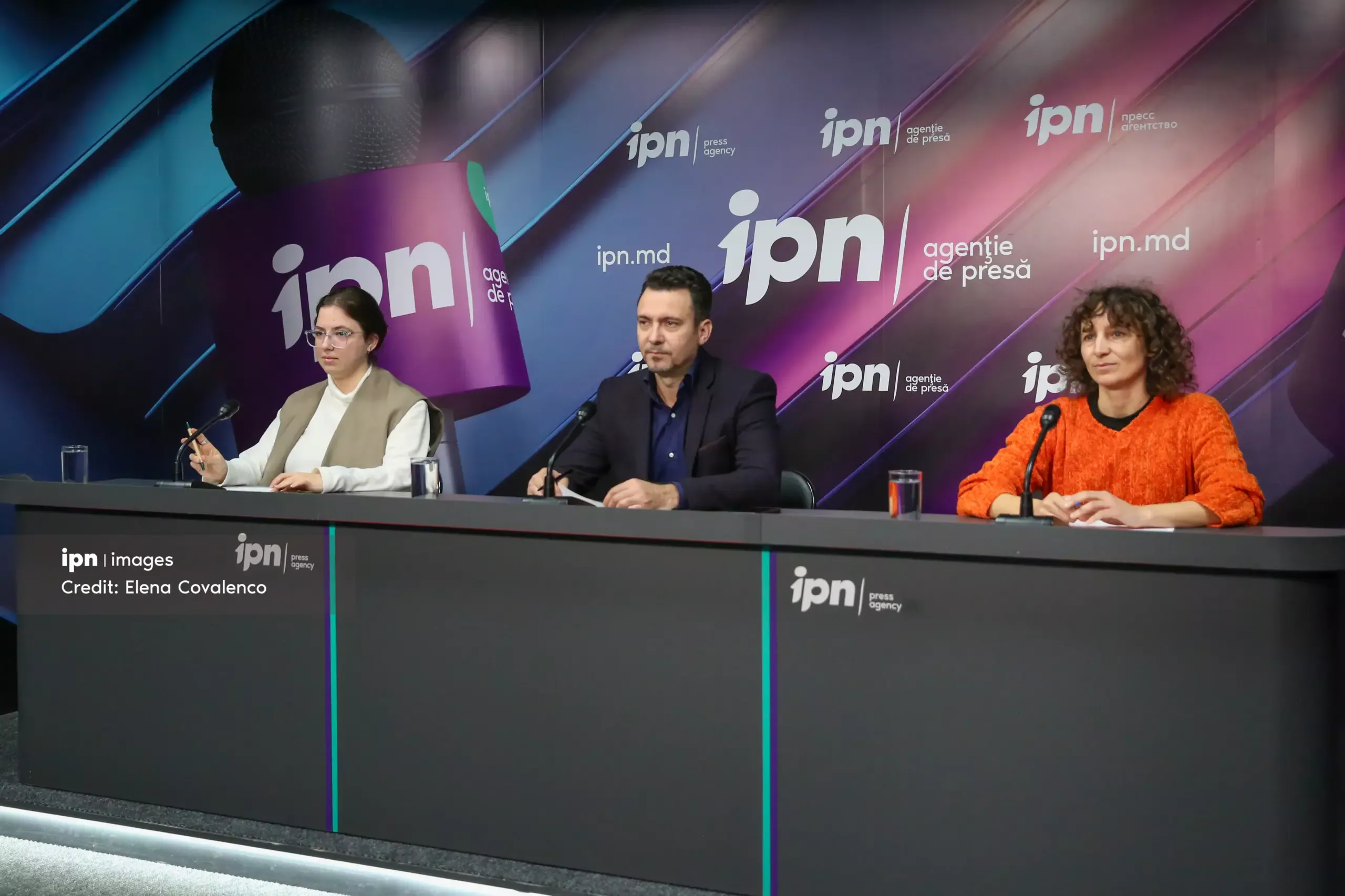
The announcement was made at a press conference hosted by the IPN news agency and organized by the Coalition of the Independent Cultural Sector. The initiators said that other civil society organizations can also sign the document until November 27, after which it will be submitted to the government.

The requests include taking forward the draft law and designating an institution responsible for its implementation, establishing a joint working group of public authorities and civil society, and developing a methodology for assessing the community benefits arising from the use of public infrastructure.

According to Teodora Panuș, coordinator of the Public-Civic Partnership, the concept is the result of three years of consultations with municipal authorities, central government institutions and non-governmental organisations from several regions of the country. “So far, more than 40 organisations and local authorities have signed this petition, including organisations working in culture, youth, the environment, social services, human rights and other fields,” Teodora Panus said.

Civil society representatives are also calling for this mechanism to be included in the new draft law on public-private partnerships, prepared by the Ministry of Economic Development and Digitalization.

The petition is available on the platforms of the Independent Cultural Sector Coalition and its partner organizations.

Note: IPN News Agency offers a right of reply to anyone who considers themselves to be the subject of news reports based on statements made by the organizers of this press conference, including by helping arrange another press conference under similar conditions.


The Republic of Moldova has been invited by the Council of the European Union to present its negotiating positions on the final two clusters of EU accession chapters. According to Deputy Prime Minister for European Integration Cristina Gherasimov, this technical step paves the way for the formal opening of the nine chapters covered by these clusters at the next Intergovernmental Conference, IPN reports.

According to the official, the Republic of Moldova has been invited by the Irish Presidency of the Council of the EU to present its negotiating positions for Cluster 4 – Green Agenda and Sustainable Connectivity, and Cluster 5 – Resources, Agriculture and Cohesion.

Cristina Gherasimov welcomed the invitation and thanked the Irish Presidency for its support for the Republic of Moldova and for keeping the accession process on the European agenda.

On November 20, the EU unanimously agreed to open the final two negotiating clusters for Moldova and Ukraine after Hungary lifted its veto. The date of the intergovernmental conference at which they will be formally opened has yet to be set. Moldova has already opened clusters 1, 2, 3 and 6.

0 FacebookTwitterPinterestEmail


1 IANUARIE, 2025
1 IANUARIE, 2025