




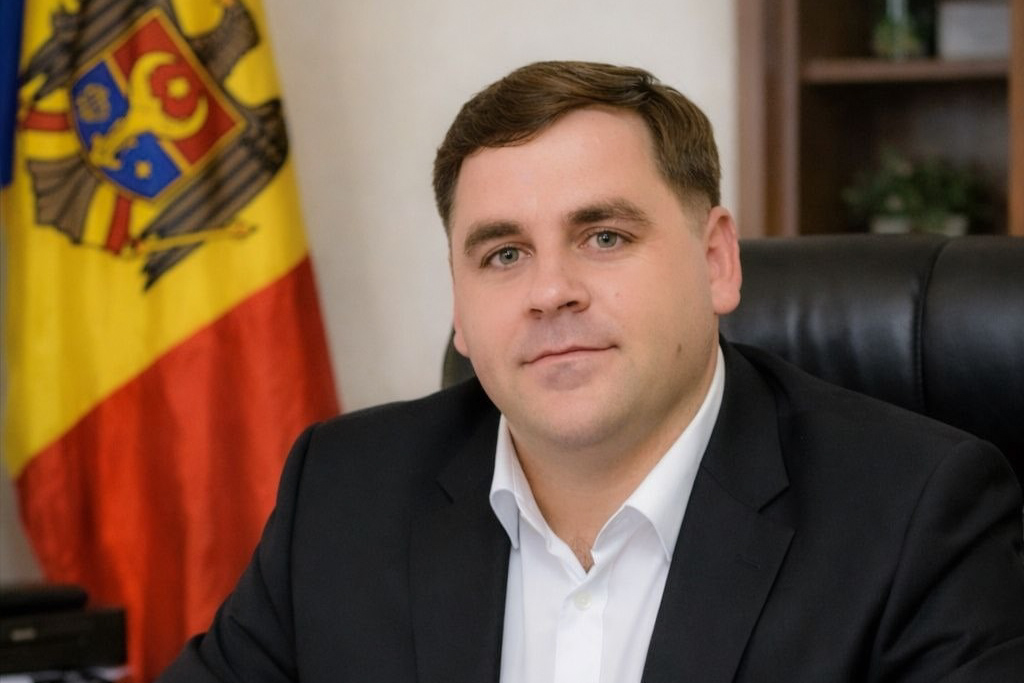
Although the locality of Vasilcau in the Soroca district is not yet connected to the Bălți-Soroca aqueduct, the effects of the ecological crisis on the Nistru river are directly felt by the farmers, who depend on the river water for irrigation. The announcement was made by the mayor of the locality, Tudor Golub, during the public debate: “Is the ecological situation of the Nistru river worsening or stabilizing?”, organized by the IPN Press Agency.
The mayor explained that, although the village does not directly depend on the water from the centralized system, the inhabitants are affected by the agricultural activities they carry out.
“In our locality, the situation is good because we are not connected to the Balti-Soroca mainline. Currently, the connection works to the water supply network are barely taking place. But the situation created has also affected us because many residents of Vasilcau have greenhouses, are engaged in agriculture, and pump water from the Nistru river,” said Mayor Tudor Golub.
“We were lucky that this ecological disaster occurred during a period when the agricultural season had not yet begun. Many have not yet started their agricultural work and do not yet need water. If this incident had occurred during the summer season, when everyone is pumping water from the Nistru, it would have been a very big problem,” the mayor further said.
The mayor clarified that the authorities have imposed clear restrictions, prohibiting the use of contaminated water. “During the environmental alert period, we were instructed not to pump water from the Dniester,” concluded Tudor Golub.
This journalistic material was prepared by the IPN Press Agency, within the Small Grants Program for the media “Community journalism for a healthy environment and green justice”, carried out within the project “Green justice for a protected environment and sustainable communities in the Republic of Moldova”, implemented by the EcoContact AO, with the support of Sweden. The content of this journalistic material is the sole responsibility of the authors and does not necessarily reflect the views of EcoContact or the donor.
