




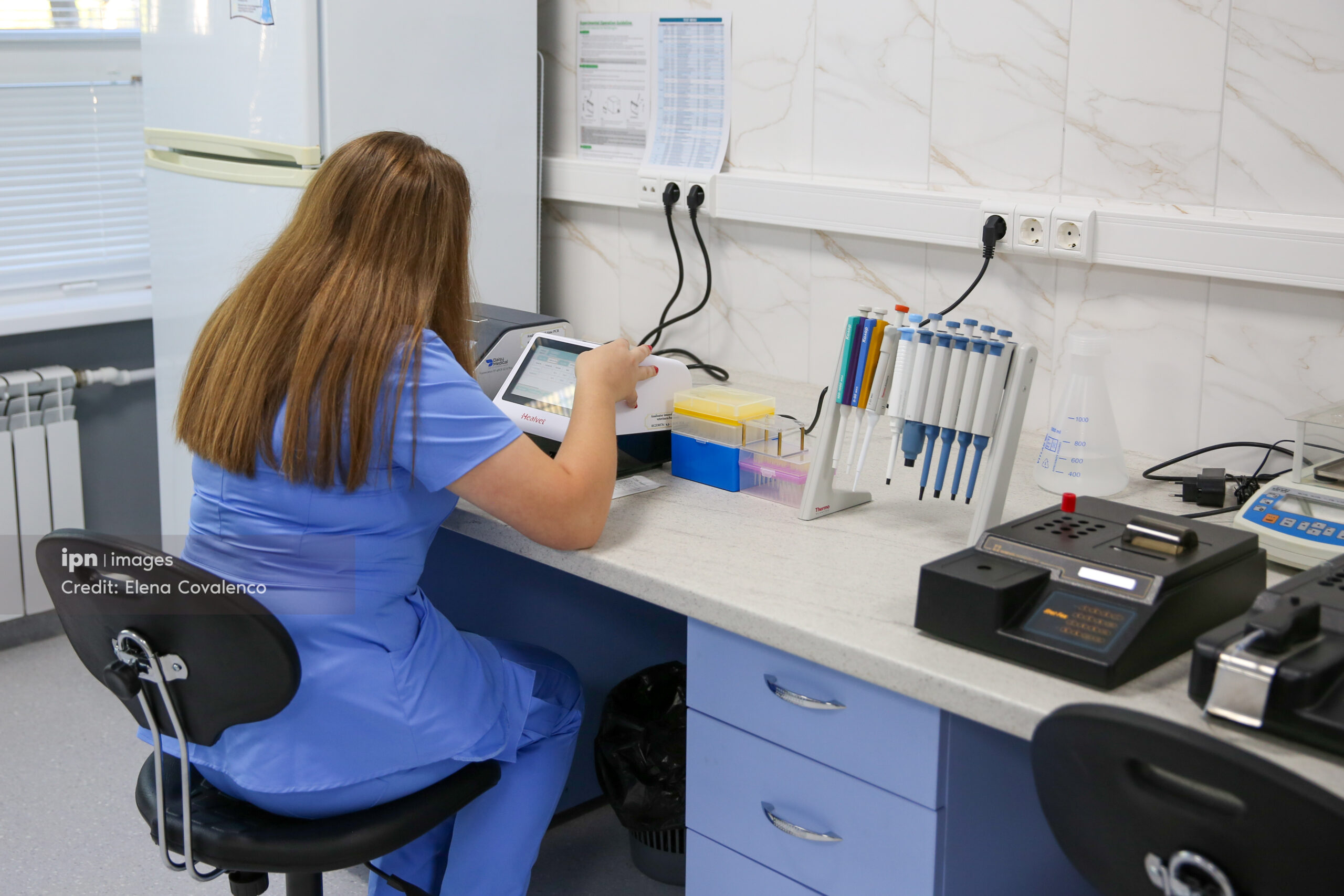
The Republic of Moldova needs to achieve a higher level of compliance with the European Union’s technical requirements to increase its access and trade in the European market. Following the signing of the Deep and Comprehensive Free Trade Agreement (DCFTA), over 200,000 euros were invested in equipment for the National Center for Animal Health, Plant Protection and Food Safety.
The funds were used to strengthen laboratory testing, detect hazardous substances and ensure biosecurity, according to a statement from the EU Delegation in Chisinau, quoted by IPN.
European partners and competent authorities in the country have implemented a project for the gradual alignment of the Republic of Moldova to EU food standards. In addition to the approved legislative adjustments, seven new testing methods have been accredited in state reference laboratories and the involved staff has benefited from appropriate training.
At the same time, 18 small and medium-sized enterprises have received support for preparing ISO audits, implementing sustainability practices and complying with hygiene standards.
In the country report published in November 2025, the European Commission notes that the Republic of Moldova is at a “moderate level of preparedness” in the field of food safety, animal health, and residue surveillance. The competent authorities are strengthening their capacities, inspectors are systematically trained, and control systems are gradually becoming comparable to those in EU member states.
