
Commemoration of the Holocaust in Chisinau: six million victims and lessons for the future

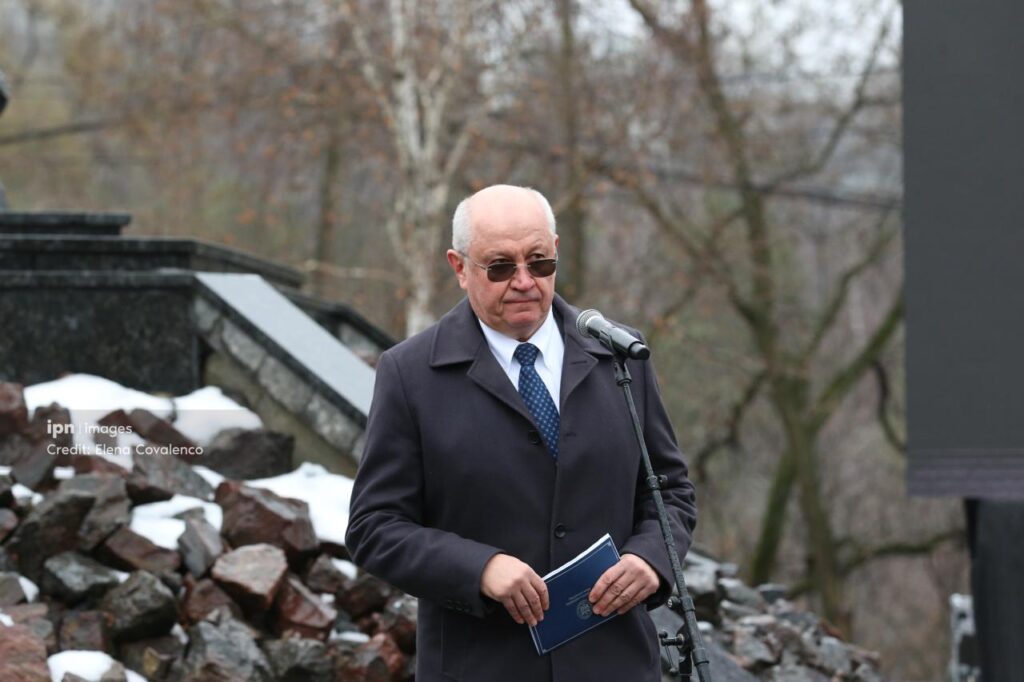
The commemoration of the Holocaust is an act of consciousness that involves assuming the truth about the past and acknowledging the suffering of those silenced. Studying the crimes of the Holocaust is essential for understanding the devastating consequences of discrimination and violation of human dignity. The statements were made by the country’s leadership during a memorial rally, organized in Chisinau on the occasion of the International Day of Commemoration in Memory of the Victims of the Holocaust, reports IPN.

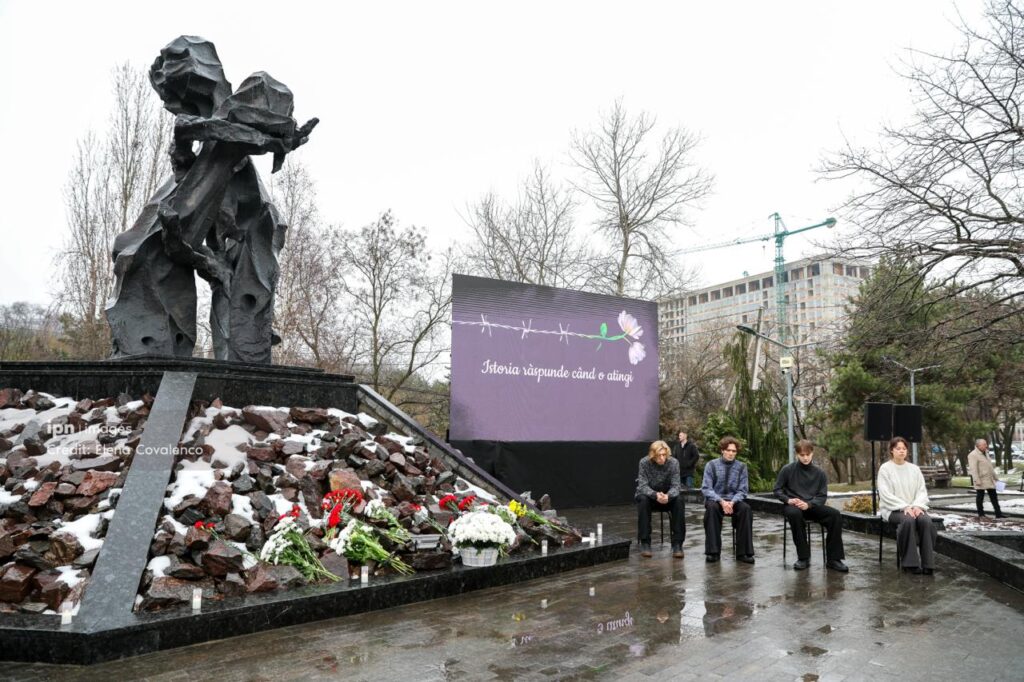
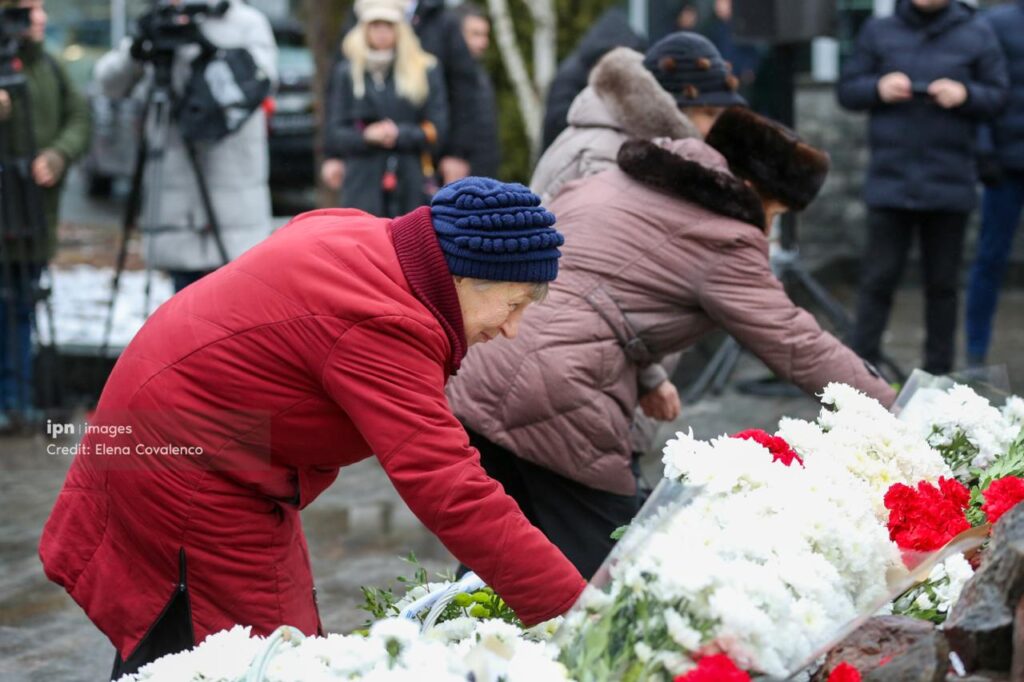
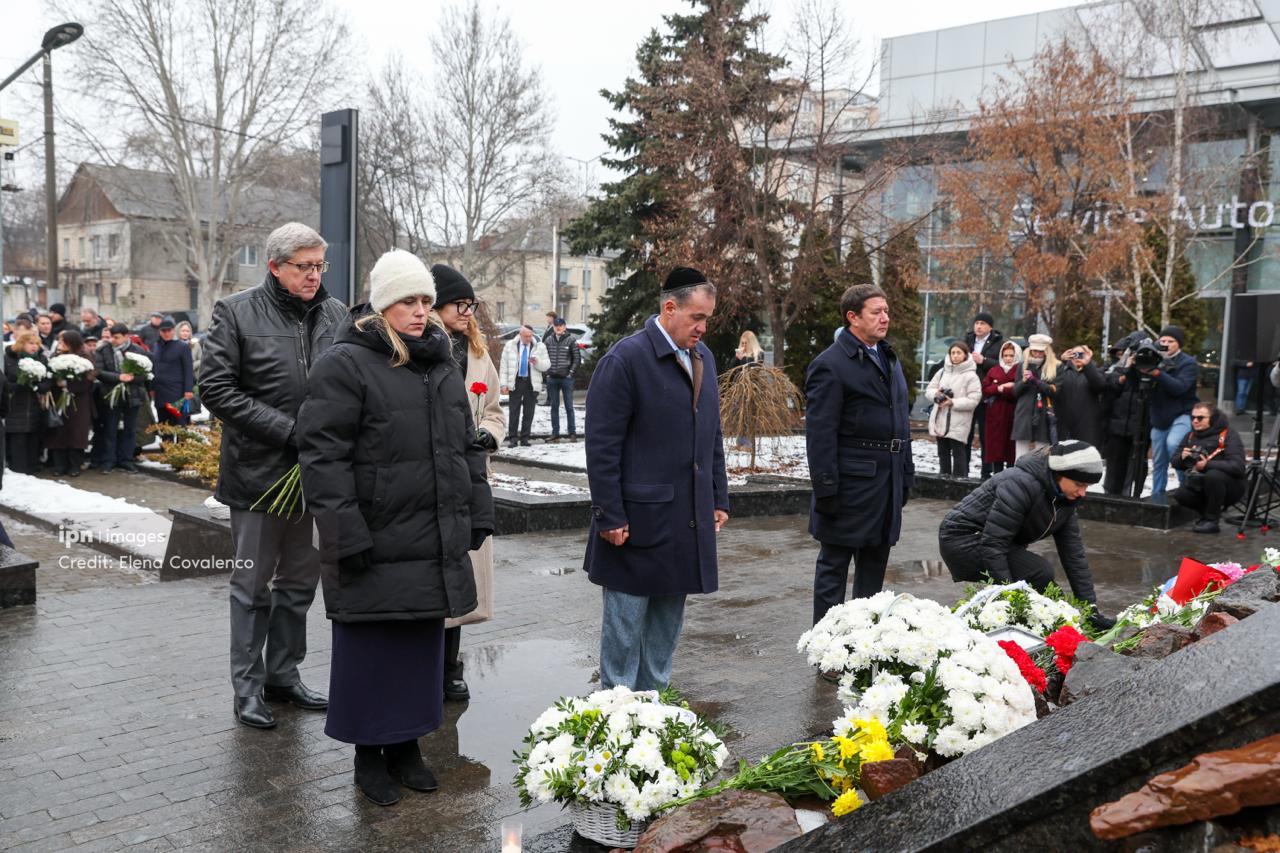
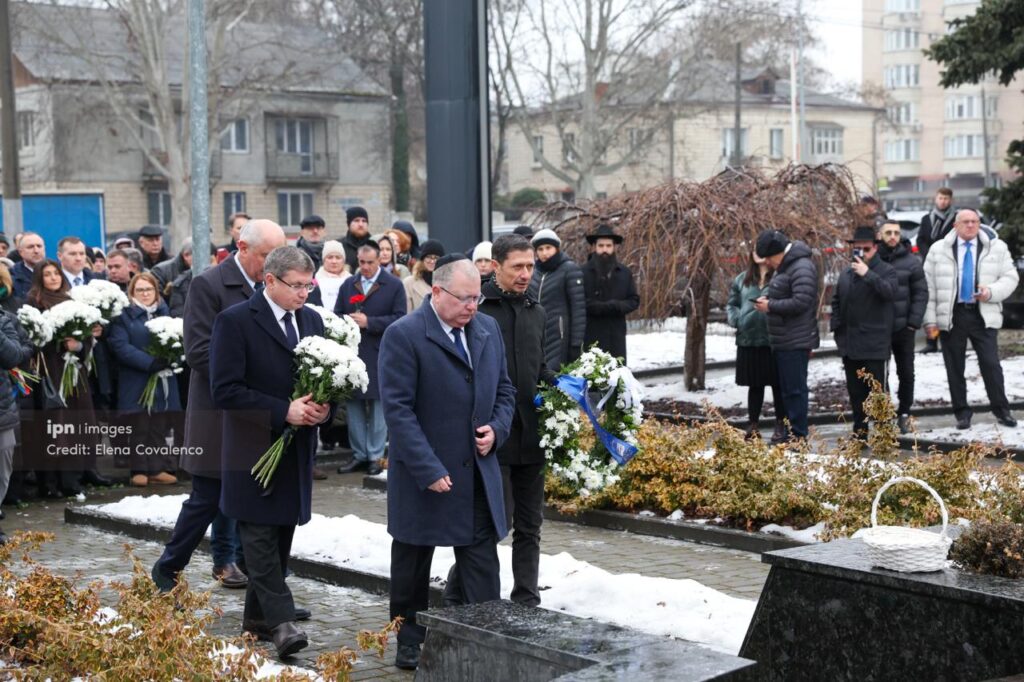
The event, organized at the Monument to the Victims of Fascism in Chisinau, began with a moment of silence in memory of the Holocaust victims from around the world.
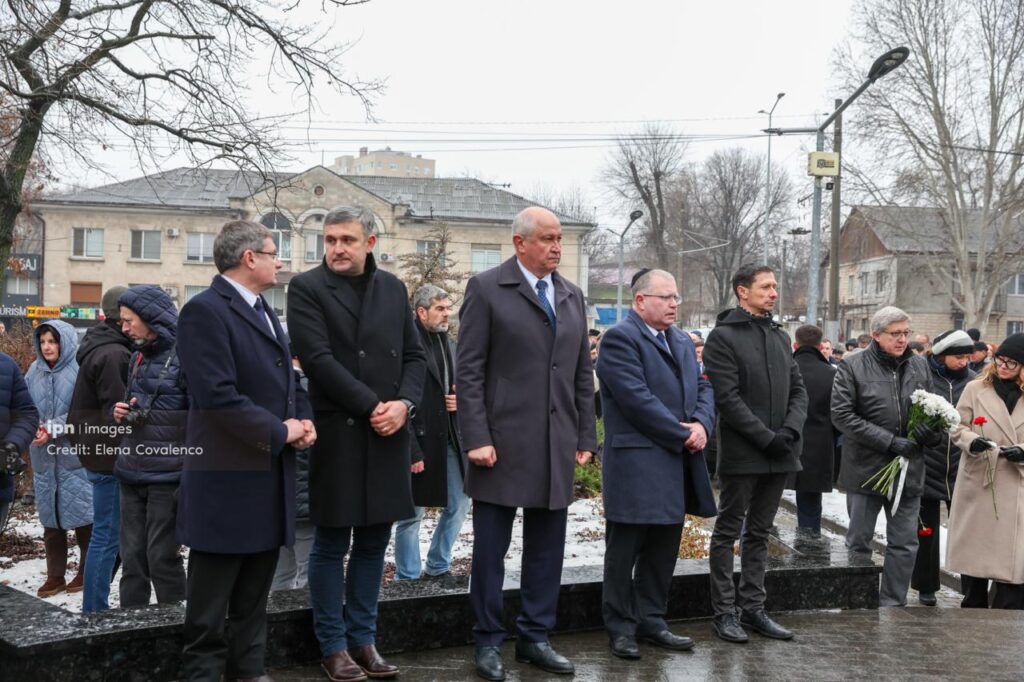
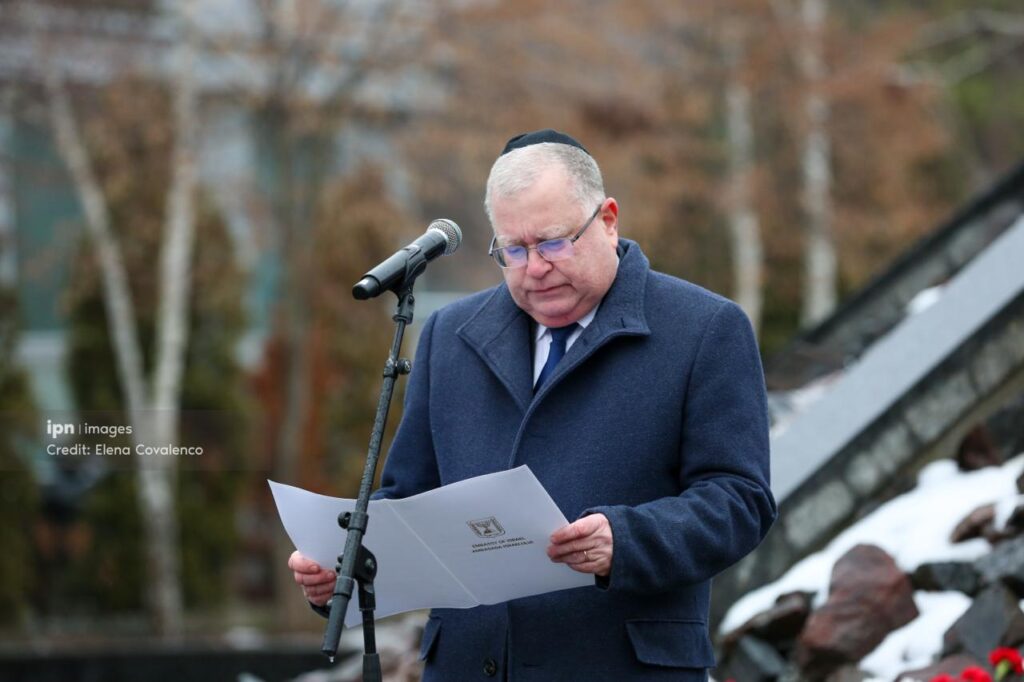
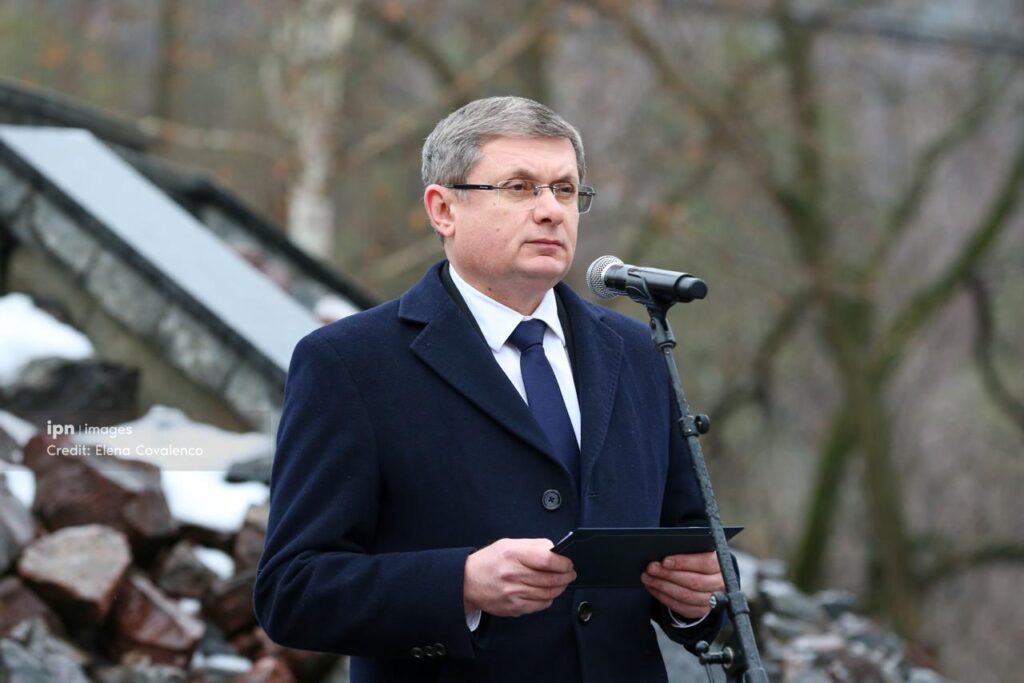
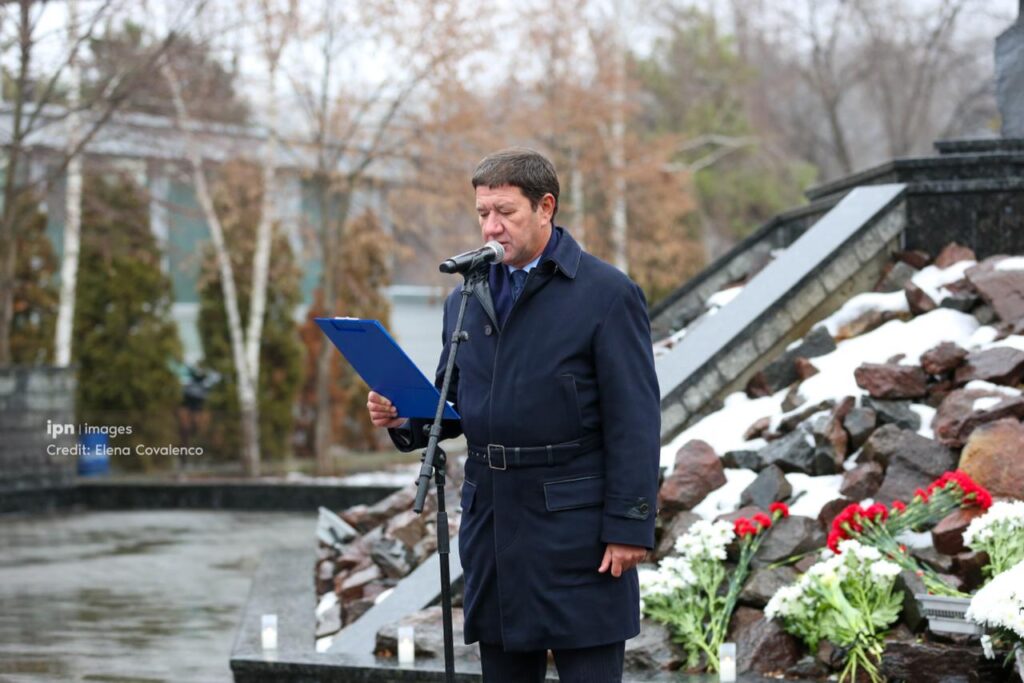
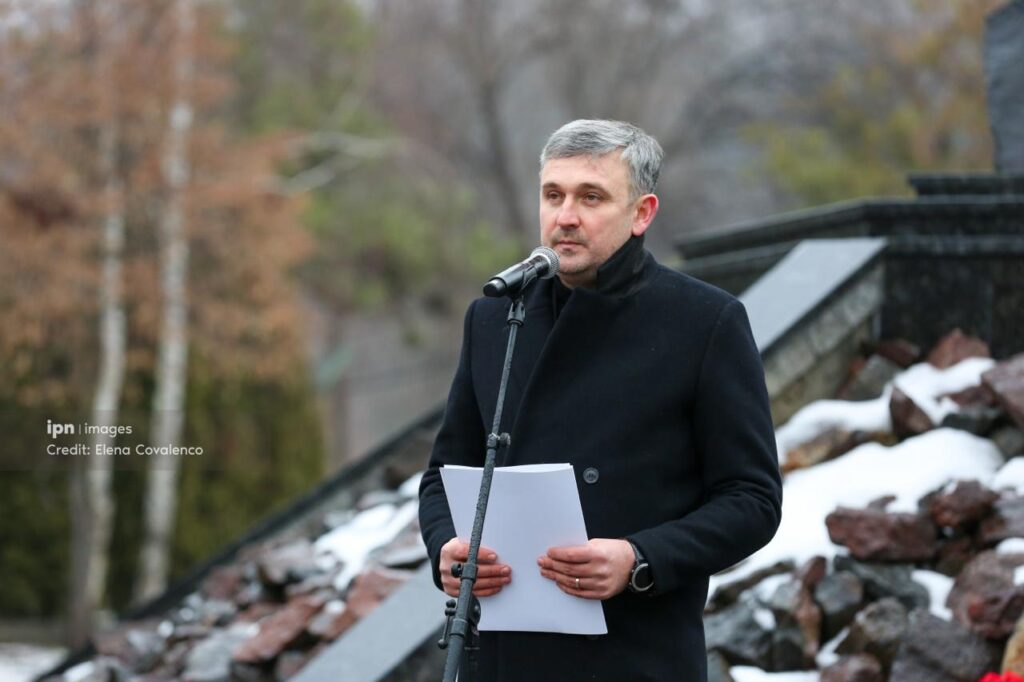
The President of the Parliament, Igor Grosu, stated that the Holocaust is not just a tragedy of the past, but a deep wound that has marked world history. “We have gathered to keep alive the memory of the 6 million Jews and Roma persecuted, deported, mistreated and killed simply for being who they were. We are not talking about a number, but about six million people — children, mothers, fathers, grandparents — each with a name, a story, a dream, and a future cut short,” the official emphasized.

In turn, Prime Minister Alexandru Munteanu emphasized that the Holocaust is a page of history that shows the serious consequences of tolerated hatred and collective silence. “We are here not only to remember, but also to learn and take responsibility. One of the greatest responsibilities we have is to learn from history and protect human dignity,” the Prime Minister declared.
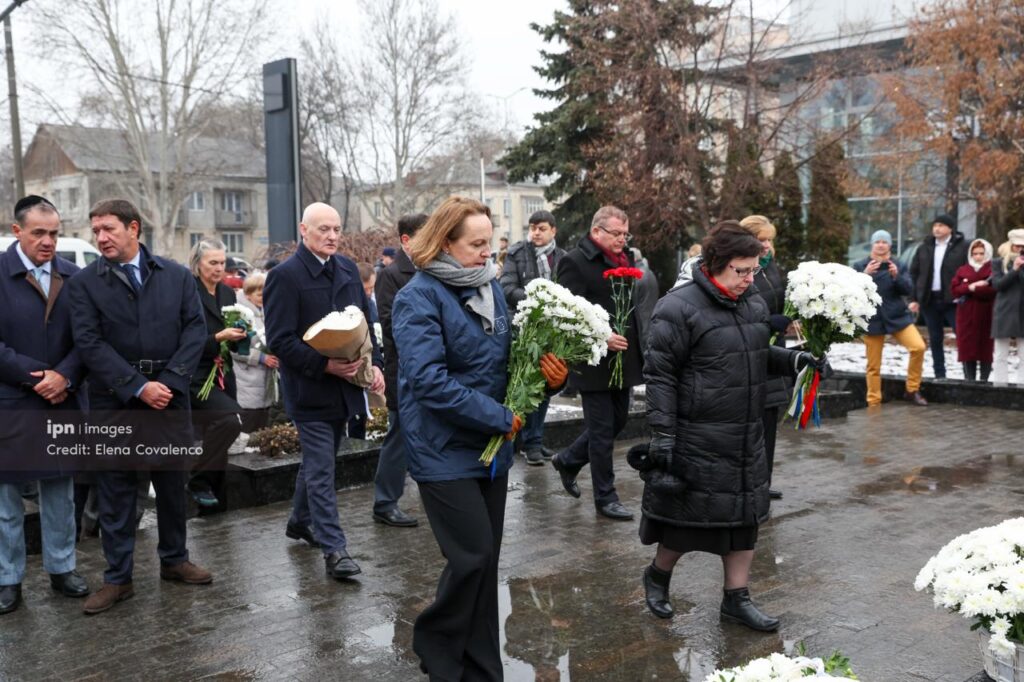
The Minister of Culture, Cristian Jardan, stated, citing researchers’ estimates, that between 220 thousand and over 300 thousand Jews, as well as thousands of Roma people, were exterminated on the current territory of the Republic of Moldova and on the left bank of the Dniester. “The space in which we live, where for decades Jews, Roma, and other communities coexisted in peace and prosperity, then turned into a hell. There is no justification and no excuse for what happened,” declared the minister.

The President of the Jewish Community of Moldova, Alexander Bilinkis, pointed out that in 2026 it will be 85 years since the beginning of the Holocaust on the territory of the Republic of Moldova, qualifying that period as one of the most tragic in the country’s history. “We are here because memory is a responsibility towards our past and towards our common future,” Alexander Bilinkis noted.
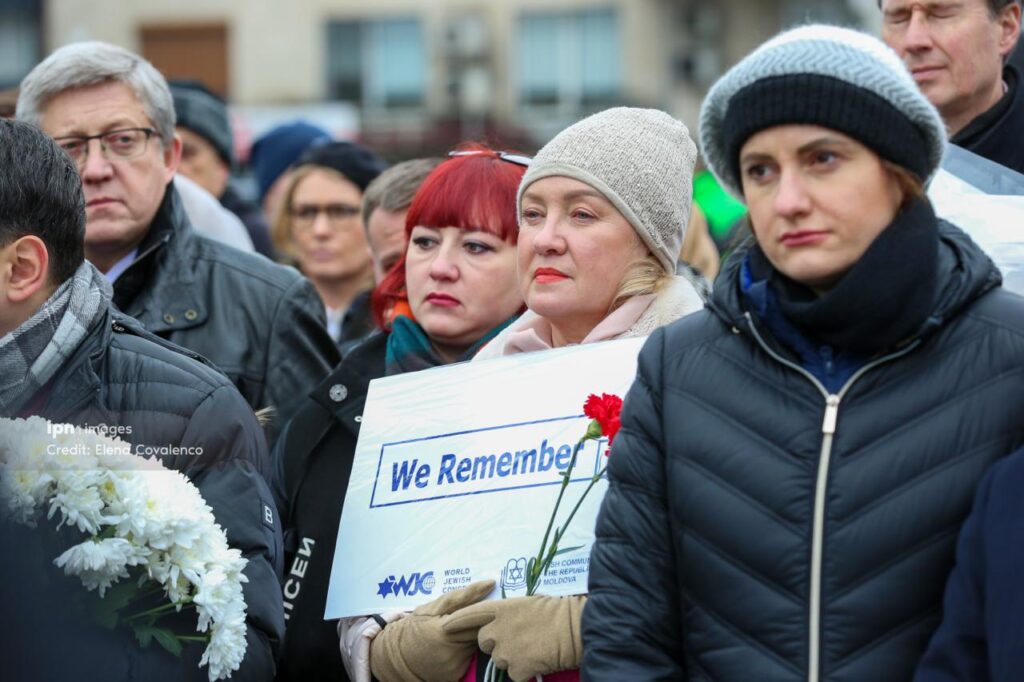
In the context of commemorating the victims of the Holocaust, until February 11, educational and cultural events are being organized throughout the country, including exhibitions, performances, public lectures, and commemoration rallies.
The exhibition “Urban Archaeology and the Hidden Memory of Chisinau” continues /National Museum of History of Moldova /July 17-November 30/.

The contemporary art exhibition-competition continues: The Municipal Salon within the “Te salut, Chisinau!” Festival, 6th edition, dedicated to the 590th anniversary of the city /Constantin Brâncuși Exhibition Center /July 8-26/.

The documentary exhibition “Echo from the past, for present and future” continues, dedicated to the memory of the victims of Stalinist deportations and one of the most tragic episodes in the history of Bessarabia /BNRM /July 3-August 3/.

The exhibition “The Thread of Identity! The traditional Romanian costume in book illustrations made by plastic artists from the Republic of Moldova” continues /BNRM /June 25-August 15/.

The graphic exhibition by Lica Sainciuc continues, opened as part of the Creative Industries Festival /Lutnita Gallery /June 5 – July 31/.

0 FacebookTwitterPinterestEmail


Commemoration of the Holocaust in Chisinau: six million victims and lessons for the future

The commemoration of the Holocaust is an act of consciousness that involves assuming the truth about the past and acknowledging the suffering of those silenced. Studying the crimes of the Holocaust is essential for understanding the devastating consequences of discrimination and violation of human dignity. The statements were made by the country’s leadership during a memorial rally, organized in Chisinau on the occasion of the International Day of Commemoration in Memory of the Victims of the Holocaust, reports IPN.

The event, organized at the Monument to the Victims of Fascism in Chisinau, began with a moment of silence in memory of the Holocaust victims from around the world.

The President of the Parliament, Igor Grosu, stated that the Holocaust is not just a tragedy of the past, but a deep wound that has marked world history. “We have gathered to keep alive the memory of the 6 million Jews and Roma persecuted, deported, mistreated and killed simply for being who they were. We are not talking about a number, but about six million people — children, mothers, fathers, grandparents — each with a name, a story, a dream, and a future cut short,” the official emphasized.

In turn, Prime Minister Alexandru Munteanu emphasized that the Holocaust is a page of history that shows the serious consequences of tolerated hatred and collective silence. “We are here not only to remember, but also to learn and take responsibility. One of the greatest responsibilities we have is to learn from history and protect human dignity,” the Prime Minister declared.

The Minister of Culture, Cristian Jardan, stated, citing researchers’ estimates, that between 220 thousand and over 300 thousand Jews, as well as thousands of Roma people, were exterminated on the current territory of the Republic of Moldova and on the left bank of the Dniester. “The space in which we live, where for decades Jews, Roma, and other communities coexisted in peace and prosperity, then turned into a hell. There is no justification and no excuse for what happened,” declared the minister.

The President of the Jewish Community of Moldova, Alexander Bilinkis, pointed out that in 2026 it will be 85 years since the beginning of the Holocaust on the territory of the Republic of Moldova, qualifying that period as one of the most tragic in the country’s history. “We are here because memory is a responsibility towards our past and towards our common future,” Alexander Bilinkis noted.

In the context of commemorating the victims of the Holocaust, until February 11, educational and cultural events are being organized throughout the country, including exhibitions, performances, public lectures, and commemoration rallies.

Users from several countries reported connection issues with Facebook on Sunday. The number of reports rapidly increased during the morning, suggesting a possible widespread malfunction, according to the Downdetector platform, quoted by IPN.

According to reports in the international press, users are experiencing difficulties with authentication, loading the news feed, and using some features of the social network. It is not yet clear whether other services of the Meta company are also affected.

In Moldova, there are issues with browser connectivity, but access through the application is possible. Until this time, Meta company has not provided an explanation for the cause of the incident nor a timeline for its resolution. In the absence of an official confirmation, the exact extent of the disruption remains unclear.

The Downdetector platform monitors online service interruptions and centralizes user reports and other data regarding their functionality. A sudden increase in notifications usually indicates the existence of a technical problem.

0 FacebookTwitterPinterestEmail


1 IANUARIE, 2025
1 IANUARIE, 2025