

Civil society must be a partner, not an observer. IPN interview with Séamus Boland

Civil society must be a partner, not an observer, in the process of accession to the European Union, according to Séamus Boland, President of the European Economic and Social Committee (EESC). In an interview with the IPN Agency on the sidelines of the 17th meeting of the EU-Moldova Civil Society Platform, he stated that the success of Moldova’s EU accession depends on the active involvement of the entire society in the negotiation process and highlighted that the country’s voice is already being heard in Brussels through concrete initiatives, advocating for solutions to revitalize rural areas, combat poverty and give young people a decisive role in shaping Europe’s future.
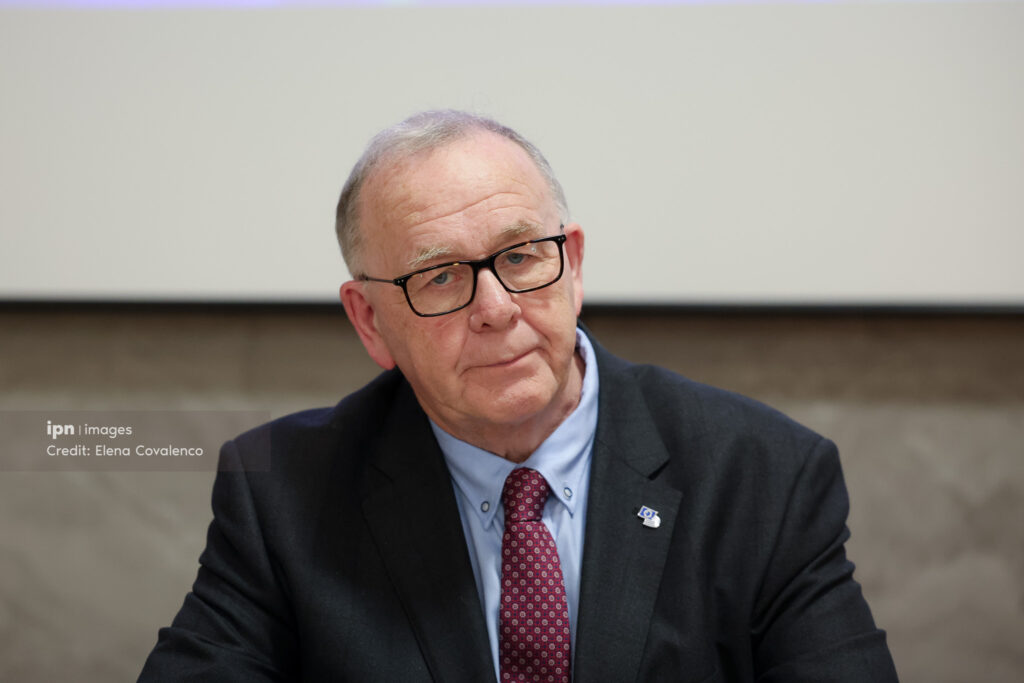
The “Call to Civil Society in the Candidate Countries for the European Union” is a flagship initiative of the European Economic and Social Committee. Mr Boland, from your perspective, how can this framework specifically empower Moldovan non-governmental organizations and social partners to become active participants in the EU accession negotiations?

Accession to the European Union can only succeed if it is a joint project and a responsibility of the entire society, which everyone takes on. I strongly felt this here, during very positive meetings within the government, including with your president and prime minister, as well as with members of civil society. This is why, as president of the EU body representing civil society, I strongly advocate for a significant and inclusive involvement of businesses, trade unions and civil society in general in the accession processes.

Civil society must be a partner, not an observer. The opening of the 17th EU-Moldova Civil Society Platform is an excellent example of this activity in action. Your civil society is vibrant, possesses the necessary expertise and must be fully utilized.

Trade unions and employers’ associations in the Republic of Moldova want more direct collaboration with Brussels. What concrete steps should be taken to establish structured and long-term collaboration with the EESC’s External Relations Section?

Firstly, I would like to acknowledge the hard work already put in by the unions, employers, and civil society of Moldova working in partnership with the EESC. We started this activity a decade ago, when Moldova signed the Association Agreement with the EU and subsequently established the civil society platform. This platform brings together employers, workers’ unions and civil society. Moreover, our initiative on “Candidate Members for Expansion” was a historic step to concretely involve civil society members from candidate countries, including Moldova, in our work in Brussels. This helps build trust, visibility and practical knowledge about the EU’s consultative process of involving civil society. We therefore have solid foundations on which to build and I am determined to continue this journey alongside the civil society of Moldova.
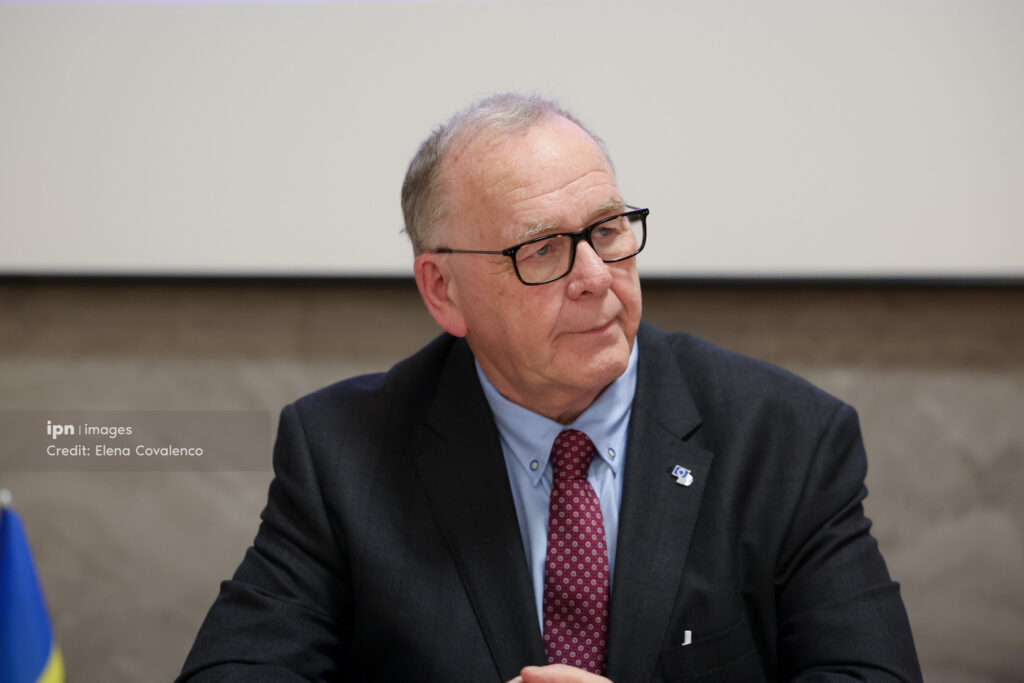
Mr. Boland, as a lifelong supporter of rural communities and CEO of Irish Rural Link, you understand the challenges of agrarian societies. What models of rural revitalization from your experience could be most effectively adapted to bridge the economic gap in Moldova’s isolated communities?

While it is true that I have extensive experience in advocacy for rural communities in Ireland, I would not claim to be an expert in this space in the context of rural Moldova. Thus, my main message is that we need to involve representatives of rural communities in Moldova in the decision-making processes that affect them. This will lead to better decisions and more effective policies. That being said, some good practices regarding rural regeneration that apply throughout the European Union include: firstly, community-led local development, which means empowering local action groups to design solutions adapted to their areas.

Secondly, investments in road infrastructure or digital and health services, education, and childcare. This is essential to make rural communities viable places to live and work. Thirdly, diversifying rural economies beyond agriculture is essential for creating local jobs that retain value within communities. This could include small-scale agri-food processing, social enterprises, rural tourism or renewable energy projects.

The European Union’s Rural Pact aims to leave no region behind. How can development policies in candidate countries such as the Republic of Moldova be aligned with this pact to ensure a fair and green transition for rural areas?

Development policies in candidate countries such as the Republic of Moldova can align well with the European Union’s Rural Pact if we consider a simple idea: people from rural areas must shape rural solutions. From my experience, the first step is involving local communities, farmers, small businesses and civil society from the very beginning, not at the end. Policies work better when they are built from the bottom up and reflect real local needs.

Secondly, rural development must link green objectives with livelihoods. Supporting sustainable agriculture, local food chains, renewable energy and social enterprises can create jobs while protecting the environment at the same time. A fair green transition only works if it brings new opportunities, not additional burdens. Thirdly, candidate countries should use EU funds and accession tools to improve basic services and connectivity in rural areas. Access to transport, digital networks and essential services keeps communities alive and, we hope, thriving.
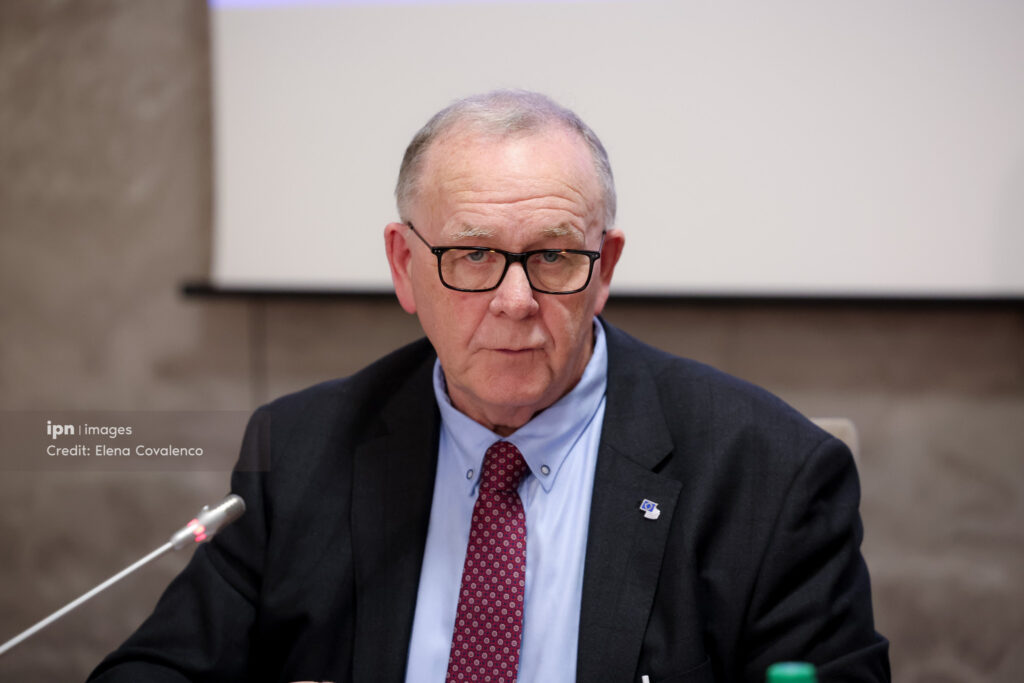
Eradicating poverty is one of the three pillars of your presidency. What strategies do you recommend for protecting the most vulnerable groups in Moldova – including ethnic minorities and people with disabilities – during the complex economic exchanges of the enlargement process?

Over 20% of the EU population lives in danger of poverty or social exclusion, reaching 25% in the case of children. I understand that the figures in Moldova are just as alarming. But poverty is more than just statistics – it affects people’s dignity and social cohesion. Also, it is more likely to affect children, women and people in vulnerable situations, such as the unemployed or those working in insecure jobs, low-skilled individuals, people with disabilities, migrants and ethnic minorities.

So, what can be done? The EU will soon adopt its first Anti-Poverty Strategy, which I believe could also be applied in Moldova. We need a multidimensional approach that addresses all aspects of poverty, not just material shortages. We need mandatory standards for adequate income and social protection, as well as measures to combat the poverty of those in employment. Universal access to affordable and quality services, such as healthcare, social assistance, housing and education, is also crucial. The European Child Guarantee, which was launched in Moldova last year, plays a crucial role here. Ultimately, recognizing the role of social partners and civil society organizations in combating poverty is a necessity. This means sustainable funding and supporting social dialogue.
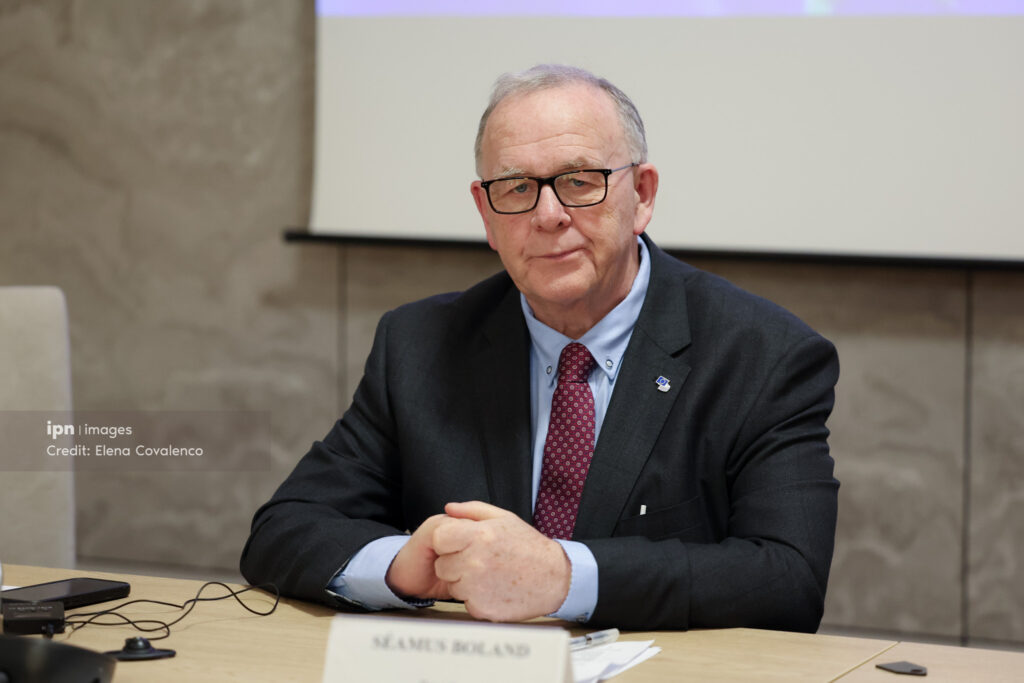
In the context of Moldova’s European journey, where youth social participation is vital, how can Moldovan youth take advantage of programs like “Your Europe, Your Say!” to ensure that their voices are heard in the corridors of power in Brussels?

One of my major priorities is the significant participation of young people from all over Europe, including candidate countries. It is absolutely essential to win and maintain the confidence of European youth if we want to provide sustainable solutions for the next 20-30 years. This means not only listening to young people, but actively involving them in shaping policies. The EESC has several initiatives to strengthen youth participation, which I am very pleased to see include the participation and representation of the National Youth Council of Moldova. These include our Youth Group and the EU Youth Test, which directly involve young people in the legislative and political feedback we provide to the EU through our opinions.

Another key initiative is “Your Europe, Your Say!”, our annual flagship event for youth, which brings together young people from EU member states and candidate countries to develop ideas and proposals for the future of Europe, which we share with EU institutions. I was truly inspired by the commitment and involvement of young people at this event last month. Unsurprisingly, issues such as housing, artificial intelligence, media literacy, mental health and climate change were at the top of their concerns.

Maxim Bolohan, IPN


The exhibition “Urban Archaeology and the Hidden Memory of Chisinau” continues /National Museum of History of Moldova /July 17-November 30/.

The contemporary art exhibition-competition continues: The municipal salon within the “Te salut, Chisinau!” Festival, the VI edition, dedicated to the 590th anniversary of the city /Constantin Brancusi Exhibition Center /July 8-26/.

The documentary exhibition “Echo from the past, for present and future” continues, dedicated to the memory of the victims of Stalinist deportations and one of the most tragic episodes in the history of Bessarabia /BNRM /July 3-August 3/.

The exhibition “The Thread of Identity! The traditional Romanian costume in book illustration made by plastic artists from the Republic of Moldova” continues /BNRM /June 25-August 15/.

The graphic exhibition by Lica Sainciuc continues, opened as part of the Creative Industries Festival /Lutnita Gallery /June 5 – July 31/.

0 FacebookTwitterPinterestEmail


Civil society must be a partner, not an observer. IPN interview with Séamus Boland

Civil society must be a partner, not an observer, in the process of accession to the European Union, according to Séamus Boland, President of the European Economic and Social Committee (EESC). In an interview with the IPN Agency on the sidelines of the 17th meeting of the EU-Moldova Civil Society Platform, he stated that the success of Moldova’s EU accession depends on the active involvement of the entire society in the negotiation process and highlighted that the country’s voice is already being heard in Brussels through concrete initiatives, advocating for solutions to revitalize rural areas, combat poverty and give young people a decisive role in shaping Europe’s future.

The “Call to Civil Society in the Candidate Countries for the European Union” is a flagship initiative of the European Economic and Social Committee. Mr Boland, from your perspective, how can this framework specifically empower Moldovan non-governmental organizations and social partners to become active participants in the EU accession negotiations?

Accession to the European Union can only succeed if it is a joint project and a responsibility of the entire society, which everyone takes on. I strongly felt this here, during very positive meetings within the government, including with your president and prime minister, as well as with members of civil society. This is why, as president of the EU body representing civil society, I strongly advocate for a significant and inclusive involvement of businesses, trade unions and civil society in general in the accession processes.

Civil society must be a partner, not an observer. The opening of the 17th EU-Moldova Civil Society Platform is an excellent example of this activity in action. Your civil society is vibrant, possesses the necessary expertise and must be fully utilized.

Trade unions and employers’ associations in the Republic of Moldova want more direct collaboration with Brussels. What concrete steps should be taken to establish structured and long-term collaboration with the EESC’s External Relations Section?

Firstly, I would like to acknowledge the hard work already put in by the unions, employers, and civil society of Moldova working in partnership with the EESC. We started this activity a decade ago, when Moldova signed the Association Agreement with the EU and subsequently established the civil society platform. This platform brings together employers, workers’ unions and civil society. Moreover, our initiative on “Candidate Members for Expansion” was a historic step to concretely involve civil society members from candidate countries, including Moldova, in our work in Brussels. This helps build trust, visibility and practical knowledge about the EU’s consultative process of involving civil society. We therefore have solid foundations on which to build and I am determined to continue this journey alongside the civil society of Moldova.

Mr. Boland, as a lifelong supporter of rural communities and CEO of Irish Rural Link, you understand the challenges of agrarian societies. What models of rural revitalization from your experience could be most effectively adapted to bridge the economic gap in Moldova’s isolated communities?

While it is true that I have extensive experience in advocacy for rural communities in Ireland, I would not claim to be an expert in this space in the context of rural Moldova. Thus, my main message is that we need to involve representatives of rural communities in Moldova in the decision-making processes that affect them. This will lead to better decisions and more effective policies. That being said, some good practices regarding rural regeneration that apply throughout the European Union include: firstly, community-led local development, which means empowering local action groups to design solutions adapted to their areas.

Secondly, investments in road infrastructure or digital and health services, education, and childcare. This is essential to make rural communities viable places to live and work. Thirdly, diversifying rural economies beyond agriculture is essential for creating local jobs that retain value within communities. This could include small-scale agri-food processing, social enterprises, rural tourism or renewable energy projects.

The European Union’s Rural Pact aims to leave no region behind. How can development policies in candidate countries such as the Republic of Moldova be aligned with this pact to ensure a fair and green transition for rural areas?

Development policies in candidate countries such as the Republic of Moldova can align well with the European Union’s Rural Pact if we consider a simple idea: people from rural areas must shape rural solutions. From my experience, the first step is involving local communities, farmers, small businesses and civil society from the very beginning, not at the end. Policies work better when they are built from the bottom up and reflect real local needs.

Secondly, rural development must link green objectives with livelihoods. Supporting sustainable agriculture, local food chains, renewable energy and social enterprises can create jobs while protecting the environment at the same time. A fair green transition only works if it brings new opportunities, not additional burdens. Thirdly, candidate countries should use EU funds and accession tools to improve basic services and connectivity in rural areas. Access to transport, digital networks and essential services keeps communities alive and, we hope, thriving.

Eradicating poverty is one of the three pillars of your presidency. What strategies do you recommend for protecting the most vulnerable groups in Moldova – including ethnic minorities and people with disabilities – during the complex economic exchanges of the enlargement process?

Over 20% of the EU population lives in danger of poverty or social exclusion, reaching 25% in the case of children. I understand that the figures in Moldova are just as alarming. But poverty is more than just statistics – it affects people’s dignity and social cohesion. Also, it is more likely to affect children, women and people in vulnerable situations, such as the unemployed or those working in insecure jobs, low-skilled individuals, people with disabilities, migrants and ethnic minorities.

So, what can be done? The EU will soon adopt its first Anti-Poverty Strategy, which I believe could also be applied in Moldova. We need a multidimensional approach that addresses all aspects of poverty, not just material shortages. We need mandatory standards for adequate income and social protection, as well as measures to combat the poverty of those in employment. Universal access to affordable and quality services, such as healthcare, social assistance, housing and education, is also crucial. The European Child Guarantee, which was launched in Moldova last year, plays a crucial role here. Ultimately, recognizing the role of social partners and civil society organizations in combating poverty is a necessity. This means sustainable funding and supporting social dialogue.

In the context of Moldova’s European journey, where youth social participation is vital, how can Moldovan youth take advantage of programs like “Your Europe, Your Say!” to ensure that their voices are heard in the corridors of power in Brussels?

One of my major priorities is the significant participation of young people from all over Europe, including candidate countries. It is absolutely essential to win and maintain the confidence of European youth if we want to provide sustainable solutions for the next 20-30 years. This means not only listening to young people, but actively involving them in shaping policies. The EESC has several initiatives to strengthen youth participation, which I am very pleased to see include the participation and representation of the National Youth Council of Moldova. These include our Youth Group and the EU Youth Test, which directly involve young people in the legislative and political feedback we provide to the EU through our opinions.

Another key initiative is “Your Europe, Your Say!”, our annual flagship event for youth, which brings together young people from EU member states and candidate countries to develop ideas and proposals for the future of Europe, which we share with EU institutions. I was truly inspired by the commitment and involvement of young people at this event last month. Unsurprisingly, issues such as housing, artificial intelligence, media literacy, mental health and climate change were at the top of their concerns.

Maxim Bolohan, IPN


The National Anticorruption Center initiated 428 criminal cases in the first six months of the year and sent about half of the investigated files to court. Also, the Agency for the Recovery of Criminal Assets seized 382 assets worth over 236 million lei, reports IPN.

According to the data in the activity report presented at the meeting of the CNA College, during this period, another 447 corruption offenses were documented, and 500 people were recognized as suspects.

On the asset recovery component from offenses, the courts have confirmed previous seizures on goods worth over 221 million lei. At the same time, ARBI issued 15 freezing orders on assets, with a total value of over 22.7 million lei.

The CNA has also reported on activities carried out in the field of corruption prevention. In the first six months of the year, the institution examined 616 regulatory projects, of which 538 were subjected to anti-corruption expertise to identify risks that could favor acts of corruption.

0 FacebookTwitterPinterestEmail


1 IANUARIE, 2025
1 IANUARIE, 2025