




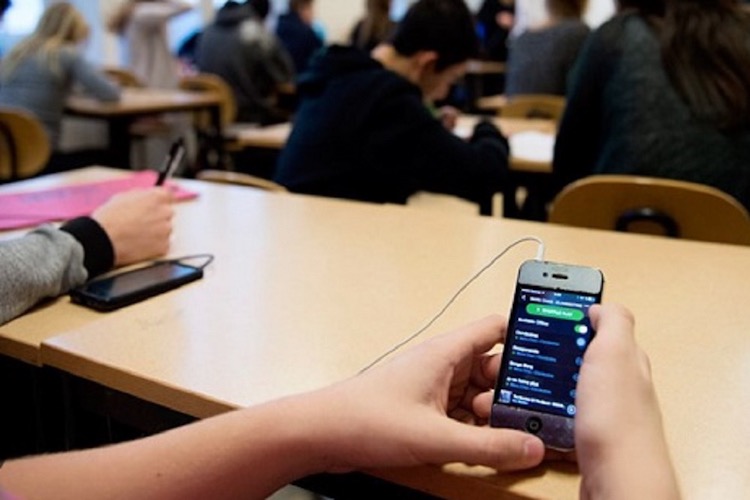
Over 90% of schools have adopted an internal regulation on the use of cell phones. In 99% of schools mobile phones are also used for educational purposes, in a controlled and planned way: for projects, interactive applications or research, according to a national survey conducted by the Ministry of Education and Research in 1150 educational institutions, IPN reports.
According to Valentina Olaru, Secretary of State at MEC, in most cases, parents, teachers and school management have contributed to the development of the rules for the use of cell phones in school.
The general perception of the schools is positive: almost 90% believe that the regulation has led to a more orderly and less tense climate in classrooms. Pupils are more attentive, teachers can teach without disruption, and the relationship with parents has been clarified thanks to a common framework of rules.
The survey data also shows that 83% of schools report full compliance with the ban on the use of cell phones in class. The breaches are isolated and the measures applied, ranging from verbal warnings to dialogues with families, have been preventive and educational.
According to the MEC, 61% of institutions reported no incidents. Where there were problems, they were handled without drastic measures, but with support, explanations and accountability.
One challenge reported by several institutions is the lack of storage space. Around 20% of schools have not yet identified adequate solutions for collecting and keeping phones safe during lessons.
The conditions for using cell phones in schools are specified in a framework regulation approved by the Ministry of Education and Research. Starting with the second semester of the 2024-2025 school year, students may not use their phones during classes, except when they need them for educational purposes, in emergency situations such as health conditions, and in case of the need to monitor the health of students with disabilities.
