

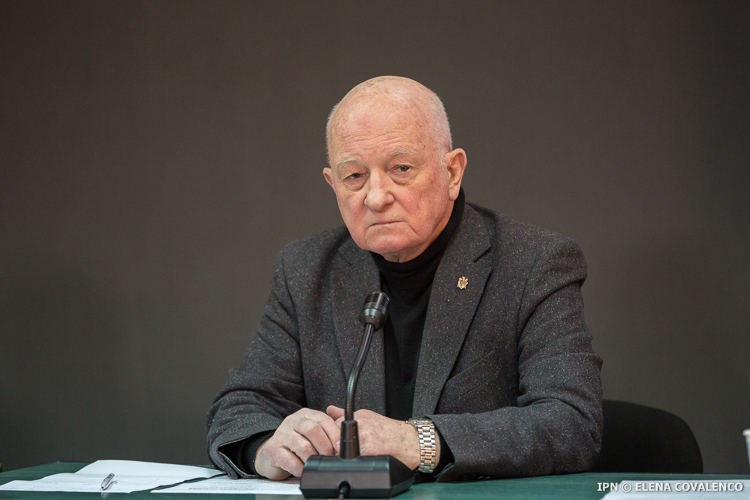
Oazu Nantoi: If Ukrainian army does not resist, Russian tanks will stop near the Prut

If the Ukrainian army does not resist, the Russian tanks will stop close to the Prut River, MP of the Party of Action and Solidarity Oazu Nantoi stated in a debate staged by IPN. According to him, the frozen conflict on the left side of the Nistru is an additional problem for the Moldovan authorities given the Transnistrian separatist regime’s servility to Moscow.

“If the Ukrainian army does not resist, the Russian tanks will stop near the Prut. The so-called Transnistria, the regime from the left side of the Nistru, on the one hand ensures control over the population by authoritarian ways and, on the other hand is an instrument of the international network of organized crime that deals primarily with smuggling and obeys the geopolitical interests of the Russian Federation,” stated the MP.

He noted that if Ukraine had succumbed at the initial phases of the war, the danger would have been imminent: when the Russians occupied Snake Island, when Russia destroyed the bridge in Zatoka with rockets on April 26-27 as these were signs that Moscow intended to pave its way to south Bessarabia, through Gagauzia. The Russian army had yet to leave the Snake Island and Kherson. As long as the Ukrainian front resists, Moldova does not have reasons for alarm.

According to the PAS MP, Moldova’s position on the Transnistrian issue is correct and this helped avoid the escalation of the situation. “Despite the multiple challenges, we said that the settlement of the Transnistrian conflict does not necessitate the use of violence and we want peace. I want to note that as long as the Ukrainian army resists and Odessa is not attacked massively, the troops from the left side of the Nistru do not represent a danger to the right side and to Ukraine,” stated Oazu Nantoi.

He noted that Ukraine’s position on the Transnistrian region has changed radically the last few years and this led to the weakening of the Russians forces in Transnistria.

“In 1992, Ukraine and Russia signed a technical and military cooperation agreement. Based on that agreement, Russia could freely cross Ukraine to ensure the rotation of the military on the left side of the Nistru and supply those units of the occupation troops. In 2015, Ukraine terminated that agreement. Currently, over 70% of the members of the Operational Group of Russian Forces from the left side of the Nistru are natives of Transnistria and have Russian nationality. They enrolled in order to solve social problems, not to fight for Putin. The moral state in these units is very negative. After February 24, there were cases when the people terminated the contracts and fled to the right side following fake news about a possible mobilization disseminated on the left side. After February 24, the number of persons from the left side of the Nistru who applied for Moldovan nationality has trebled,” stated the MP.

He noted that measures to counteract propaganda cannot be taken overnight and hard work is needed to democratize society and to increase the analytical spirit and critical thinking among the people so that they can differentiate between real information and propaganda. Besides the Russian propaganda, Moldova is also affected by Russia’s energy blackmail that cannot be stopped for decades.

“The situation in the Republic of Moldova is extremely difficult, but there are no swift solutions. The same refers to the energy factor. Time is needed to get rid of the energy blackmail of the Russian Federation,” said the MP, noting society should unite around common problems, such as how to keep peace and to deal with the challenges.

Asked about possible solutions to the reintegration of the country and the Transnistrian conflict, Oazu Natoi said that considerable effort is made in this regard, but really viable, long-term solutions are needed.

“We not only think, but also work. How much does the integration of the 140,000 pensioners from the left side of the Nistru cost? According to what principle we pay pensions to them? How to ensure the transition of the educational system? We work in this direction. It is not at all easy. During decades, I have always sensitized public opinion and tried to come up with solutions to the reintegration of the country,” stated the MP.

The public debate entitled “The Republic of Moldova in a year of the outbreak of Russia’s war of aggression against Ukraine: challenges, opportunities, solutions” was the 272nd installment of IPN’s project “Developing Political Culture through Public Debates” that is supported by the Hanns Seidel Foundation.


A new session of the EcoVoucher Program, funded by the European Union, begins on Saturday, July 18 and will run until August 2. During this period, approximately 825 households in the Republic of Moldova will be able to receive vouchers worth 6 thousand lei for the purchase of energy-efficient appliances, reports IPN.

The National Center for Sustainable Energy mentions that vouchers can be used for the purchase of refrigerators and washing machines. The program aims to reduce energy consumption in homes and replace old appliances, which consume more electricity.

In this edition, households where minors, people over 63 years old, or people with severe disabilities live are eligible. The authorities specify that the measure aims to reduce energy costs and improve the living conditions of the beneficiaries.

Since the launch of the program, over 42,500 households have replaced their old appliances with more energy-efficient ones, benefiting from funding of up to 70% of the cost of a new device. According to data presented by CNED, the annual energy savings achieved by beneficiaries exceed 37 million lei, and over 300 tons of used refrigerators and washing machines have been collected for recycling within the program.

The EcoVoucher program is developed by the Government with the support of the EU and is implemented by CNED, within the project “Energy Efficiency and Renewable Energies for Moldova”. The project is implemented by GIZ in collaboration with the Government of the Republic of Moldova and is funded by the German Government, with co-financing from the EU, Norway, and Denmark. The current session is funded by the EU.

0 FacebookTwitterPinterestEmail


Oazu Nantoi: If Ukrainian army does not resist, Russian tanks will stop near the Prut

If the Ukrainian army does not resist, the Russian tanks will stop close to the Prut River, MP of the Party of Action and Solidarity Oazu Nantoi stated in a debate staged by IPN. According to him, the frozen conflict on the left side of the Nistru is an additional problem for the Moldovan authorities given the Transnistrian separatist regime’s servility to Moscow.

“If the Ukrainian army does not resist, the Russian tanks will stop near the Prut. The so-called Transnistria, the regime from the left side of the Nistru, on the one hand ensures control over the population by authoritarian ways and, on the other hand is an instrument of the international network of organized crime that deals primarily with smuggling and obeys the geopolitical interests of the Russian Federation,” stated the MP.

He noted that if Ukraine had succumbed at the initial phases of the war, the danger would have been imminent: when the Russians occupied Snake Island, when Russia destroyed the bridge in Zatoka with rockets on April 26-27 as these were signs that Moscow intended to pave its way to south Bessarabia, through Gagauzia. The Russian army had yet to leave the Snake Island and Kherson. As long as the Ukrainian front resists, Moldova does not have reasons for alarm.

According to the PAS MP, Moldova’s position on the Transnistrian issue is correct and this helped avoid the escalation of the situation. “Despite the multiple challenges, we said that the settlement of the Transnistrian conflict does not necessitate the use of violence and we want peace. I want to note that as long as the Ukrainian army resists and Odessa is not attacked massively, the troops from the left side of the Nistru do not represent a danger to the right side and to Ukraine,” stated Oazu Nantoi.

He noted that Ukraine’s position on the Transnistrian region has changed radically the last few years and this led to the weakening of the Russians forces in Transnistria.

“In 1992, Ukraine and Russia signed a technical and military cooperation agreement. Based on that agreement, Russia could freely cross Ukraine to ensure the rotation of the military on the left side of the Nistru and supply those units of the occupation troops. In 2015, Ukraine terminated that agreement. Currently, over 70% of the members of the Operational Group of Russian Forces from the left side of the Nistru are natives of Transnistria and have Russian nationality. They enrolled in order to solve social problems, not to fight for Putin. The moral state in these units is very negative. After February 24, there were cases when the people terminated the contracts and fled to the right side following fake news about a possible mobilization disseminated on the left side. After February 24, the number of persons from the left side of the Nistru who applied for Moldovan nationality has trebled,” stated the MP.

He noted that measures to counteract propaganda cannot be taken overnight and hard work is needed to democratize society and to increase the analytical spirit and critical thinking among the people so that they can differentiate between real information and propaganda. Besides the Russian propaganda, Moldova is also affected by Russia’s energy blackmail that cannot be stopped for decades.

“The situation in the Republic of Moldova is extremely difficult, but there are no swift solutions. The same refers to the energy factor. Time is needed to get rid of the energy blackmail of the Russian Federation,” said the MP, noting society should unite around common problems, such as how to keep peace and to deal with the challenges.

Asked about possible solutions to the reintegration of the country and the Transnistrian conflict, Oazu Natoi said that considerable effort is made in this regard, but really viable, long-term solutions are needed.

“We not only think, but also work. How much does the integration of the 140,000 pensioners from the left side of the Nistru cost? According to what principle we pay pensions to them? How to ensure the transition of the educational system? We work in this direction. It is not at all easy. During decades, I have always sensitized public opinion and tried to come up with solutions to the reintegration of the country,” stated the MP.

The public debate entitled “The Republic of Moldova in a year of the outbreak of Russia’s war of aggression against Ukraine: challenges, opportunities, solutions” was the 272nd installment of IPN’s project “Developing Political Culture through Public Debates” that is supported by the Hanns Seidel Foundation.


The City Hall of Chisinau is organizing the festival “Te salut, Chisinau!”, on the occasion of the 590th anniversary of the city’s first documentary attestation (July 17-19) /Pedestrian Street “Eugen Doga” /at 06:00 PM/.

The municipal chess and checkers championship for seniors is taking place in the sectors of the capital /July 18-19/.

The City Hall of Chisinau is organizing fairs and markets with local products and goods in the sectors of the capital /18-19 July/.

0 FacebookTwitterPinterestEmail


1 IANUARIE, 2025
1 IANUARIE, 2025