




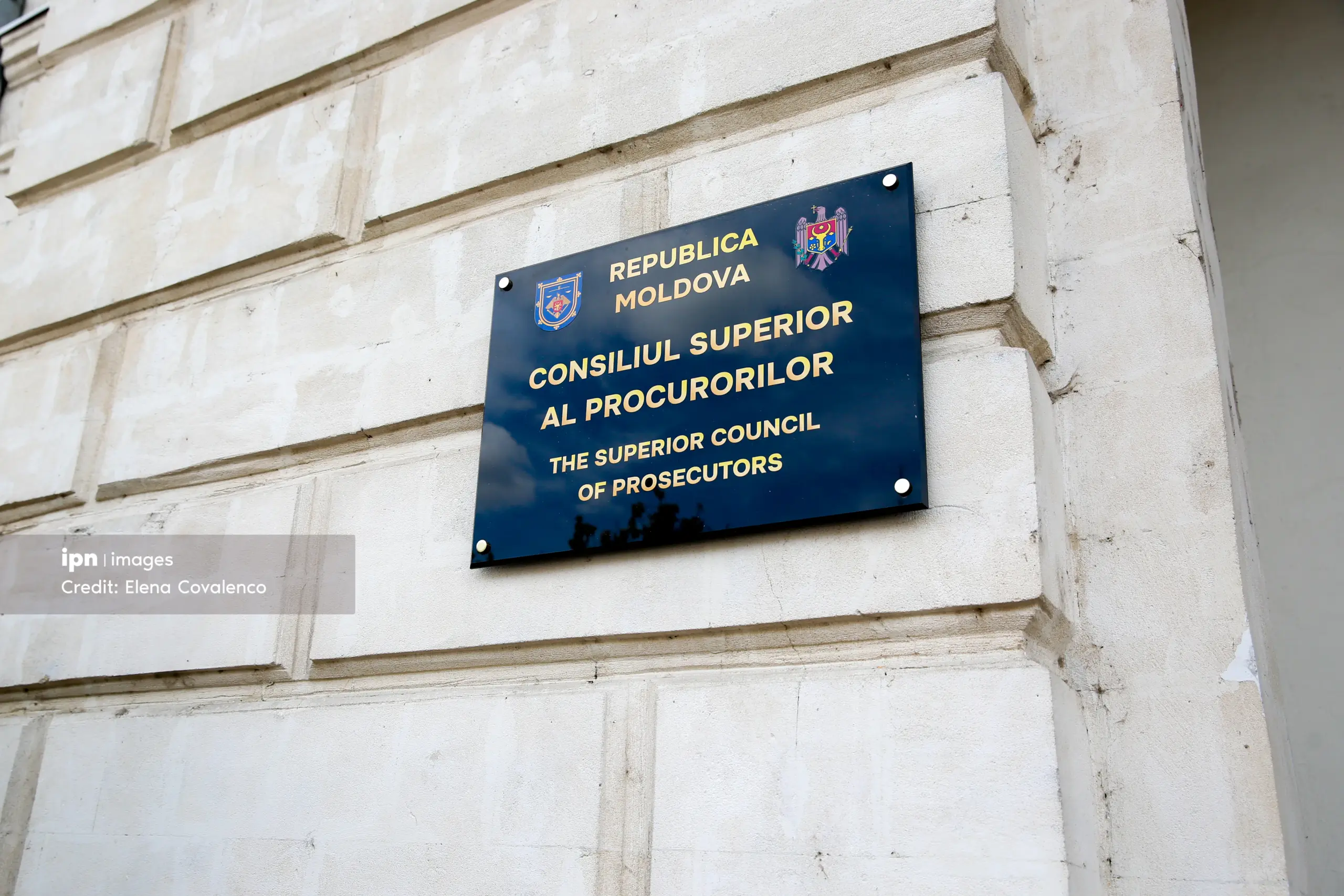
The Superior Council of Prosecutors does not support the project of the new wage law in the public sector, arguing that it does not take into account the peculiarities of the prosecution system. According to the CSP, the document, which it negatively reviewed, provides for the reduction of some wage coefficients, the decrease of bonuses and annual awards, as well as the maintenance of wage discrepancies between prosecutors and judges, reports IPN.
The CSP members clarify that they do not dispute the necessity of wage reform in the public sector, however, they believe that the project should be analyzed in terms of its impact on the functionality and independence of the prosecution. According to them, there is a lack of a distinct analysis of the system’s situation, including the staff shortage and vacant positions, as well as a comparative evaluation with the member states of the European Union.
According to the Council, the project contradicts its assumed objectives. Although the authors claim to aim at increasing the attractiveness of public functions, the document provides for the reduction of performance bonuses, the decrease of annual awards, and the compensation for certain categories of employees.
The institution highlights wage discrepancies between positions with a similar level of responsibility. According to CSP, the project introduces a wage class difference between the position of deputy prosecutor general and that of chief prosecutor of a specialized prosecution office.
At the same time, the Council draws attention to the wage differences between the prosecutors in the field and those in the district prosecutor’s offices, which can reach up to five salary classes, including for individuals with the same seniority and professional status.
According to the CSP, the application of the new salary formula could lead to a difference of up to six salary classes between the remuneration of a territorial prosecutor and that of a judge, in favor of the judge.
In this context, the Council requests a review of the salary classes for territorial prosecutor’s offices and a reexamination of the bill, so that it reflects the realities and needs of the prosecution system.
