
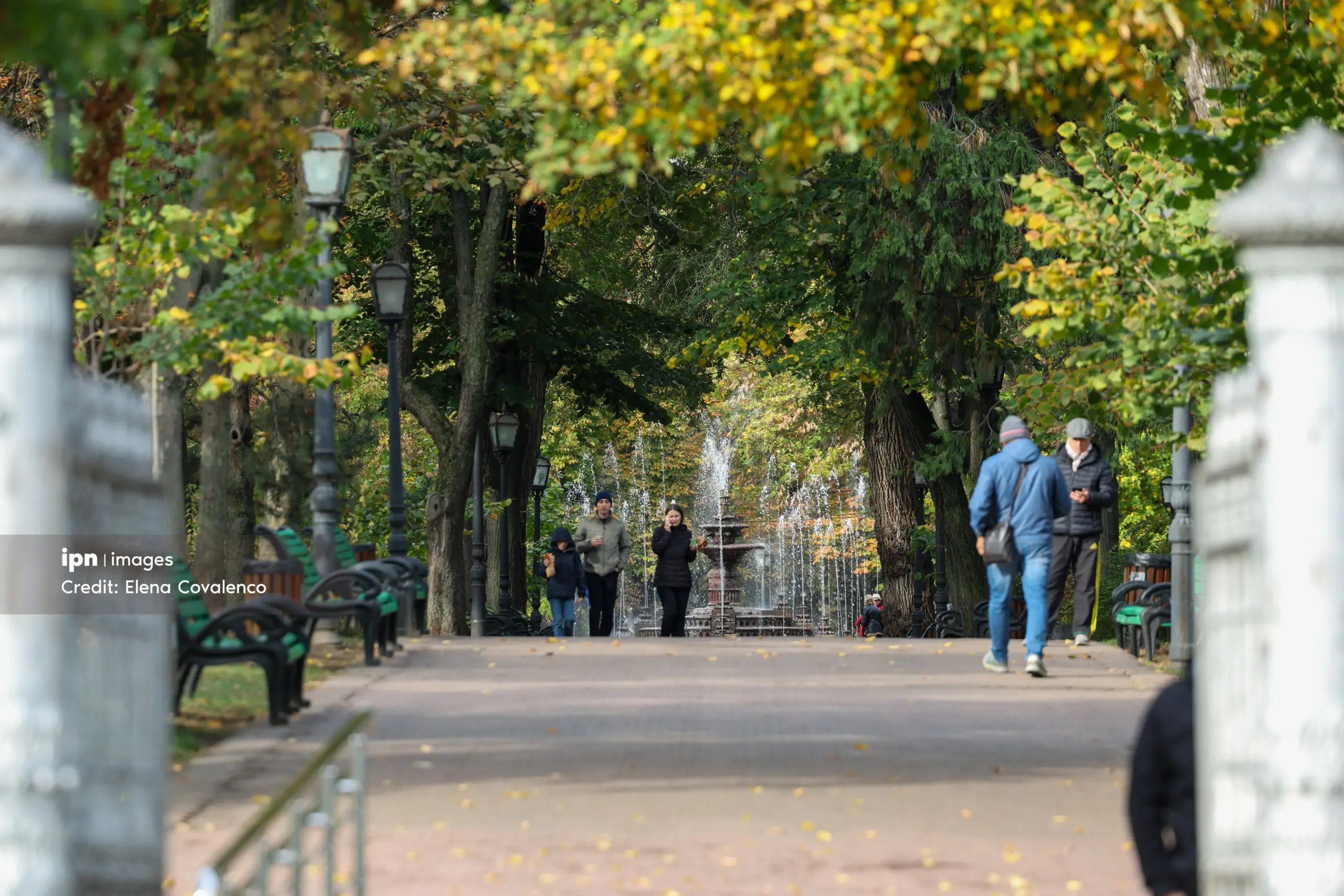
Chisinau’s new General Urban Plan would ban the conversion of green spaces into land designated for development

Chisinau’s green spaces are set to be protected under the new General Urban Plan. They will no longer be eligible for rezoning to allow construction, and the document will also lay down clear rules for preserving historic buildings, including their façades and architectural ornamentation. The statements were made by architect and urban planning expert Madalina Motcanu-Dumitrescu, IPN reports.

According to the specialist, the General Urban Plan (PUG) will include requirements to preserve the city’s defining architectural features, ensuring they are not lost as new buildings are developed. Madalina Motcanu-Dumitrescu explained that the plan will be integrated into a geographic information system, allowing residents to quickly check what can be built on a particular plot of land, including before purchasing it.

At the same time, the new General Urban Plan (PUG) will also take into account the risks of landslides and flooding. Geotechnical studies will identify vulnerable areas and the measures needed to prevent existing problems from worsening. The urban planner stressed that Chișinău’s development must proceed gradually over a period of 10–15 years following the plan’s approval, alongside the expansion of electricity, water supply and sewerage networks. She added that urban planning must take the capital’s geographical and historical characteristics into account.
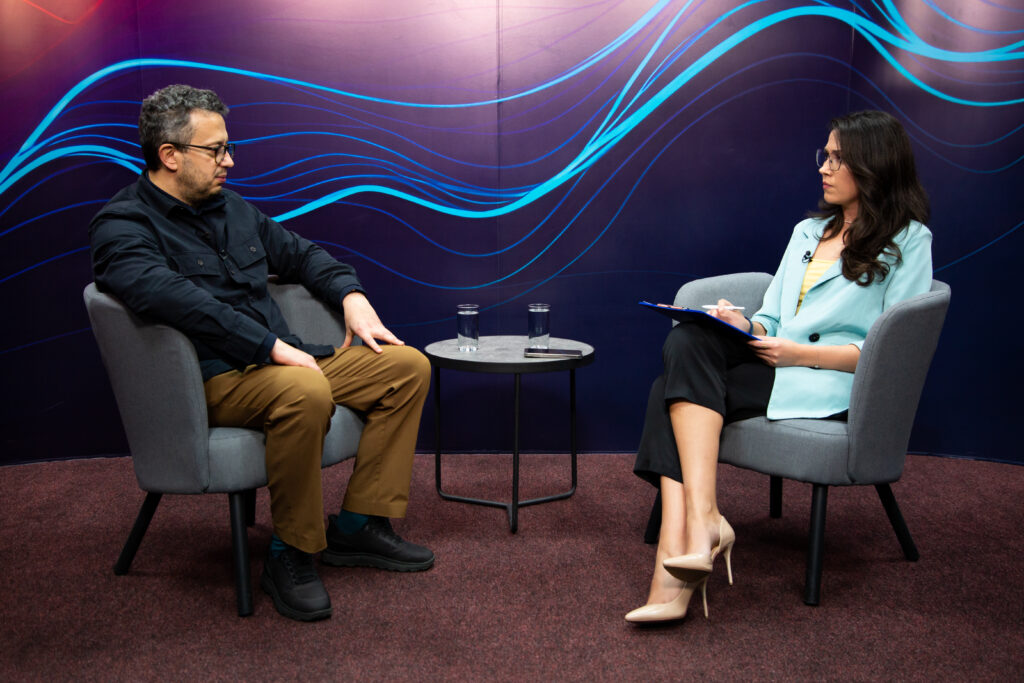
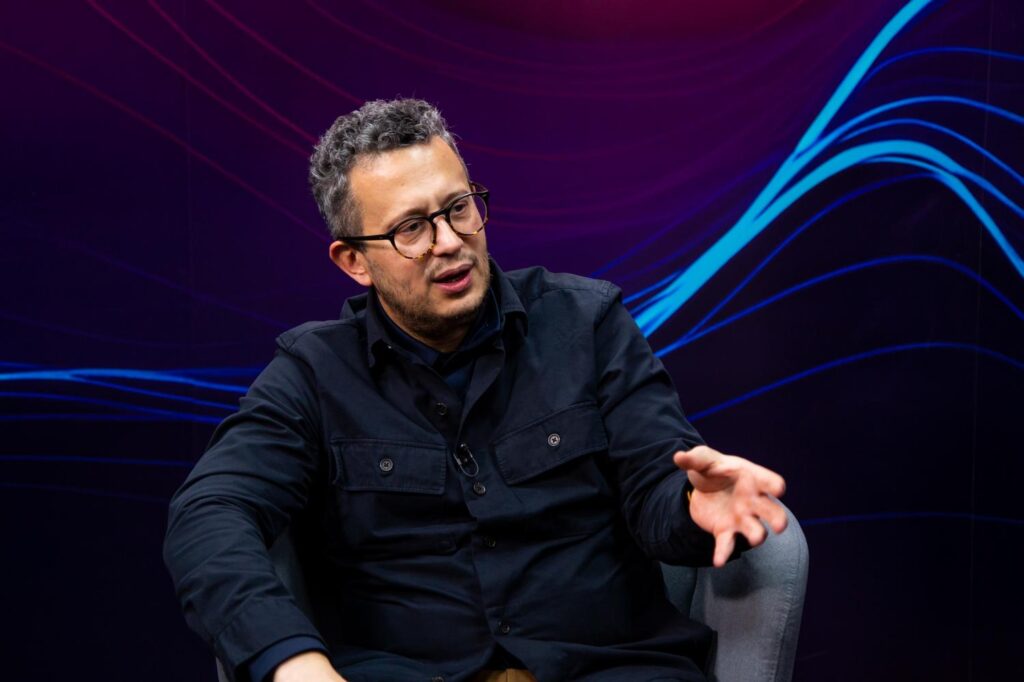
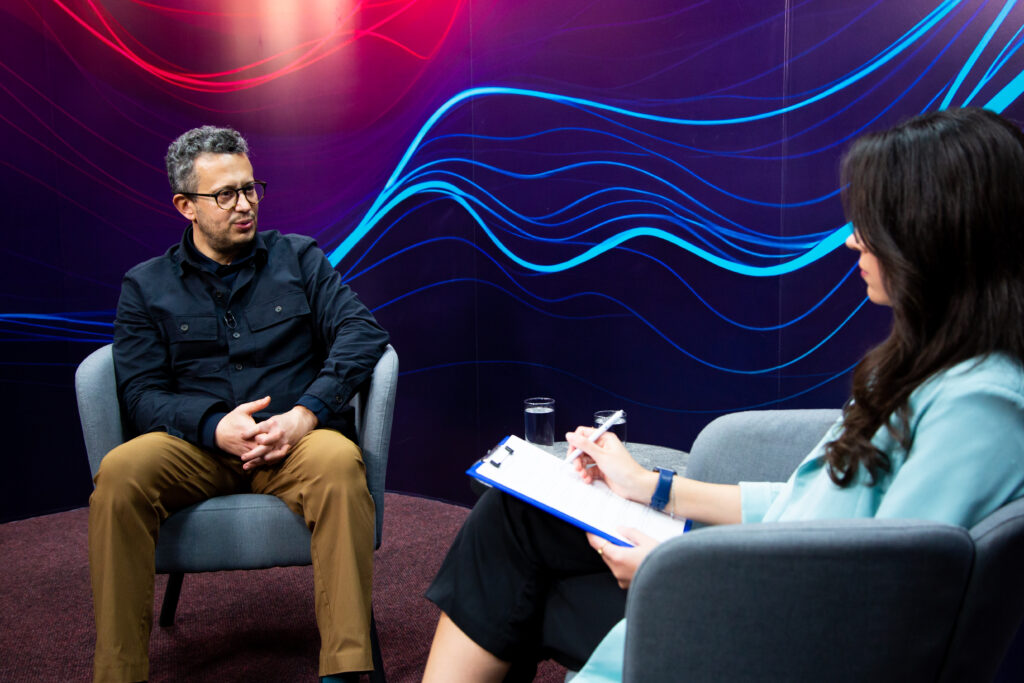
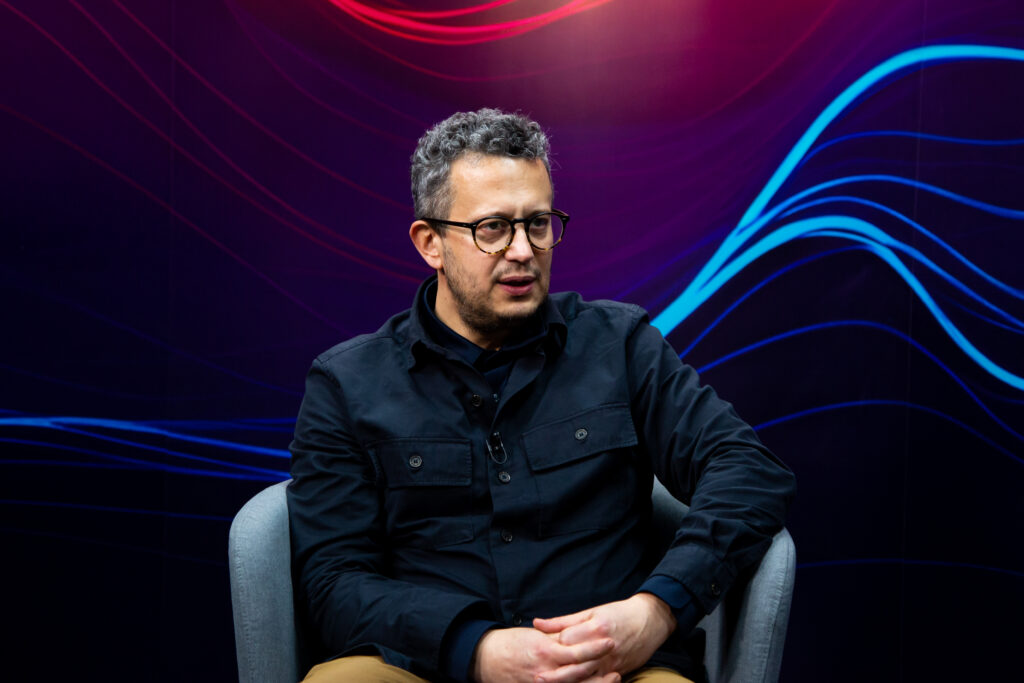
Hybrid threats, cyberattacks and disinformation are becoming increasingly sophisticated, and the Republic of Moldova needs not only strong institutions and security systems, but also citizens who can recognise and counter manipulation. This is the view of Vadim Pistrinciuc, executive director of the Institute for Strategic Initiatives, who stresses that digital literacy and strengthening society’s resilience are essential in this context. In an interview with IPN, the expert also discussed the risks of electoral manipulation, vulnerabilities in Gagauzia and the need for closer dialogue between Chișinău and Comrat.

Mr Pistrinciuc, if we look back five years, hybrid warfare seemed a rather abstract concept, or one largely associated with domestic political manipulation. How have the narratives evolved since then, particularly since the outbreak of the war in Ukraine? What themes did they focus on initially, and where do we stand today?

Unfortunately, there are two new developments here, and neither is particularly good. We have been a constant target of Russian interference in our elections ever since we gained independence. Until the war, however, this interference took what I might call “traditional” forms: funding political parties, television stations, and the media.

When it came to funding political parties, half the money was stolen on its way from Moscow, and some of the remaining half was stolen here. I think we all know the players and the pawns from the past 20 or 30 years. What happened after the war began? Not immediately, but starting in 2023, the narratives became much more complex and varied. You’re absolutely right: there is no single narrative.

Secondly, funding was increased to break, so to speak, the Republic of Moldova’s resistance. We saw how, in the run-up to 2024, it all began with rumours of vote-buying in Gagauzia. Initially, there was talk of five thousand cases, then twenty thousand, until we finally arrived at figures substantiated, at least by law enforcement agencies, and acknowledged internationally by the Republic of Moldova’s partner organisations: around 120,000 cases of electoral bribery or attempted electoral bribery.

Colossal sums were allocated, on the assumption that pouring in as much money as possible was the answer. There is a term in English, “to outnumber,” which means to surpass your opponent in numbers. In other words, not necessarily through precision or particularly sophisticated interventions, but through sheer volume. If the Republic of Moldova spends 5 million to shore up its defenses, the other side will spend 50 million to penetrate every system.

The third point is that these interventions have become far more creative, more technologically sophisticated, and increasingly internet-based. Those watching may remember that, in the past, the younger, pro-European generation was seen as more or less dominating social media. This was thought to be their space, where it was easier to reach them. We had elections in 2019 and, before that, in 2009, when social media was, in a sense, a space dominated by the younger generation.

In this particular case, actors from the Russian Federation opted to involve digital marketing specialists—professionals who had scattered across the world after the war began, fleeing military mobilization. They were hired, and their involvement left a very clear mark. It is not necessarily the intelligence services themselves that carry out these activities directly.

The intelligence services are coordinating the process, but the drive for creativity and technology—and, I would say, the use of science and the analysis of highly complex data—began to take on a distinct character after the outbreak of the war. So we are talking about more money, more technology, and more creativity.

It seems the stakes are high.

The stakes are very high, because I understand all too well this state of mind we share as citizens of the Republic of Moldova—as Moldovans here at home. We have grown used to war. It should not be this way. We have grown accustomed to a war being fought somewhere nearby, so close to us. Drones explode in Ukraine, drones crash on our soil, yet we still set off fireworks, for example. This is a paradox we Moldovans live with.

On the one hand, we warn people to watch out for drones, stay away from them, and move to safety. On the other hand, fireworks are still being set off in the Republic of Moldova—in central Chisinau, in other parts of the capital, and across the country. This may be a somewhat more mundane answer, but ultimately, this is the reality we live in.

Cyberattacks and disinformation are increasingly being used to destabilize societies. How do these threats intersect, and how prepared is the Republic of Moldova to counter them?

You are absolutely right: these threats are growing more intense. The good news is that over the past two or three years, we have learned a great deal about how to defend ourselves against them—first and foremost as a society, but also within state institutions. The bad news is that technology is not standing still.

Although some of these tools are very expensive, particularly those involving artificial intelligence, using AI-powered automation tools to carry out information attacks comes at a cost. Consequently, external forces that do not have Moldova’s best interests at heart—or that specifically seek to derail its European integration, a very real scenario at present—are devoting considerable resources to intensifying these attacks.

The recent cyberattack is a case in point. I saw reports on social media and tried to find out more, but unfortunately, I could not find any statements from the relevant authorities. As a citizen, I am interested in more than just political messages and statements from an MP, a minister, or anyone else.

I want to hear what the experts have to say about what happened. I’ve seen a lot of people on social media complaining that they’ve discovered their personal data has been accessed through their accounts.

A few minutes earlier, the authorities issued a statement saying that the personal data of around 750,000 Moldovans had been stolen, including personal identification numbers (IDNP), financial information and other details.

I thought everyone had had their data stolen. We’ve had breaches of our personal data like this before. And there are two sides to this. Of course, we can get angry with the Moldovan state, as we usually do, but things aren’t quite that simple here—from a scientific standpoint, so to speak. The situation is a little different.

I believe you and our viewers have seen a great deal of news about artificial intelligence and how this tool could, on the one hand, offer unparalleled opportunities for humanity’s advancement, while on the other, pose threats even to our very existence. These are risks that lie in the future—but in the very near future.

What we are seeing today is that artificial intelligence tools are making it much easier for supposedly independent hacker groups and other actors to carry out their activities. What exactly does this mean? Essentially, tasks that once required people to develop applications and conduct various operations can now be performed much faster and on a far greater scale, continuously and automatically, with the help of AI tools.

So far, at least two banks in Europe have already suffered losses amounting to hundreds of millions of euros as a result of cyberattacks involving artificial intelligence tools. Of course, experts should shed more light on these cases. This, then, is the reality we are heading towards.

On the one hand, we want digital services that make our lives easier. On the other, we all need to understand one very simple thing: once we use these services, our data is collected. We may think that various websites and platforms keep it safe, but in reality, it is being collected and, sooner or later, may end up being sold. Of course, there are also lawful ways of collecting our personal data.

Take Google, for example. We all use Google’s tools: search, email, YouTube, and many other services within its ecosystem. One of the ways Google makes money is by analyzing data, including the data generated by our activity.

The Republic of Moldova is well advanced in its digital transformation. Naturally, this means that vast amounts of information are stored in digital systems.

Does the Republic of Moldova have the specialists needed to cope, and how prepared is the state?

The information is concentrated in one place. Naturally, that makes it more vulnerable. We are a smaller country, with fewer resources and fewer people. We are an easy target. What is new, if I may put it that way—whether viewed pessimistically or optimistically—is that this is the reality we will face in the future.

In the future, even banks, financial institutions, and other organizations will have all their security systems breached, so to speak. This is the new reality. Every time we access a website or an app, our data ends up somewhere. This is a lawful use of data. But there are also illegal uses, carried out by various hacker groups that operate even in Europe, across the Western world, and in the United States, where highly sophisticated cybersecurity systems are in place.

A widespread phenomenon in these environments involves not only fraud but also extortion. Attackers break into systems and steal your data. If you’re a company, they then demand money in exchange for not making that data public or for returning it to you. Many such cases never come to light because numerous companies, including those in the United States, choose to pay rather than contact the authorities. They weigh the costs and, in one way or another, conclude that paying is the better option.

How long will this last? Naturally, companies that provide cybersecurity services, including those in the Republic of Moldova, purchase a wide range of solutions designed to protect them. These solutions, in turn, will need to be just as effective at using artificial intelligence tools to ensure cybersecurity.

I say all this not to alarm you, but to help us come to terms with the fact that, as our lives become increasingly digital, we will be ever more vulnerable to such attacks in the future.

This seemingly brilliant tool, this invention called artificial intelligence, is used not only for good, but also by those seeking to make money, to prevent societies and states from following the path they have chosen, to influence political life, to sow hatred and division, and even to steer people toward self-destructive behavior. People are thus driven to destroy things and resort to violence, and these acts of destruction and violence are then exploited as weapons of war.

Are these situations somehow connected to our current circumstances as well?

Absolutely. This devastating war, this act of aggression that is unimaginable in human terms, as you called it, has opened Pandora’s box. The Republic of Moldova is not the only target of these attacks, which we call hybrid attacks. Some people, especially online, make light of these things and laugh them off, but the reality is far more serious. This war has paved the way for a situation in which there seem to be no rules anymore.

Look at Germany: a powerful state with specialized agencies, enormous budgets, funding, know-how, technology, and every tool it needs, yet it is still the target of the same hybrid attacks. These include incursions by drones carrying explosives into civilian airports and assassination attempts against executives at defense industry companies. In Romania, too, we have seen a recently concluded investigation into arson attacks on defense-related businesses, along with other similar cases.

Thus, not even the most powerful states are immune to such threats. That is why, as you rightly suggested in your question, the focus must be on resilience. This is not a new word; at its core, it means the ability to withstand adversity and adapt.

For small states, the solution clearly lies in having professional institutions, but also in engaging society. Unless different social and demographic groups learn to distinguish between what is harmful and what is beneficial online and improve their financial literacy, we will continue to face serious problems.

I’m talking about online and phone scams, which I find utterly devastating. We see elderly people lose their entire life savings—sometimes as much as 100,000 lei—handing the money over to someone who turns up in shorts and flip-flops, claiming to work for the National Bank.

I understand that this is certainly a matter of security, public order, and law enforcement, but you have to agree that it is also a major issue of financial literacy. I don’t know—ever since I was little, I was taught not to talk to strangers who ask me for money. And yet, in these cases, people leave their homes and hand their money over to someone they don’t know.

Why do you think society is still vulnerable to this kind of manipulation?

These vulnerabilities are part of society, and no society is free of them. They exist everywhere. They stem from our desire to get rich quickly and our fear of finding ourselves in difficult situations. We Moldovans are also rather trusting: someone calls us, tells us a few things, and we end up believing them.

In my view, the public, the journalistic community, and opposition politicians—who play a very, very important role in putting the necessary pressure on the government and the state as a whole—are slightly misguided on this point. That is because we are always thinking in terms of punishment. We say, “Let’s increase the penalties for those who run fraudulent call centres or engage in other activities of this kind.”

Yes, they will be punished, but we must understand that technology is advancing so rapidly that the means of breaching various systems or staging scenarios to manipulate people will evolve just as quickly. And there will be no shortage of people eager to exploit these possibilities.

Recently—a week ago, or perhaps a few weeks ago—I saw a short video of a police raid on one of these centres, where scammers were using people’s personal data. For example, someone calls you and says: “Your name is Vadim, this is your personal identification number, and this is your phone number. Have you been to Bucharest, or have you flown to Turkey or somewhere else? We’d like to ask you: is something going on?”

The best form of protection is to “vaccinate” ourselves, in other words, to ask questions. Who is calling you? Why are they calling? Why are they asking you to withdraw money? Why are they asking you to transfer money? Or why are they asking you to take it out in cash? Financial literacy matters a great deal. To improve it, we need to communicate the right messages clearly to the public.

We should not say that a scam happened in my village because the local police officer responsible for the area failed to do their job properly. That is not the point. Each of us needs to take responsibility and understand that the digital world is full of opportunities, but also dangers.

First and foremost, the state must seek help if our institutions cannot tackle these challenges on their own. It needs to hire specialists. And this brings us to another trend that I do not consider particularly positive or healthy: the way salaries are set in the public sector.

If you think you can find cybersecurity specialists who are truly good at what they do and willing to accept a salary of just 30,000 or 40,000 lei, you are sorely mistaken. That simply will not happen. These professionals are highly valued in the job market and command high salaries.

The state must understand that, without funding, it has no choice but to build partnerships. The Republic of Moldova has many highly skilled professionals, not all of them young, and this institutional arrogance toward them must be set aside.

We need to create platforms for collaboration and organize discussions and roundtables where these people can come together and exchange ideas. We have a wealth of resources outside state institutions, and we need to make the most of them. The digital sector, including digital governance and services, works a little differently. It is not enough to hire someone, give them an ID badge and a rank, and then expect everything to run itself.

The state must seek the support of society as a whole. At the same time, opposition politicians and civil society must place emphasis where it belongs.

Penalties matter, the rule of law and public order matter, and the work of the police and regulatory authorities is crucial. But we must understand that when it comes to building resilience, what matters most is how people behave.

I say all this with even greater conviction because my own family has also experienced scams like these. I, too, have been duped, though not over the phone, because I would never take money to someone in a park just because a person wearing flip-flops tells me they are from the National Bank.

In my case, it was an online scam. I was trying to buy a ticket, but instead of paying €50, I had €500 taken from my account because I hadn’t been careful enough to check the website I was using. It was a fake site designed to look like the airline’s website, where I had intended to buy my ticket. So yes, we are victims, but we don’t have to remain in that role forever. We also need to ask ourselves some questions.

Institutions and the state need to communicate with the public, and in this case, we are talking about financial and digital literacy. There are age groups that need these things explained to them. And we, as citizens, need to know how to explain to our mothers, grandparents, aunts and uncles the principles of digital hygiene, how to protect themselves, and which apps they should use to stay safer online.

This is an inevitable process. Much of our lives already takes place online, and even more will unfold in the digital world. This makes many things easier for us, but it also creates numerous risks. Perhaps this is one of the challenges we struggle with as a country. Even so, I believe in the Republic of Moldova’s ability to mobilize, act wisely, respond swiftly, and bring about change in this area.

We have a great many talented young people and skilled IT professionals. It is important for them to speak up more and explain these issues to us, rather than leaving the discussion solely to politicians. I repeat this because we are already inundated with political interpretations of problems that are, on the one hand, catastrophic and extremely serious and, on the other, not going away.

These threats will not disappear with a speech, nor with a vote in Parliament to increase the sentence for digital fraud from five to ten years in prison. We must prepare for this reality. The state must certainly invest in people and protective systems and, once again, in expert communication, not just political messaging. Let me reiterate: we are already inundated with political messages and interpretations.

Disinformation also extends to other areas, including EU-related issues and election periods. For example, elections are currently taking place in the Autonomous Territorial Unit of Gagauzia. How do you view this in the current context?

How do I see it? We’re a little better prepared, because we’ve been through this before and had a few rude awakenings. There are attempts to poison the electoral process in Gagauzia, but I’m actually quite pleased. Why am I pleased? Because we’ve come a long way since the last elections, when corruption was practically official, when no one in that network made any secret of having bought 20,000 votes from public-sector employees who were paid to carry out certain tasks, or of handing out money to pensioners. Today, in the elections in the Gagauz autonomous region, the candidates are actually keeping an eye on one another to make sure no one resorts to such tactics.

Candidates for both the People’s Assembly and the post of governor say they are not using money to buy votes or resorting to dirty tricks.

These practices still exist, but they are far less widespread. Let’s acknowledge that relatively little time has passed between a situation in which virtually all public officials and pensioners in the region were being bribed and one in which candidates keep themselves—and one another—in check. Yet this change has taken place. People have realized that this is no laughing matter.

This is an example where, on the one hand, society’s resilience mattered a great deal, because public pressure prompted state institutions to take a stand against these practices. On the other hand, punitive measures also played a role. In other words, imposing penalties had an impact because people became afraid and realised they could face sanctions, be disqualified from the race or be fined if they accepted bribes, and so on. Of course, this has an effect, but it does not change people’s political preferences in the way many in Chișinău would like.

As for Gagauzia, I strongly encourage anyone who wants to learn more about the people of the region to visit as often as possible, talk to them, and understand that we are all citizens of the Republic of Moldova and live together. I believe there is an enormous lack of communication—enormous, I repeat—on the part of everyone in Chișinău: not just the ministries, the Government and Parliament, but also civil society organizations, the media, universities and the clergy.

We say that the Gagauz are our brothers, that we live side by side and that everything is fine, but when it comes to concrete action, we seem to freeze. No. Let me give you a simple example: ask yourselves how many political parties have offices or branches there. Parties matter because they help shape political culture. All too often, people in Chișinău do nothing but complain, without doing any work there. How many organizations have branches there? How many organizations are trying to invest time and resources?

Perhaps that is why manipulation has so far been more successful than the truth.

You are absolutely right. When we fail to communicate, we leave a void that, in time, will be filled by people we won’t like. We no longer communicate; we no longer interact.

Mr. Pistrinciuc, thank you very much for this conversation.

Thank you very much.

Irina Botu, IPN

Disclaimer: This material was produced by the IPN News Agency. The project “Europe Close to Home: Information, Dialogue and Cooperation” is funded by the Department for Relations with the Republic of Moldova and implemented by the IPN News Agency. The content of this material does not reflect the official position of the Department for Relations with the Republic of Moldova.


0 FacebookTwitterPinterestEmail


Chisinau’s new General Urban Plan would ban the conversion of green spaces into land designated for development

Chisinau’s green spaces are set to be protected under the new General Urban Plan. They will no longer be eligible for rezoning to allow construction, and the document will also lay down clear rules for preserving historic buildings, including their façades and architectural ornamentation. The statements were made by architect and urban planning expert Madalina Motcanu-Dumitrescu, IPN reports.

According to the specialist, the General Urban Plan (PUG) will include requirements to preserve the city’s defining architectural features, ensuring they are not lost as new buildings are developed. Madalina Motcanu-Dumitrescu explained that the plan will be integrated into a geographic information system, allowing residents to quickly check what can be built on a particular plot of land, including before purchasing it.

At the same time, the new General Urban Plan (PUG) will also take into account the risks of landslides and flooding. Geotechnical studies will identify vulnerable areas and the measures needed to prevent existing problems from worsening. The urban planner stressed that Chișinău’s development must proceed gradually over a period of 10–15 years following the plan’s approval, alongside the expansion of electricity, water supply and sewerage networks. She added that urban planning must take the capital’s geographical and historical characteristics into account.


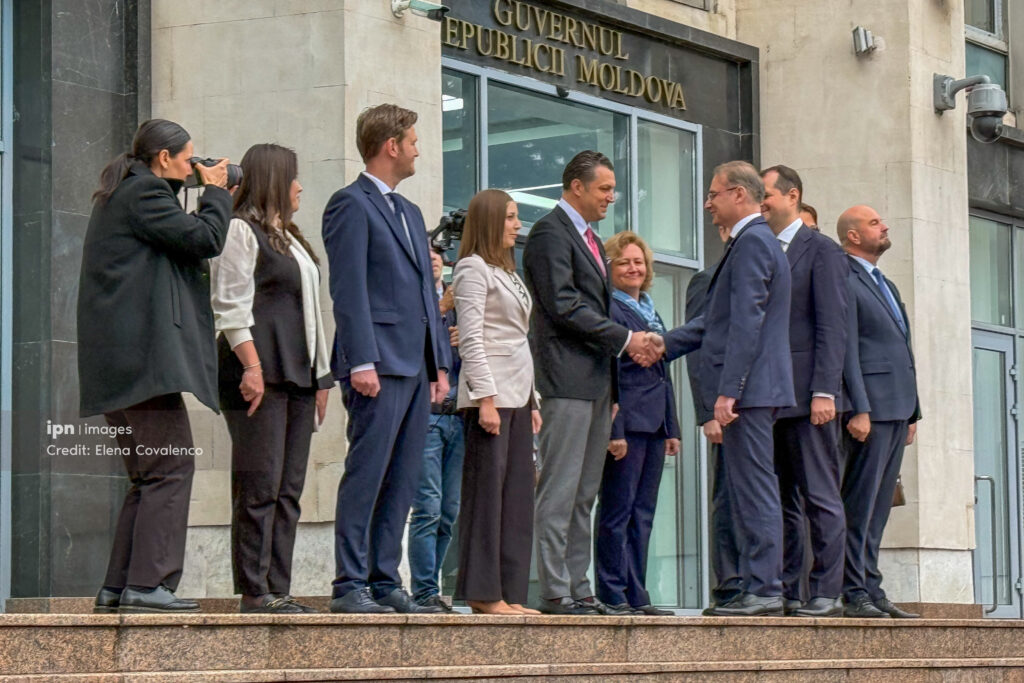
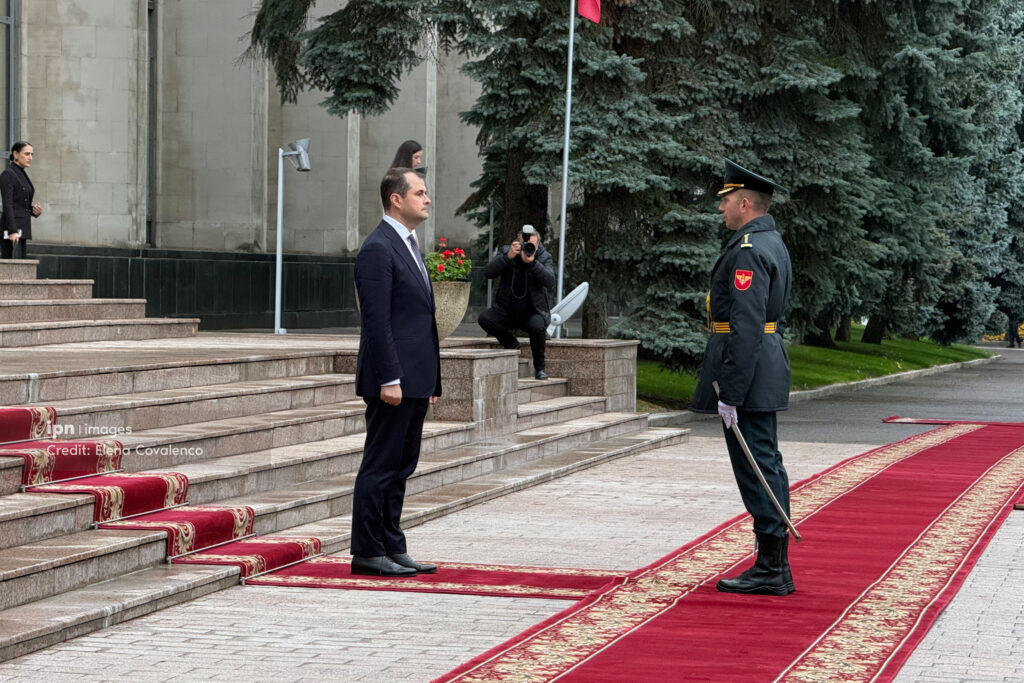
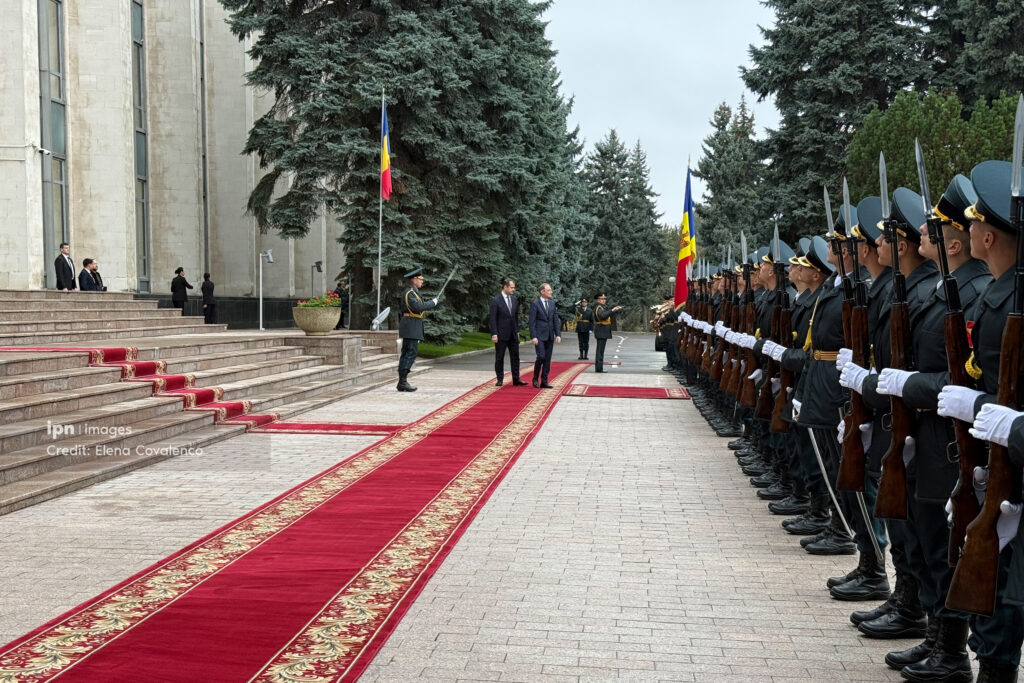
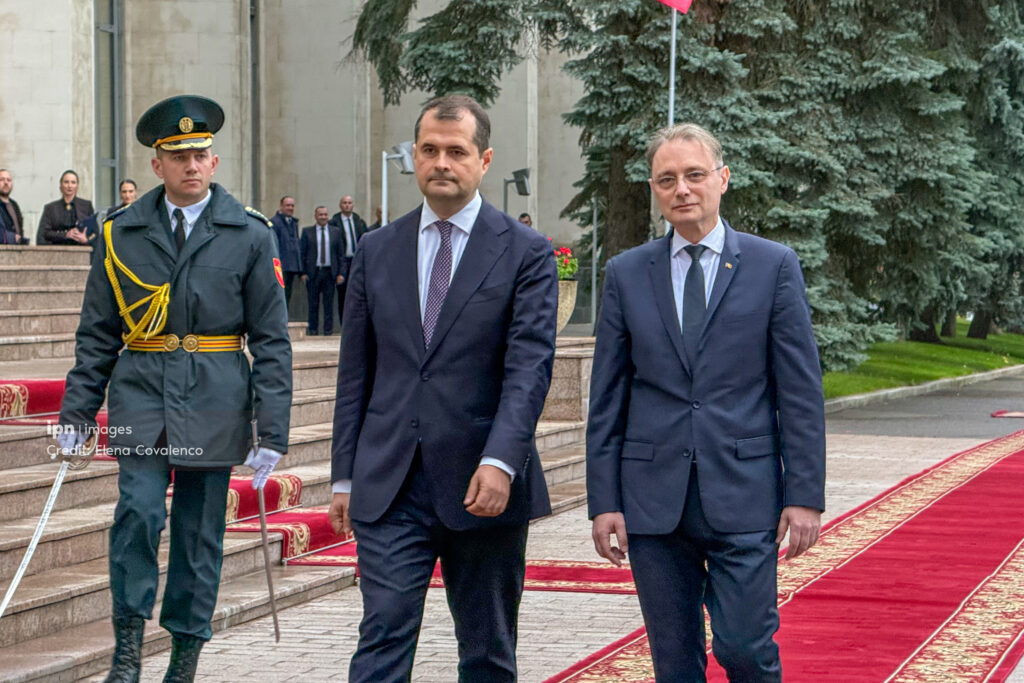
Romanian Prime Minister Luca Niculescu was welcomed by his counterpart, Vasile Tofan, at the government headquarters in Chisinau in an official ceremony with military honours. After the national anthems were played and the Guard of Honour saluted, the two prime ministers withdrew for bilateral talks, IPN reports.

Following their talks, the two prime ministers will hold a press conference. They will then visit the Chisinau electrical substation. The Romanian prime minister’s visit also includes meetings with President Maia Sandu and Speaker of Parliament Igor Grosu.

Earlier in the day, Luca Niculescu met with staff from the Consulate General and the Romanian Embassy in Chisinau, as well as with His Eminence Antonie, Metropolitan of Bessarabia.

This is the Romanian prime minister’s first official visit abroad since taking office.

0 FacebookTwitterPinterestEmail


1 IANUARIE, 2025
1 IANUARIE, 2025