
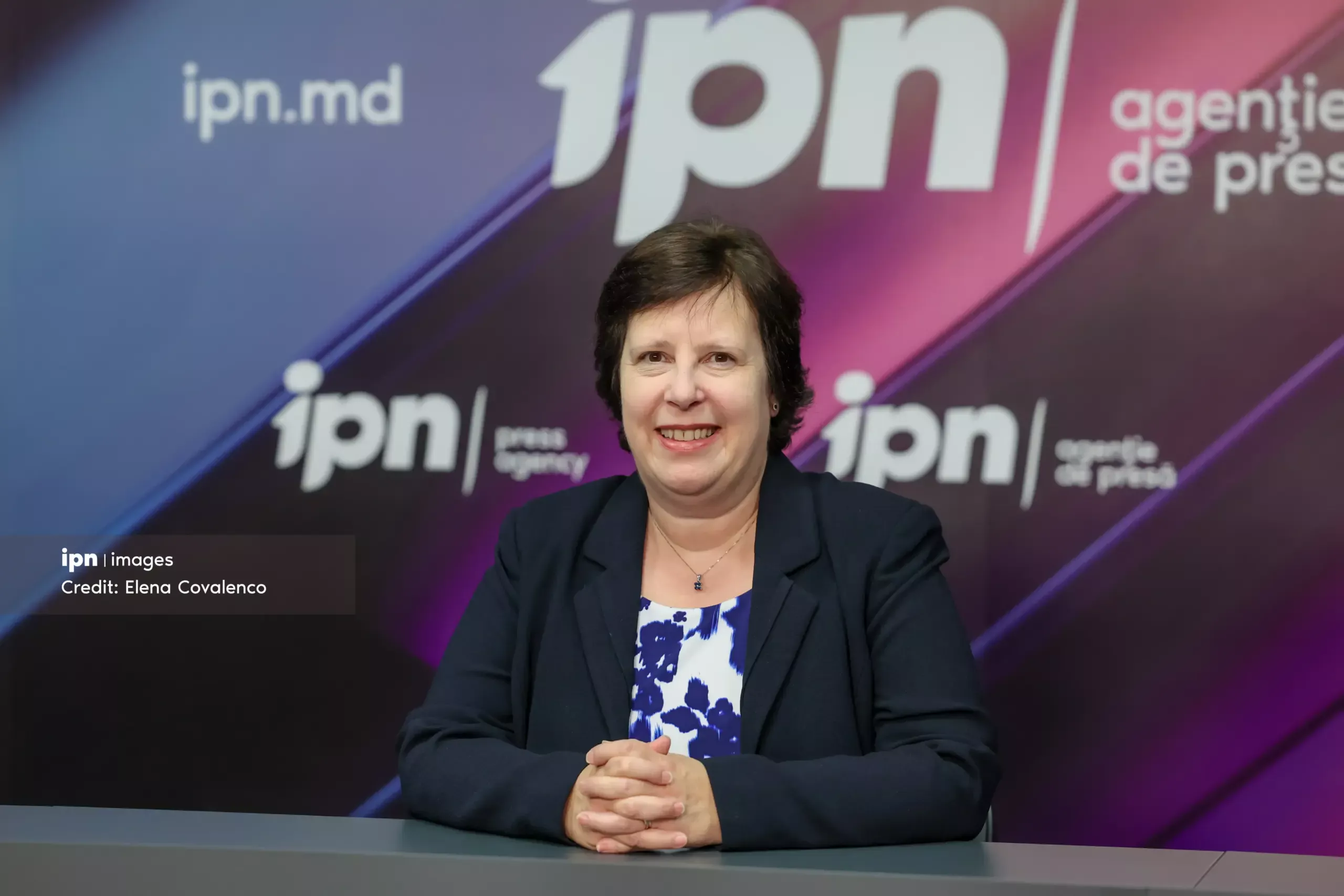
Britain’s support for Ukraine also strengthens Moldova’s security. An IPN interview with Ambassador Fern Horine

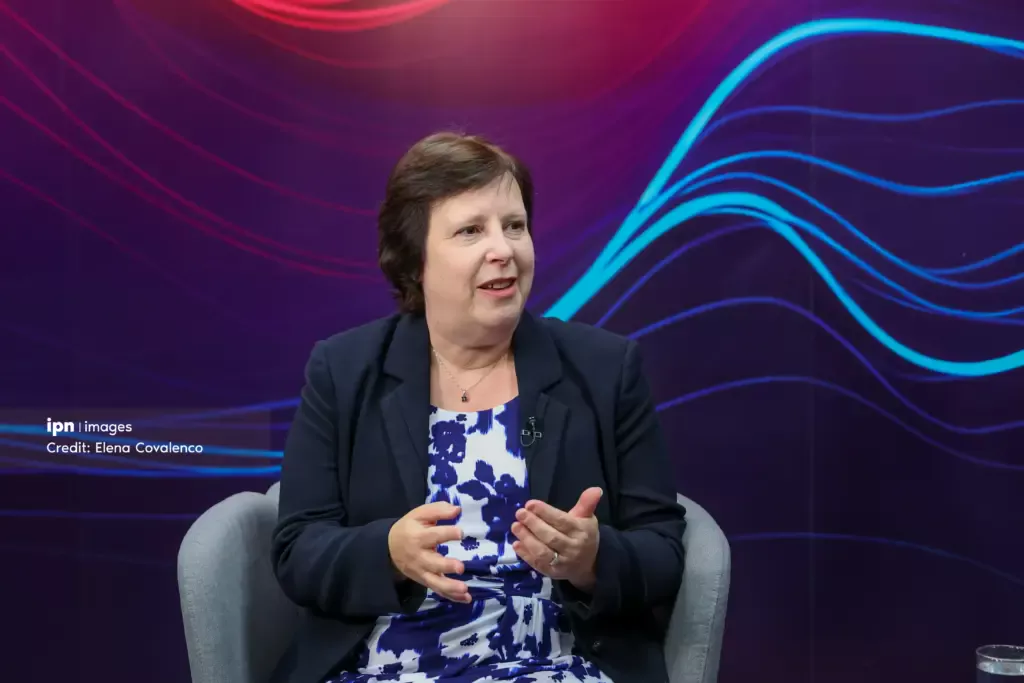
The United Kingdom is one of the partners supporting the Republic of Moldova in strengthening its security, reforming its institutions, combating corruption and fostering economic development. Against the backdrop of the war in Ukraine and growing hybrid threats, cooperation between the two countries is becoming increasingly important. In an interview with IPN, Her Excellency Fern Horine, the British Ambassador to the Republic of Moldova, discussed British support, the priorities for this cooperation and the prospects for Moldovan–British relations.

Madam Ambassador, thank you for accepting our invitation.

Thank you for the invitation. I’m delighted to be here with you and look forward to our conversation.

Let us begin with an issue of great importance to the Republic of Moldova. Russia’s war against Ukraine continues to pose serious security challenges for the entire region. The Republic of Moldova also faces hybrid threats, including disinformation, cyber-attacks, attempts to undermine democratic institutions, and airspace violations. How is the United Kingdom helping the Republic of Moldova to strengthen its resilience in the face of these types of threats?

Thank you for that question. I have lived here for over three years, and I am acutely aware of the challenges facing the citizens of the Republic of Moldova as they witness the growing number of drone incursions into Moldovan airspace, and of how unsettling and frightening this is for people living in areas where drones have crashed.

The first thing I would like to say is that the United Kingdom’s support for the Republic of Moldova builds on our support for Ukraine. As you know, we are one of Ukraine’s staunchest allies. Our support is unwavering.

Since Russia’s illegal invasion of Ukraine, the United Kingdom has provided Ukraine with £35 billion in support. Most recently, this has included £10 billion in economic and military assistance. From the United Kingdom’s perspective, this steadfast support for Ukraine also contributes to the security of the Republic of Moldova.
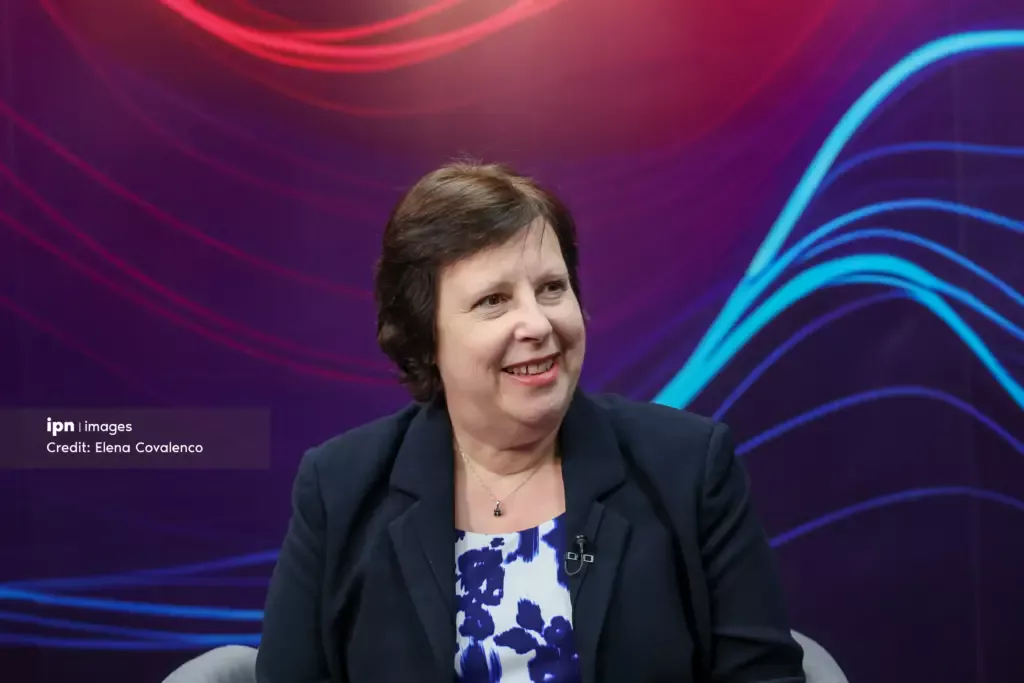
I often hear words of gratitude for the support we have provided to Ukraine. But our security relationship with the Republic of Moldova goes beyond that support. In 2024, we signed a security and defence partnership with Moldova. This partnership is focused entirely on strengthening resilience.

It is about how we can work together to address the challenges facing both our countries, the United Kingdom and the Republic of Moldova. Whether we are talking about cybersecurity, disinformation, or the transformation and reform of our armed forces, the partnership encompasses a wide range of areas in which we are taking action, including law enforcement cooperation and border security. For me, this is an important part of Moldova’s resilience.

But resilience is not just about defence and security. It also encompasses economic and societal resilience. Perhaps we will have an opportunity to discuss some of these issues. One of the key elements of our work has been supporting the transformation of the Republic of Moldova’s armed forces. I am very proud of our relationship with the Minister of Defence and the armed forces, and of the non-lethal support the United Kingdom is able to provide.

This is about training. A Moldovan officer is currently studying at Sandhurst, the United Kingdom’s leading military academy for officer training.

We have also provided English-language courses for Moldovan military personnel and offered support in logistics. I imagine logistics may seem like a rather dull subject to your viewers. In reality, however, ensuring that troops have food and uniforms and that all these systems run smoothly is an essential part of supporting any army. So it is about how we can work together to transform our defence relationship.

My final point concerns respect for the Republic of Moldova’s neutrality, which the United Kingdom fully respects. But neutrality does not mean vulnerability. The Republic of Moldova therefore has the right to defend itself. It has the right to professionalise and strengthen its armed forces. The United Kingdom and Moldova’s friends support this process.

As you mentioned, UK aid covers a wide range of areas, from institutional reform and cyber security to civil society and economic resilience. How do you ensure that funding reaches the organisations and communities that need it most? And how can the public assess the results?

Let me first address the cybersecurity aspect, and then I will answer your question. You mentioned cybersecurity. I believe it is a very important part of our relationship with the Republic of Moldova. And that relationship is not a one-way street.

It is about how we can work together and learn from one another. Through our defence and security partnership, we have therefore invested in supporting government institutions, helping them monitor and detect threats and respond to incidents.

Last month, we witnessed a deeply troubling cybersecurity incident in which government networks were compromised or rendered unavailable, and citizens’ data was exposed. Cybersecurity is therefore a crucial part of the work we do here, both as an embassy and as a government.

But your question was about how we ensure that the money is spent effectively and reaches the right places. For the British Embassy and my team, this means understanding the needs of our partners here, whether they are government institutions, communities, civil society or the media. We need to understand those needs and identify the actions and projects through which we can uphold the values that matter to the United Kingdom: democracy, human rights, the rule of law and all the elements that make up a democratic society, both in the Republic of Moldova and in the United Kingdom.

For us, it is important to understand the needs here, to get out into local communities and talk to people, and to identify areas where the United Kingdom has expertise and explore how we can bring the two together. How do we ensure that our activities and projects genuinely improve the lives of people in the Republic of Moldova and make a difference to them? This is one of the things that matters most to me: the work of our embassy and the British government must support people, improve their lives and bring about real change for them.

You recently visited the Prosecutor General’s Office, where you discussed international legal cooperation and continued support for judicial reform. How can UK assistance help to achieve concrete results in the fight against corruption, the recovery of criminal assets and the strengthening of public confidence in the justice system?

I think the first thing I would like to focus on is the last point you made: public confidence in the justice system. This is absolutely essential. It is essential for my country and for many other countries around the world. When people see that cases are brought to court, that law enforcement agencies make arrests, that trials are conducted properly, and that people are convicted and held accountable, perhaps even imprisoned, all of this builds confidence in the justice system. And that is tremendously important.

I have seen that Plahotniuc has been extradited, tried and imprisoned. Cases like this are extremely important to me. It is not just about one case, but about cases of this kind more broadly. That is why, from the perspective of both the United Kingdom and the Republic of Moldova, reforming the justice system and ensuring that it delivers justice for citizens must be a commitment that the Republic of Moldova takes ownership of. To me, this is a vital element of a democratic society.

I am proud of the work we have done to support justice sector reform—whether through the £1.7 million we invested last year via the World Bank in a project focused on justice reform and asset recovery, or through another project we carried out that was one of my favourites last year.

We brought barristers from the United Kingdom here and organised training for Moldovan prosecutors. The training focused on how prosecutors can present their cases, develop their arguments and choose the right words. Sometimes I think of courtrooms as theatres. It is all about how you present and convey your message, how you set out your arguments and make them persuasive.

British barristers with considerable expertise in this field have therefore worked alongside Moldovan prosecutors to share their experience. To me, practical initiatives like these are tangible and vitally important examples of the work we can do in partnership with the Republic of Moldova. As I said at the outset, when people can count on justice being administered consistently and reliably, public trust grows. And that matters to everyone—to every citizen of this country.
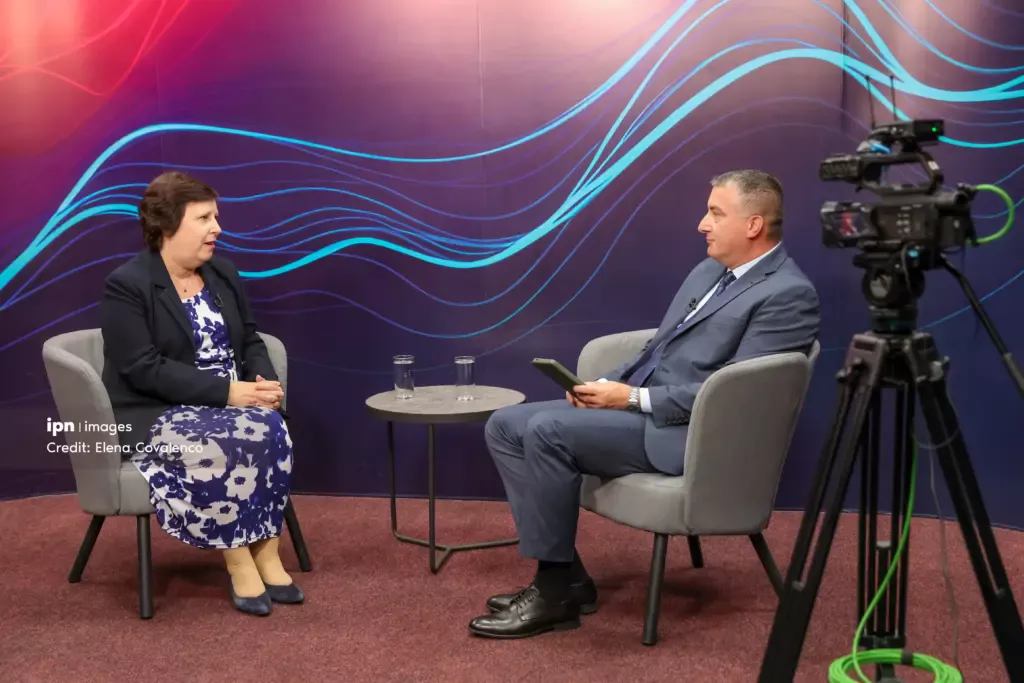
In September, a new phase of the “Building Resilience in the Eastern Neighbourhood” programme was launched, bringing new organisations into a network focused on information integrity, inclusion and crisis preparedness. What specific changes should the citizens of the Republic of Moldova expect as a result of these projects?

BREN, a programme aimed at strengthening resilience across the region, and particularly here in the Republic of Moldova, is one of my favourite projects that we are working on. As you mentioned, it supports civil society organisations and institutions in building their resilience, particularly in the areas of security, cyber threats and disinformation, and, crucially, in advancing the Women, Peace and Security agenda.

Through this programme, we aim to build a closer partnership between civil society organisations, state institutions and communities. I have personally visited some of the projects we support. There is an organisation called Eco in Cahul that works to strengthen digital resilience and helps citizens understand why it is important to verify information, develop critical thinking skills and acquire the digital literacy we all need. I need it just as much as anyone else. This project therefore makes a very important contribution to building citizens’ skills and raising their awareness.

Another project we have supported is taking place in Balti, where it helps Audiviz, an organization that works with people with disabilities. Through BREN, we reach different groups in society, whether women, young people or people with disabilities. I am also very proud that, through BREN, we support a non-governmental, civil society organization working to counter disinformation about LGBT rights and combat hate speech. The aim is to find ways to eliminate such messages from public discourse.

So, we support a wide range of organizations, some of which focus primarily on the Women, Peace and Security agenda. This is an issue close to my heart. Women’s participation is vital. For example, we support a project run by the Association of Women Police Officers that helps them build relationships with communities and break down barriers between different groups in society and the wider community.

We therefore support a wide range of initiatives across the country. And I think it is particularly important that these initiatives are taking place in different regions of the Republic of Moldova, rather than being run solely by organizations based in Chisinau. I hope people in these communities will feel the difference that some of these activities make. Some may already have taken part in training sessions. BREN, however, is not the only programme we run.

Another project I’m particularly excited about, which we’ll be launching soon, is a joint initiative with UNFPA, the United Nations Population Fund. It aims to support communities, including newly merged communities, and the councils formed as a result of public administration reform. The goal is to bring residents and local leaders together to identify the priorities that matter most to people and the issues affecting their lives.

We will also focus on vulnerable groups, such as women, young people, and people with disabilities. We will explore how to strengthen ties between communities responsible for serving citizens and meeting their needs, and how these communities can work together to address existing problems and challenges.

So, as you can see, I’m very proud of some of the things we do, but often these are community-based projects. They’re about civil society, about communities and about building resilience at the local level.

Your Excellency, as you know, the Republic of Moldova is, first and foremost, an agricultural country. Moldovan exports of apples, plums and grapes to the United Kingdom have increased significantly following trade liberalisation. Beyond market access, what else could the United Kingdom do to help Moldovan companies attract investment, meet British standards and establish long-term commercial partnerships?

One of my fondest memories of this year is of standing in an apple orchard whose fruit was most likely destined for the United Kingdom. As you have noted, Moldovan fruit exports to the UK have grown considerably, largely thanks to an agreement we signed in 2024 extending tariff liberalisation and eliminating customs duties on some of these products.

But it’s not just about fruit. It’s about the full range of opportunities in the Republic of Moldova. I believe there are some very exciting opportunities in technology, digital services and business services. I think this sector is quite well developed here, and the plans for the high-tech park are of great interest to us—something we are following closely.
I was very proud to welcome a delegation of British businesspeople to the Republic of Moldova for Moldova Business Week, which took place in September. It was the first business delegation of its kind since I arrived in Moldova. British companies from the cybersecurity, legal services and real estate sectors took part. It was a valuable opportunity to show British companies that the Republic of Moldova is open for business and that there are opportunities here. It was a very positive development.

I credit the Republic of Moldova’s newly appointed honorary consuls in the United Kingdom with organising this business delegation. The two honorary consuls are based in Manchester and Northampton. This gives us an excellent opportunity to work closely with Moldova’s honorary consular representatives in the United Kingdom and explore ways to forge ties between businesses.

The United Kingdom is open for business. The Republic of Moldova is open for business. But I believe it is our responsibility to identify these opportunities and encourage companies to step through the door that is open to them.

Another project we are working on together with the Embassy of the Republic of Moldova in London and the Embassy of Romania in London is a trilateral economic forum, which will most likely take place in London in March next year. The forum aims to introduce British companies to business opportunities in both Romania and the Republic of Moldova.

I’m very excited about what this initiative could achieve and how we can work with the Republic of Moldova to raise awareness among British companies of the opportunities available here. Business-to-business ties are extremely important, but it is equally important for governments to get involved.

Earlier this year, as part of our strategic dialogue with the Republic of Moldova in London, a meeting of the Trade Committee also took place, bringing together Moldovan and UK officials for talks on trade. The Committee’s role is to discuss and resolve any issues that may arise in our relationship, including those relating to customs cooperation. This work is ongoing.

Therefore, it is important for governments to get involved, but I believe what matters most is for businesses to work together, identify opportunities and drive trade forward. I am very pleased with how trade relations have developed. I’m not sure whether I should take credit for this, but perhaps I should.

Our trade relationship is stronger than ever, with trade figures at an all-time high. Trade between the United Kingdom and the Republic of Moldova stands at an impressive £1.6 billion. But there is only one direction that figure should go: up. And we will keep working to make that happen.

The United Kingdom supports projects aimed at building trust between communities on both sides of the Dniester. How do these initiatives contribute to the reintegration of the Republic of Moldova, and what results have been achieved for the people in the region?

Thank you. I would like to emphasize that the United Kingdom has supported the peaceful settlement and reintegration processes from the very outset. We support these efforts within the framework of the Republic of Moldova’s territorial integrity and internationally recognized borders, and with full respect for its sovereignty. I believe these are important principles that we must never lose sight of.

But I also believe that peace processes matter, dialogue matters and diplomacy matters. At the same time, some of our activities and initiatives focus on direct connections between people. How can we support people on both banks of the Dniester River who are citizens of the Republic of Moldova? How can we help them?

Some of our efforts to build trust across the Dniester have taken the form of specific projects. One project we supported recently focused on the human rights situation in the Transnistrian region. And let us be very clear: the human rights situation there is not good. Human rights in the region are being violated or are under threat.

We worked with Promo-LEX, a leading civil society organization, to train people to document these human rights violations and build cases based on the evidence they gathered. On a more positive note, we worked with organizations on both banks of the Dniester in the field of emergency medical care. This involved training specialists, medical staff and doctors in line with international standards to provide the public with high-quality emergency medical services.

I believe this was very important, because emergency medical care has no political affiliation. If an ambulance needs to get somewhere and someone needs help, it simply has to happen.

Through our project, we trained 900 healthcare workers. This is a truly impressive figure—and, more importantly, a vital step towards making these services available to those who need them.

Another aspect of our work focused on supporting business development on both sides of the river. How can businesses grow? How can they get off the ground and expand? What marketing strategies should they adopt? How can they bring their products to European markets? To address these questions, the AddTrade project provided support to entrepreneurs and companies on both banks of the Dniester.

Returning to my earlier point, diplomacy and dialogue are essential to the reintegration process. I welcome the growing number of meetings in the 1+1 format between the political representatives involved in the negotiations. But I would also like us to work on strengthening direct ties between people and supporting the citizens of the Republic of Moldova on both banks of the Dniester.

Your Excellency, you mentioned that the United Kingdom supports civil society organisations, the independent media and initiatives aimed at strengthening the Republic of Moldova’s resilience. How do you decide which projects receive funding, and how do you measure their impact?

I think one of the most important words you just used is “impact”. It is central to our work. The development assistance we provide is intended to make an impact and bring about real change. When we look at our activities and the support my team at the embassy can offer here, we ask ourselves what changes are possible, what impact our work can have and what results we can achieve.

For me, sustainability is another important consideration. We should not undertake activities that create organizations or structures unable to sustain themselves over the long term or continue operating once international support is withdrawn or the project comes to an end. Sustainability and impact are therefore two essential elements.

All UK assistance provided here is recorded on Development Tracker, our online platform for monitoring development projects.

You can access this platform and explore the information, as it is all publicly available. Online transparency is, once again, a key part of our work and of how the British government delivers and manages development assistance.

I believe that, when it comes to our work here in the Republic of Moldova, it is essential that every project we support aligns with our interests and objectives. One of our foremost priorities is for the Republic of Moldova to be a safe, stable, democratic, free and prosperous country. These are the goals that must guide our efforts.

You mentioned civil society and the independent media. I think we’ve already spoken at some length about some of the civil society organizations we work with. But again, it’s about how we can bring about change and ensure that it lasts.

As for independent media, our activities have included, for example, BBC support for developing editorial skills at Teleradio-Moldova. The aim is to sustain and develop these skills, not to keep the organizations themselves afloat. I am very proud of the work we have done in the past to support independent media, because their role is to hold governments to account.

The media must ask tough questions. They must hold me accountable, and hold the government here accountable too—which is exactly what you are doing by asking me all these questions.

Your Excellency, thank you very much for this interview.

Thank you as well. It was a pleasure.

Octavian Bratosin, IPN


The United Kingdom is one of the partners supporting the Republic of Moldova in strengthening its security, reforming its institutions, combating corruption and fostering economic development. Against the backdrop of the war in Ukraine and growing hybrid threats, cooperation between the two countries is becoming increasingly important. In an interview with IPN, Her Excellency Fern Horine, the British Ambassador to the Republic of Moldova, discussed British support, the priorities for this cooperation and the prospects for Moldovan–British relations.

Madam Ambassador, thank you for accepting our invitation.

Thank you for the invitation. I’m delighted to be here with you and look forward to our conversation.

Let us begin with an issue of great importance to the Republic of Moldova. Russia’s war against Ukraine continues to pose serious security challenges for the entire region. The Republic of Moldova also faces hybrid threats, including disinformation, cyber-attacks, attempts to undermine democratic institutions, and airspace violations. How is the United Kingdom helping the Republic of Moldova to strengthen its resilience in the face of these types of threats?

Thank you for that question. I have lived here for over three years, and I am acutely aware of the challenges facing the citizens of the Republic of Moldova as they witness the growing number of drone incursions into Moldovan airspace, and of how unsettling and frightening this is for people living in areas where drones have crashed.

The first thing I would like to say is that the United Kingdom’s support for the Republic of Moldova builds on our support for Ukraine. As you know, we are one of Ukraine’s staunchest allies. Our support is unwavering.

Since Russia’s illegal invasion of Ukraine, the United Kingdom has provided Ukraine with £35 billion in support. Most recently, this has included £10 billion in economic and military assistance. From the United Kingdom’s perspective, this steadfast support for Ukraine also contributes to the security of the Republic of Moldova.

I often hear words of gratitude for the support we have provided to Ukraine. But our security relationship with the Republic of Moldova goes beyond that support. In 2024, we signed a security and defence partnership with Moldova. This partnership is focused entirely on strengthening resilience.

It is about how we can work together to address the challenges facing both our countries, the United Kingdom and the Republic of Moldova. Whether we are talking about cybersecurity, disinformation, or the transformation and reform of our armed forces, the partnership encompasses a wide range of areas in which we are taking action, including law enforcement cooperation and border security. For me, this is an important part of Moldova’s resilience.

But resilience is not just about defence and security. It also encompasses economic and societal resilience. Perhaps we will have an opportunity to discuss some of these issues. One of the key elements of our work has been supporting the transformation of the Republic of Moldova’s armed forces. I am very proud of our relationship with the Minister of Defence and the armed forces, and of the non-lethal support the United Kingdom is able to provide.

This is about training. A Moldovan officer is currently studying at Sandhurst, the United Kingdom’s leading military academy for officer training.

We have also provided English-language courses for Moldovan military personnel and offered support in logistics. I imagine logistics may seem like a rather dull subject to your viewers. In reality, however, ensuring that troops have food and uniforms and that all these systems run smoothly is an essential part of supporting any army. So it is about how we can work together to transform our defence relationship.

My final point concerns respect for the Republic of Moldova’s neutrality, which the United Kingdom fully respects. But neutrality does not mean vulnerability. The Republic of Moldova therefore has the right to defend itself. It has the right to professionalise and strengthen its armed forces. The United Kingdom and Moldova’s friends support this process.

As you mentioned, UK aid covers a wide range of areas, from institutional reform and cyber security to civil society and economic resilience. How do you ensure that funding reaches the organisations and communities that need it most? And how can the public assess the results?

Let me first address the cybersecurity aspect, and then I will answer your question. You mentioned cybersecurity. I believe it is a very important part of our relationship with the Republic of Moldova. And that relationship is not a one-way street.

It is about how we can work together and learn from one another. Through our defence and security partnership, we have therefore invested in supporting government institutions, helping them monitor and detect threats and respond to incidents.

Last month, we witnessed a deeply troubling cybersecurity incident in which government networks were compromised or rendered unavailable, and citizens’ data was exposed. Cybersecurity is therefore a crucial part of the work we do here, both as an embassy and as a government.

But your question was about how we ensure that the money is spent effectively and reaches the right places. For the British Embassy and my team, this means understanding the needs of our partners here, whether they are government institutions, communities, civil society or the media. We need to understand those needs and identify the actions and projects through which we can uphold the values that matter to the United Kingdom: democracy, human rights, the rule of law and all the elements that make up a democratic society, both in the Republic of Moldova and in the United Kingdom.

For us, it is important to understand the needs here, to get out into local communities and talk to people, and to identify areas where the United Kingdom has expertise and explore how we can bring the two together. How do we ensure that our activities and projects genuinely improve the lives of people in the Republic of Moldova and make a difference to them? This is one of the things that matters most to me: the work of our embassy and the British government must support people, improve their lives and bring about real change for them.

You recently visited the Prosecutor General’s Office, where you discussed international legal cooperation and continued support for judicial reform. How can UK assistance help to achieve concrete results in the fight against corruption, the recovery of criminal assets and the strengthening of public confidence in the justice system?

I think the first thing I would like to focus on is the last point you made: public confidence in the justice system. This is absolutely essential. It is essential for my country and for many other countries around the world. When people see that cases are brought to court, that law enforcement agencies make arrests, that trials are conducted properly, and that people are convicted and held accountable, perhaps even imprisoned, all of this builds confidence in the justice system. And that is tremendously important.

I have seen that Plahotniuc has been extradited, tried and imprisoned. Cases like this are extremely important to me. It is not just about one case, but about cases of this kind more broadly. That is why, from the perspective of both the United Kingdom and the Republic of Moldova, reforming the justice system and ensuring that it delivers justice for citizens must be a commitment that the Republic of Moldova takes ownership of. To me, this is a vital element of a democratic society.

I am proud of the work we have done to support justice sector reform—whether through the £1.7 million we invested last year via the World Bank in a project focused on justice reform and asset recovery, or through another project we carried out that was one of my favourites last year.

We brought barristers from the United Kingdom here and organised training for Moldovan prosecutors. The training focused on how prosecutors can present their cases, develop their arguments and choose the right words. Sometimes I think of courtrooms as theatres. It is all about how you present and convey your message, how you set out your arguments and make them persuasive.

British barristers with considerable expertise in this field have therefore worked alongside Moldovan prosecutors to share their experience. To me, practical initiatives like these are tangible and vitally important examples of the work we can do in partnership with the Republic of Moldova. As I said at the outset, when people can count on justice being administered consistently and reliably, public trust grows. And that matters to everyone—to every citizen of this country.

In September, a new phase of the “Building Resilience in the Eastern Neighbourhood” programme was launched, bringing new organisations into a network focused on information integrity, inclusion and crisis preparedness. What specific changes should the citizens of the Republic of Moldova expect as a result of these projects?

BREN, a programme aimed at strengthening resilience across the region, and particularly here in the Republic of Moldova, is one of my favourite projects that we are working on. As you mentioned, it supports civil society organisations and institutions in building their resilience, particularly in the areas of security, cyber threats and disinformation, and, crucially, in advancing the Women, Peace and Security agenda.

Through this programme, we aim to build a closer partnership between civil society organisations, state institutions and communities. I have personally visited some of the projects we support. There is an organisation called Eco in Cahul that works to strengthen digital resilience and helps citizens understand why it is important to verify information, develop critical thinking skills and acquire the digital literacy we all need. I need it just as much as anyone else. This project therefore makes a very important contribution to building citizens’ skills and raising their awareness.

Another project we have supported is taking place in Balti, where it helps Audiviz, an organization that works with people with disabilities. Through BREN, we reach different groups in society, whether women, young people or people with disabilities. I am also very proud that, through BREN, we support a non-governmental, civil society organization working to counter disinformation about LGBT rights and combat hate speech. The aim is to find ways to eliminate such messages from public discourse.

So, we support a wide range of organizations, some of which focus primarily on the Women, Peace and Security agenda. This is an issue close to my heart. Women’s participation is vital. For example, we support a project run by the Association of Women Police Officers that helps them build relationships with communities and break down barriers between different groups in society and the wider community.

We therefore support a wide range of initiatives across the country. And I think it is particularly important that these initiatives are taking place in different regions of the Republic of Moldova, rather than being run solely by organizations based in Chisinau. I hope people in these communities will feel the difference that some of these activities make. Some may already have taken part in training sessions. BREN, however, is not the only programme we run.

Another project I’m particularly excited about, which we’ll be launching soon, is a joint initiative with UNFPA, the United Nations Population Fund. It aims to support communities, including newly merged communities, and the councils formed as a result of public administration reform. The goal is to bring residents and local leaders together to identify the priorities that matter most to people and the issues affecting their lives.

We will also focus on vulnerable groups, such as women, young people, and people with disabilities. We will explore how to strengthen ties between communities responsible for serving citizens and meeting their needs, and how these communities can work together to address existing problems and challenges.

So, as you can see, I’m very proud of some of the things we do, but often these are community-based projects. They’re about civil society, about communities and about building resilience at the local level.

Your Excellency, as you know, the Republic of Moldova is, first and foremost, an agricultural country. Moldovan exports of apples, plums and grapes to the United Kingdom have increased significantly following trade liberalisation. Beyond market access, what else could the United Kingdom do to help Moldovan companies attract investment, meet British standards and establish long-term commercial partnerships?

One of my fondest memories of this year is of standing in an apple orchard whose fruit was most likely destined for the United Kingdom. As you have noted, Moldovan fruit exports to the UK have grown considerably, largely thanks to an agreement we signed in 2024 extending tariff liberalisation and eliminating customs duties on some of these products.

But it’s not just about fruit. It’s about the full range of opportunities in the Republic of Moldova. I believe there are some very exciting opportunities in technology, digital services and business services. I think this sector is quite well developed here, and the plans for the high-tech park are of great interest to us—something we are following closely.

I was very proud to welcome a delegation of British businesspeople to the Republic of Moldova for Moldova Business Week, which took place in September. It was the first business delegation of its kind since I arrived in Moldova. British companies from the cybersecurity, legal services and real estate sectors took part. It was a valuable opportunity to show British companies that the Republic of Moldova is open for business and that there are opportunities here. It was a very positive development.

I credit the Republic of Moldova’s newly appointed honorary consuls in the United Kingdom with organising this business delegation. The two honorary consuls are based in Manchester and Northampton. This gives us an excellent opportunity to work closely with Moldova’s honorary consular representatives in the United Kingdom and explore ways to forge ties between businesses.

The United Kingdom is open for business. The Republic of Moldova is open for business. But I believe it is our responsibility to identify these opportunities and encourage companies to step through the door that is open to them.

Another project we are working on together with the Embassy of the Republic of Moldova in London and the Embassy of Romania in London is a trilateral economic forum, which will most likely take place in London in March next year. The forum aims to introduce British companies to business opportunities in both Romania and the Republic of Moldova.

I’m very excited about what this initiative could achieve and how we can work with the Republic of Moldova to raise awareness among British companies of the opportunities available here. Business-to-business ties are extremely important, but it is equally important for governments to get involved.

Earlier this year, as part of our strategic dialogue with the Republic of Moldova in London, a meeting of the Trade Committee also took place, bringing together Moldovan and UK officials for talks on trade. The Committee’s role is to discuss and resolve any issues that may arise in our relationship, including those relating to customs cooperation. This work is ongoing.

Therefore, it is important for governments to get involved, but I believe what matters most is for businesses to work together, identify opportunities and drive trade forward. I am very pleased with how trade relations have developed. I’m not sure whether I should take credit for this, but perhaps I should.

Our trade relationship is stronger than ever, with trade figures at an all-time high. Trade between the United Kingdom and the Republic of Moldova stands at an impressive £1.6 billion. But there is only one direction that figure should go: up. And we will keep working to make that happen.

The United Kingdom supports projects aimed at building trust between communities on both sides of the Dniester. How do these initiatives contribute to the reintegration of the Republic of Moldova, and what results have been achieved for the people in the region?

Thank you. I would like to emphasize that the United Kingdom has supported the peaceful settlement and reintegration processes from the very outset. We support these efforts within the framework of the Republic of Moldova’s territorial integrity and internationally recognized borders, and with full respect for its sovereignty. I believe these are important principles that we must never lose sight of.

But I also believe that peace processes matter, dialogue matters and diplomacy matters. At the same time, some of our activities and initiatives focus on direct connections between people. How can we support people on both banks of the Dniester River who are citizens of the Republic of Moldova? How can we help them?

Some of our efforts to build trust across the Dniester have taken the form of specific projects. One project we supported recently focused on the human rights situation in the Transnistrian region. And let us be very clear: the human rights situation there is not good. Human rights in the region are being violated or are under threat.

We worked with Promo-LEX, a leading civil society organization, to train people to document these human rights violations and build cases based on the evidence they gathered. On a more positive note, we worked with organizations on both banks of the Dniester in the field of emergency medical care. This involved training specialists, medical staff and doctors in line with international standards to provide the public with high-quality emergency medical services.

I believe this was very important, because emergency medical care has no political affiliation. If an ambulance needs to get somewhere and someone needs help, it simply has to happen.

Through our project, we trained 900 healthcare workers. This is a truly impressive figure—and, more importantly, a vital step towards making these services available to those who need them.

Another aspect of our work focused on supporting business development on both sides of the river. How can businesses grow? How can they get off the ground and expand? What marketing strategies should they adopt? How can they bring their products to European markets? To address these questions, the AddTrade project provided support to entrepreneurs and companies on both banks of the Dniester.

Returning to my earlier point, diplomacy and dialogue are essential to the reintegration process. I welcome the growing number of meetings in the 1+1 format between the political representatives involved in the negotiations. But I would also like us to work on strengthening direct ties between people and supporting the citizens of the Republic of Moldova on both banks of the Dniester.

Your Excellency, you mentioned that the United Kingdom supports civil society organisations, the independent media and initiatives aimed at strengthening the Republic of Moldova’s resilience. How do you decide which projects receive funding, and how do you measure their impact?

I think one of the most important words you just used is “impact”. It is central to our work. The development assistance we provide is intended to make an impact and bring about real change. When we look at our activities and the support my team at the embassy can offer here, we ask ourselves what changes are possible, what impact our work can have and what results we can achieve.

For me, sustainability is another important consideration. We should not undertake activities that create organizations or structures unable to sustain themselves over the long term or continue operating once international support is withdrawn or the project comes to an end. Sustainability and impact are therefore two essential elements.

All UK assistance provided here is recorded on Development Tracker, our online platform for monitoring development projects.

You can access this platform and explore the information, as it is all publicly available. Online transparency is, once again, a key part of our work and of how the British government delivers and manages development assistance.

I believe that, when it comes to our work here in the Republic of Moldova, it is essential that every project we support aligns with our interests and objectives. One of our foremost priorities is for the Republic of Moldova to be a safe, stable, democratic, free and prosperous country. These are the goals that must guide our efforts.

You mentioned civil society and the independent media. I think we’ve already spoken at some length about some of the civil society organizations we work with. But again, it’s about how we can bring about change and ensure that it lasts.

As for independent media, our activities have included, for example, BBC support for developing editorial skills at Teleradio-Moldova. The aim is to sustain and develop these skills, not to keep the organizations themselves afloat. I am very proud of the work we have done in the past to support independent media, because their role is to hold governments to account.

The media must ask tough questions. They must hold me accountable, and hold the government here accountable too—which is exactly what you are doing by asking me all these questions.

Your Excellency, thank you very much for this interview.

Thank you as well. It was a pleasure.

Octavian Bratosin, IPN


0 FacebookTwitterPinterestEmail


Britain’s support for Ukraine also strengthens Moldova’s security. An IPN interview with Ambassador Fern Horine

The United Kingdom is one of the partners supporting the Republic of Moldova in strengthening its security, reforming its institutions, combating corruption and fostering economic development. Against the backdrop of the war in Ukraine and growing hybrid threats, cooperation between the two countries is becoming increasingly important. In an interview with IPN, Her Excellency Fern Horine, the British Ambassador to the Republic of Moldova, discussed British support, the priorities for this cooperation and the prospects for Moldovan–British relations.

Madam Ambassador, thank you for accepting our invitation.

Thank you for the invitation. I’m delighted to be here with you and look forward to our conversation.

Let us begin with an issue of great importance to the Republic of Moldova. Russia’s war against Ukraine continues to pose serious security challenges for the entire region. The Republic of Moldova also faces hybrid threats, including disinformation, cyber-attacks, attempts to undermine democratic institutions, and airspace violations. How is the United Kingdom helping the Republic of Moldova to strengthen its resilience in the face of these types of threats?

Thank you for that question. I have lived here for over three years, and I am acutely aware of the challenges facing the citizens of the Republic of Moldova as they witness the growing number of drone incursions into Moldovan airspace, and of how unsettling and frightening this is for people living in areas where drones have crashed.

The first thing I would like to say is that the United Kingdom’s support for the Republic of Moldova builds on our support for Ukraine. As you know, we are one of Ukraine’s staunchest allies. Our support is unwavering.

Since Russia’s illegal invasion of Ukraine, the United Kingdom has provided Ukraine with £35 billion in support. Most recently, this has included £10 billion in economic and military assistance. From the United Kingdom’s perspective, this steadfast support for Ukraine also contributes to the security of the Republic of Moldova.

I often hear words of gratitude for the support we have provided to Ukraine. But our security relationship with the Republic of Moldova goes beyond that support. In 2024, we signed a security and defence partnership with Moldova. This partnership is focused entirely on strengthening resilience.

It is about how we can work together to address the challenges facing both our countries, the United Kingdom and the Republic of Moldova. Whether we are talking about cybersecurity, disinformation, or the transformation and reform of our armed forces, the partnership encompasses a wide range of areas in which we are taking action, including law enforcement cooperation and border security. For me, this is an important part of Moldova’s resilience.

But resilience is not just about defence and security. It also encompasses economic and societal resilience. Perhaps we will have an opportunity to discuss some of these issues. One of the key elements of our work has been supporting the transformation of the Republic of Moldova’s armed forces. I am very proud of our relationship with the Minister of Defence and the armed forces, and of the non-lethal support the United Kingdom is able to provide.

This is about training. A Moldovan officer is currently studying at Sandhurst, the United Kingdom’s leading military academy for officer training.

We have also provided English-language courses for Moldovan military personnel and offered support in logistics. I imagine logistics may seem like a rather dull subject to your viewers. In reality, however, ensuring that troops have food and uniforms and that all these systems run smoothly is an essential part of supporting any army. So it is about how we can work together to transform our defence relationship.

My final point concerns respect for the Republic of Moldova’s neutrality, which the United Kingdom fully respects. But neutrality does not mean vulnerability. The Republic of Moldova therefore has the right to defend itself. It has the right to professionalise and strengthen its armed forces. The United Kingdom and Moldova’s friends support this process.

As you mentioned, UK aid covers a wide range of areas, from institutional reform and cyber security to civil society and economic resilience. How do you ensure that funding reaches the organisations and communities that need it most? And how can the public assess the results?

Let me first address the cybersecurity aspect, and then I will answer your question. You mentioned cybersecurity. I believe it is a very important part of our relationship with the Republic of Moldova. And that relationship is not a one-way street.

It is about how we can work together and learn from one another. Through our defence and security partnership, we have therefore invested in supporting government institutions, helping them monitor and detect threats and respond to incidents.

Last month, we witnessed a deeply troubling cybersecurity incident in which government networks were compromised or rendered unavailable, and citizens’ data was exposed. Cybersecurity is therefore a crucial part of the work we do here, both as an embassy and as a government.

But your question was about how we ensure that the money is spent effectively and reaches the right places. For the British Embassy and my team, this means understanding the needs of our partners here, whether they are government institutions, communities, civil society or the media. We need to understand those needs and identify the actions and projects through which we can uphold the values that matter to the United Kingdom: democracy, human rights, the rule of law and all the elements that make up a democratic society, both in the Republic of Moldova and in the United Kingdom.

For us, it is important to understand the needs here, to get out into local communities and talk to people, and to identify areas where the United Kingdom has expertise and explore how we can bring the two together. How do we ensure that our activities and projects genuinely improve the lives of people in the Republic of Moldova and make a difference to them? This is one of the things that matters most to me: the work of our embassy and the British government must support people, improve their lives and bring about real change for them.

You recently visited the Prosecutor General’s Office, where you discussed international legal cooperation and continued support for judicial reform. How can UK assistance help to achieve concrete results in the fight against corruption, the recovery of criminal assets and the strengthening of public confidence in the justice system?

I think the first thing I would like to focus on is the last point you made: public confidence in the justice system. This is absolutely essential. It is essential for my country and for many other countries around the world. When people see that cases are brought to court, that law enforcement agencies make arrests, that trials are conducted properly, and that people are convicted and held accountable, perhaps even imprisoned, all of this builds confidence in the justice system. And that is tremendously important.

I have seen that Plahotniuc has been extradited, tried and imprisoned. Cases like this are extremely important to me. It is not just about one case, but about cases of this kind more broadly. That is why, from the perspective of both the United Kingdom and the Republic of Moldova, reforming the justice system and ensuring that it delivers justice for citizens must be a commitment that the Republic of Moldova takes ownership of. To me, this is a vital element of a democratic society.

I am proud of the work we have done to support justice sector reform—whether through the £1.7 million we invested last year via the World Bank in a project focused on justice reform and asset recovery, or through another project we carried out that was one of my favourites last year.

We brought barristers from the United Kingdom here and organised training for Moldovan prosecutors. The training focused on how prosecutors can present their cases, develop their arguments and choose the right words. Sometimes I think of courtrooms as theatres. It is all about how you present and convey your message, how you set out your arguments and make them persuasive.

British barristers with considerable expertise in this field have therefore worked alongside Moldovan prosecutors to share their experience. To me, practical initiatives like these are tangible and vitally important examples of the work we can do in partnership with the Republic of Moldova. As I said at the outset, when people can count on justice being administered consistently and reliably, public trust grows. And that matters to everyone—to every citizen of this country.

In September, a new phase of the “Building Resilience in the Eastern Neighbourhood” programme was launched, bringing new organisations into a network focused on information integrity, inclusion and crisis preparedness. What specific changes should the citizens of the Republic of Moldova expect as a result of these projects?

BREN, a programme aimed at strengthening resilience across the region, and particularly here in the Republic of Moldova, is one of my favourite projects that we are working on. As you mentioned, it supports civil society organisations and institutions in building their resilience, particularly in the areas of security, cyber threats and disinformation, and, crucially, in advancing the Women, Peace and Security agenda.

Through this programme, we aim to build a closer partnership between civil society organisations, state institutions and communities. I have personally visited some of the projects we support. There is an organisation called Eco in Cahul that works to strengthen digital resilience and helps citizens understand why it is important to verify information, develop critical thinking skills and acquire the digital literacy we all need. I need it just as much as anyone else. This project therefore makes a very important contribution to building citizens’ skills and raising their awareness.

Another project we have supported is taking place in Balti, where it helps Audiviz, an organization that works with people with disabilities. Through BREN, we reach different groups in society, whether women, young people or people with disabilities. I am also very proud that, through BREN, we support a non-governmental, civil society organization working to counter disinformation about LGBT rights and combat hate speech. The aim is to find ways to eliminate such messages from public discourse.

So, we support a wide range of organizations, some of which focus primarily on the Women, Peace and Security agenda. This is an issue close to my heart. Women’s participation is vital. For example, we support a project run by the Association of Women Police Officers that helps them build relationships with communities and break down barriers between different groups in society and the wider community.

We therefore support a wide range of initiatives across the country. And I think it is particularly important that these initiatives are taking place in different regions of the Republic of Moldova, rather than being run solely by organizations based in Chisinau. I hope people in these communities will feel the difference that some of these activities make. Some may already have taken part in training sessions. BREN, however, is not the only programme we run.

Another project I’m particularly excited about, which we’ll be launching soon, is a joint initiative with UNFPA, the United Nations Population Fund. It aims to support communities, including newly merged communities, and the councils formed as a result of public administration reform. The goal is to bring residents and local leaders together to identify the priorities that matter most to people and the issues affecting their lives.

We will also focus on vulnerable groups, such as women, young people, and people with disabilities. We will explore how to strengthen ties between communities responsible for serving citizens and meeting their needs, and how these communities can work together to address existing problems and challenges.

So, as you can see, I’m very proud of some of the things we do, but often these are community-based projects. They’re about civil society, about communities and about building resilience at the local level.

Your Excellency, as you know, the Republic of Moldova is, first and foremost, an agricultural country. Moldovan exports of apples, plums and grapes to the United Kingdom have increased significantly following trade liberalisation. Beyond market access, what else could the United Kingdom do to help Moldovan companies attract investment, meet British standards and establish long-term commercial partnerships?

One of my fondest memories of this year is of standing in an apple orchard whose fruit was most likely destined for the United Kingdom. As you have noted, Moldovan fruit exports to the UK have grown considerably, largely thanks to an agreement we signed in 2024 extending tariff liberalisation and eliminating customs duties on some of these products.

But it’s not just about fruit. It’s about the full range of opportunities in the Republic of Moldova. I believe there are some very exciting opportunities in technology, digital services and business services. I think this sector is quite well developed here, and the plans for the high-tech park are of great interest to us—something we are following closely.

I was very proud to welcome a delegation of British businesspeople to the Republic of Moldova for Moldova Business Week, which took place in September. It was the first business delegation of its kind since I arrived in Moldova. British companies from the cybersecurity, legal services and real estate sectors took part. It was a valuable opportunity to show British companies that the Republic of Moldova is open for business and that there are opportunities here. It was a very positive development.

I credit the Republic of Moldova’s newly appointed honorary consuls in the United Kingdom with organising this business delegation. The two honorary consuls are based in Manchester and Northampton. This gives us an excellent opportunity to work closely with Moldova’s honorary consular representatives in the United Kingdom and explore ways to forge ties between businesses.

The United Kingdom is open for business. The Republic of Moldova is open for business. But I believe it is our responsibility to identify these opportunities and encourage companies to step through the door that is open to them.

Another project we are working on together with the Embassy of the Republic of Moldova in London and the Embassy of Romania in London is a trilateral economic forum, which will most likely take place in London in March next year. The forum aims to introduce British companies to business opportunities in both Romania and the Republic of Moldova.

I’m very excited about what this initiative could achieve and how we can work with the Republic of Moldova to raise awareness among British companies of the opportunities available here. Business-to-business ties are extremely important, but it is equally important for governments to get involved.

Earlier this year, as part of our strategic dialogue with the Republic of Moldova in London, a meeting of the Trade Committee also took place, bringing together Moldovan and UK officials for talks on trade. The Committee’s role is to discuss and resolve any issues that may arise in our relationship, including those relating to customs cooperation. This work is ongoing.

Therefore, it is important for governments to get involved, but I believe what matters most is for businesses to work together, identify opportunities and drive trade forward. I am very pleased with how trade relations have developed. I’m not sure whether I should take credit for this, but perhaps I should.

Our trade relationship is stronger than ever, with trade figures at an all-time high. Trade between the United Kingdom and the Republic of Moldova stands at an impressive £1.6 billion. But there is only one direction that figure should go: up. And we will keep working to make that happen.

The United Kingdom supports projects aimed at building trust between communities on both sides of the Dniester. How do these initiatives contribute to the reintegration of the Republic of Moldova, and what results have been achieved for the people in the region?

Thank you. I would like to emphasize that the United Kingdom has supported the peaceful settlement and reintegration processes from the very outset. We support these efforts within the framework of the Republic of Moldova’s territorial integrity and internationally recognized borders, and with full respect for its sovereignty. I believe these are important principles that we must never lose sight of.

But I also believe that peace processes matter, dialogue matters and diplomacy matters. At the same time, some of our activities and initiatives focus on direct connections between people. How can we support people on both banks of the Dniester River who are citizens of the Republic of Moldova? How can we help them?

Some of our efforts to build trust across the Dniester have taken the form of specific projects. One project we supported recently focused on the human rights situation in the Transnistrian region. And let us be very clear: the human rights situation there is not good. Human rights in the region are being violated or are under threat.

We worked with Promo-LEX, a leading civil society organization, to train people to document these human rights violations and build cases based on the evidence they gathered. On a more positive note, we worked with organizations on both banks of the Dniester in the field of emergency medical care. This involved training specialists, medical staff and doctors in line with international standards to provide the public with high-quality emergency medical services.

I believe this was very important, because emergency medical care has no political affiliation. If an ambulance needs to get somewhere and someone needs help, it simply has to happen.

Through our project, we trained 900 healthcare workers. This is a truly impressive figure—and, more importantly, a vital step towards making these services available to those who need them.

Another aspect of our work focused on supporting business development on both sides of the river. How can businesses grow? How can they get off the ground and expand? What marketing strategies should they adopt? How can they bring their products to European markets? To address these questions, the AddTrade project provided support to entrepreneurs and companies on both banks of the Dniester.

Returning to my earlier point, diplomacy and dialogue are essential to the reintegration process. I welcome the growing number of meetings in the 1+1 format between the political representatives involved in the negotiations. But I would also like us to work on strengthening direct ties between people and supporting the citizens of the Republic of Moldova on both banks of the Dniester.

Your Excellency, you mentioned that the United Kingdom supports civil society organisations, the independent media and initiatives aimed at strengthening the Republic of Moldova’s resilience. How do you decide which projects receive funding, and how do you measure their impact?

I think one of the most important words you just used is “impact”. It is central to our work. The development assistance we provide is intended to make an impact and bring about real change. When we look at our activities and the support my team at the embassy can offer here, we ask ourselves what changes are possible, what impact our work can have and what results we can achieve.

For me, sustainability is another important consideration. We should not undertake activities that create organizations or structures unable to sustain themselves over the long term or continue operating once international support is withdrawn or the project comes to an end. Sustainability and impact are therefore two essential elements.

All UK assistance provided here is recorded on Development Tracker, our online platform for monitoring development projects.

You can access this platform and explore the information, as it is all publicly available. Online transparency is, once again, a key part of our work and of how the British government delivers and manages development assistance.

I believe that, when it comes to our work here in the Republic of Moldova, it is essential that every project we support aligns with our interests and objectives. One of our foremost priorities is for the Republic of Moldova to be a safe, stable, democratic, free and prosperous country. These are the goals that must guide our efforts.

You mentioned civil society and the independent media. I think we’ve already spoken at some length about some of the civil society organizations we work with. But again, it’s about how we can bring about change and ensure that it lasts.

As for independent media, our activities have included, for example, BBC support for developing editorial skills at Teleradio-Moldova. The aim is to sustain and develop these skills, not to keep the organizations themselves afloat. I am very proud of the work we have done in the past to support independent media, because their role is to hold governments to account.

The media must ask tough questions. They must hold me accountable, and hold the government here accountable too—which is exactly what you are doing by asking me all these questions.

Your Excellency, thank you very much for this interview.

Thank you as well. It was a pleasure.

Octavian Bratosin, IPN


The vessel carrying natural gas that sank in the Black Sea near Bulgaria was reportedly attacked by four drones. The statement was made by Varna Regional Governor Mario Smarkov, IPN reports.

The Bulgarian official said that the type and origin of the drones that struck the ship remain unknown. The Liberian-flagged vessel sank on Tuesday while carrying natural gas from the Egyptian port of Alexandria to the Romanian port of Midia. All 19 crew members were rescued by the Bulgarian military, which deployed several military helicopters.

The sailors were later taken to Chaika Air Base in the city of Varna. Two of them were hospitalized, but none sustained serious injuries.

Attacks on merchant ships in the Black Sea have intensified recently, with some leaving people dead or injured. On Monday, a cargo ship struck by naval drones capsized near the site where a vessel carrying natural gas had sunk. In this case too, the crew members were rescued by military helicopters dispatched by the Bulgarian armed forces.

According to maritime security company Diaplous, 18 ships have been attacked in the Black Sea since July, in the territorial waters or exclusive economic zones of Romania and Bulgaria.

0 FacebookTwitterPinterestEmail


1 IANUARIE, 2025
1 IANUARIE, 2025