




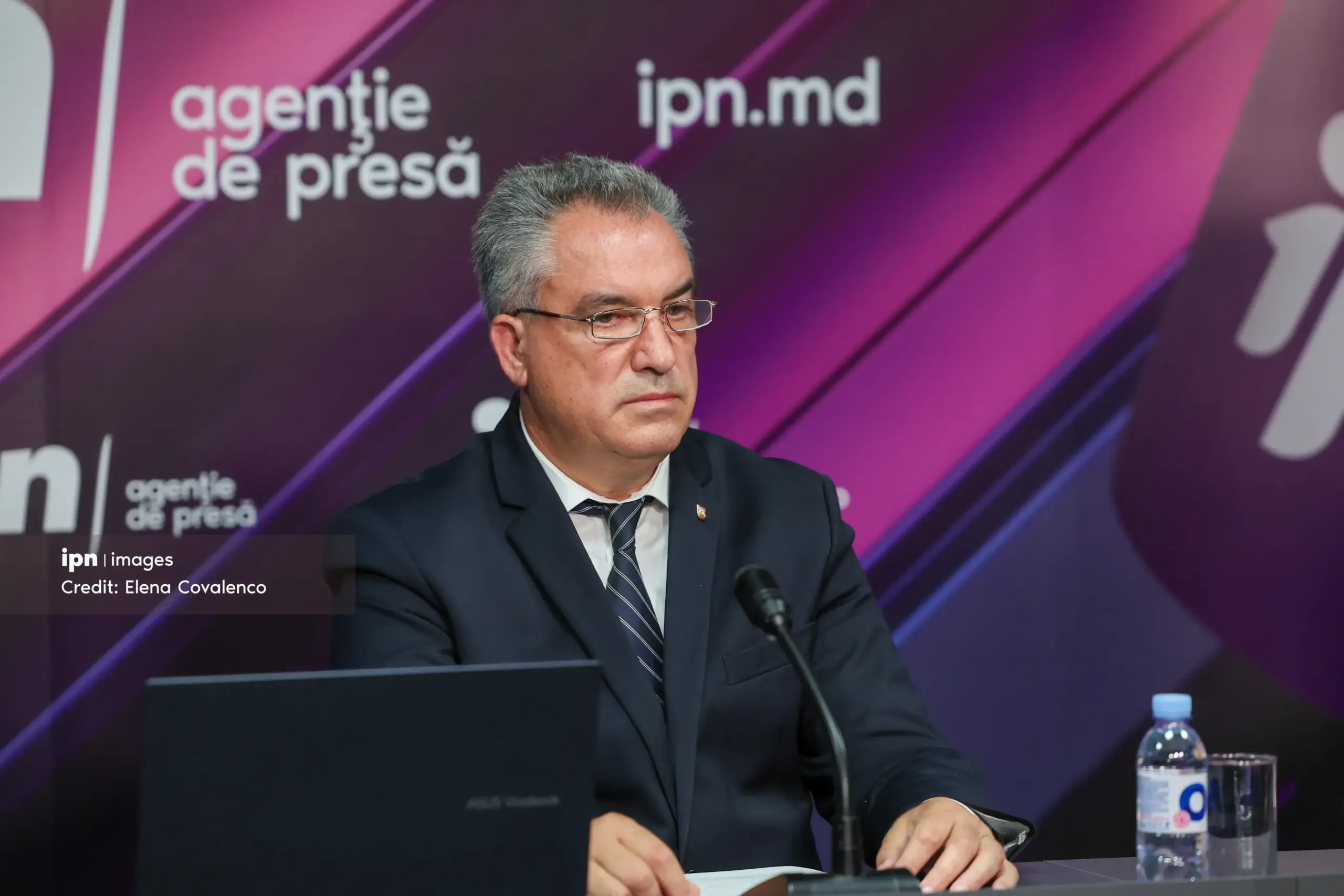
The expansion of the Ungheni municipality, following the local public administration reform, could bring in approximately 150 million lei for infrastructure projects. The city’s mayor, Vitalie Vrabie, maintains that the reform will enable the improvement of public services and the strengthening of ties between the city and rural localities. This statement was made during a public debate titled “Cities after the Local Public Administration Reform: New opportunities, new challenges and development prospects”, organized by the IPN news agency.
Vitalie Vrabie noted that, following the amalgamation, the population of Ungheni municipality will increase from approximately 26,500 to 42,300. The new administrative structure will encompass 20 localities involved in the process alongside the nine mayor’s offices.
According to him, one of the local administration’s priorities will be to upgrade the roads connecting the villages to the city. Many residents of these communities travel to Ungheni daily to access education, shopping and notarial services, as well as cultural and sporting activities. At the same time, the authorities also plan to improve infrastructure in rural communities.
“For our city, this amounts to approximately 150 million lei, which will be allocated to infrastructure projects”, Vitalie Vrabie said, referring to the second financial incentive provided for under the municipal amalgamation process.
The mayor acknowledges that the reform may cause concern among residents, particularly in rural communities, where people fear the changes the new administrative structure could bring. “People have certain fears, and those fears are understandable, because this is something new. No one wants to lose what they already know, what they have and cherish. That is why we are approaching this process with great caution”, the mayor said.
At the same time, Vitalie Vrabie believes that expanding the municipality and increasing the number of service users will strengthen the financial position of municipal enterprises. Serving a larger population could make it possible to maintain current rates or even lower them, without placing an additional burden on village residents.
Disclaimer: This material was developed by the IPN Press Agency, within the project “APL reform in dialogue”, financed by the Ministry of Culture from the Media Subsidy Fund.
