

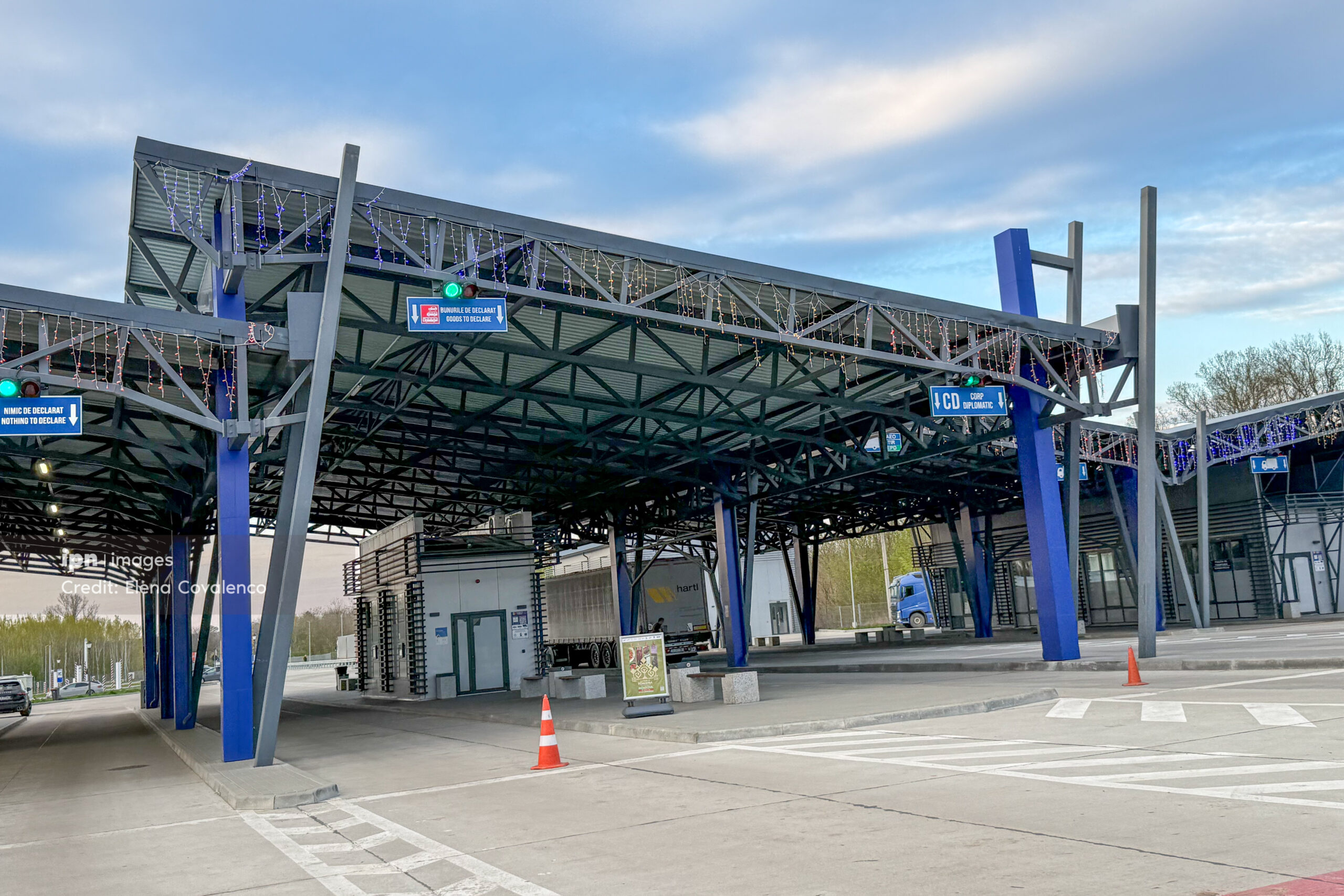
Electronic identification system for economic operators and revised customs rules

Customs procedures will be digitalized, and businesses will face fewer formalities when importing goods. The government has approved amendments to the Customs Code that provide for the introduction of an electronic system for identifying economic operators and revised customs control rules, IPN reports.

More specifically, the proposal provides for the introduction of the electronic EORI system, through which businesses will be registered and assigned unique identification numbers. The system will enable the electronic management of customs authorisations, applications and decisions, while facilitating the exchange of information between the Customs Service and businesses and reducing the use of paper documents.

The rules governing the declaration of goods, the issuance of authorisations and the payment of import duties will also be revised. Customs controls will be modernised by introducing self-assessment mechanisms and strengthening risk analysis.

The changes also cover the transport and temporary storage of goods, including the submission of entry summary declarations. The rules governing special customs procedures will also be updated, along with the procedures for obtaining authorised economic operator status and claiming repayment of import duties.

According to the authorities, the changes aim to cut red tape, facilitate international trade, and create a more predictable business environment.

0 FacebookTwitterPinterestEmail


Electronic identification system for economic operators and revised customs rules

Customs procedures will be digitalized, and businesses will face fewer formalities when importing goods. The government has approved amendments to the Customs Code that provide for the introduction of an electronic system for identifying economic operators and revised customs control rules, IPN reports.

More specifically, the proposal provides for the introduction of the electronic EORI system, through which businesses will be registered and assigned unique identification numbers. The system will enable the electronic management of customs authorisations, applications and decisions, while facilitating the exchange of information between the Customs Service and businesses and reducing the use of paper documents.

The rules governing the declaration of goods, the issuance of authorisations and the payment of import duties will also be revised. Customs controls will be modernised by introducing self-assessment mechanisms and strengthening risk analysis.

The changes also cover the transport and temporary storage of goods, including the submission of entry summary declarations. The rules governing special customs procedures will also be updated, along with the procedures for obtaining authorised economic operator status and claiming repayment of import duties.

According to the authorities, the changes aim to cut red tape, facilitate international trade, and create a more predictable business environment.


A former lawyer from Chisinau has been detained on suspicion of influence peddling after allegedly receiving €11,500 from the parent of a young man charged with drug trafficking. The suspect allegedly promised to influence public officials within the courts to secure favorable rulings in the young man’s case, IPN reports.

According to the National Anticorruption Center, the money was allegedly solicited and received in several installments. The former lawyer allegedly claimed to have influence over certain high-ranking public officials and to be able to persuade them to make favorable decisions in the criminal case.

On Wednesday, officers from the National Anticorruption Centre (CNA) searched the suspect’s home, office and car, seizing evidence relevant to the case.

The former lawyer was detained for 72 hours and placed in the National Anticorruption Centre’s detention facility. The investigation is ongoing to establish all the circumstances and identify any other individuals who may be involved in the case.

0 FacebookTwitterPinterestEmail


1 IANUARIE, 2025
1 IANUARIE, 2025