

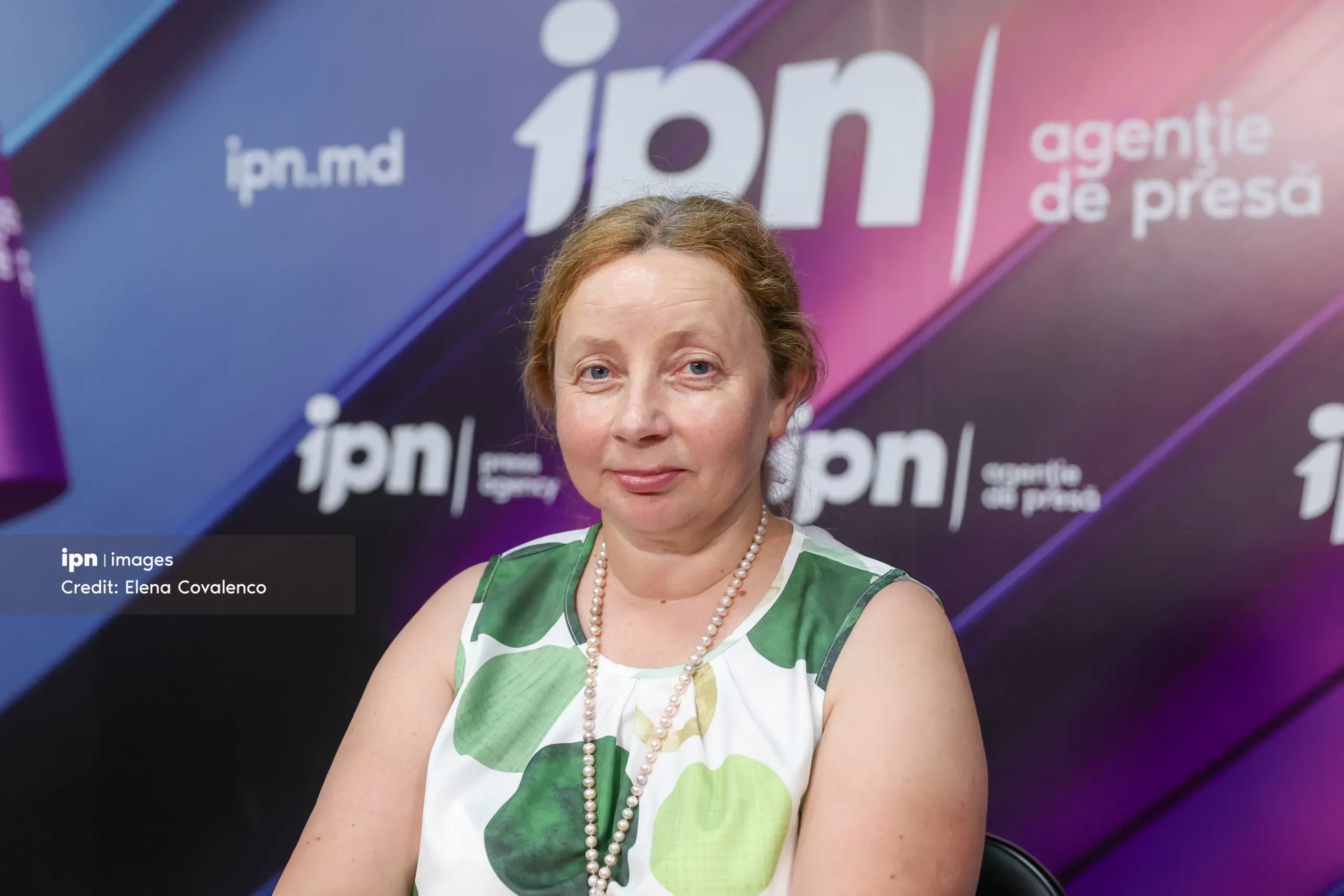
The balance of investments after amalgamation, among the concerns of the locals. Mayor: Risks can be managed

The voluntary amalgamation process of localities generates concerns among the population regarding the distribution of budgets and ensuring balanced development between communities, says the mayor of Telita commune, Rodica Russu. In an interview for IPN, the mayor clarified that these aspects were among the main concerns expressed during public consultations on the amalgamation of the Telita commune with the villages of Roscani and Calfa.

Rodica Russu mentioned that, within the framework of some local investigations, citizens expressed their concern that, in a common structure, some localities might concentrate most of the investments, while others could be left behind.

The mayor believes that these risks can be managed at the local level through coordination and joint planning mechanisms, including possible development agreements between communities. These, although without legally binding character, could function as a political and administrative commitment for a predictable distribution of investments over a five-year term.

“The population and local councils must have the certainty that there is an understanding regarding the allocation of budgets and infrastructure investments”, the mayor declared. She added that plans and strategies are being developed with clear priorities and costs, so that each locality can know the future stages of development.

According to Rodica Russu, the amalgamation model allows a flexible approach to development, including through the distribution of administrative functions and projects in various localities, depending on needs, such as infrastructure, education or community services.

In his opinion, the reform can contribute to a more balanced development, where decisions are made locally, and communities build a common vision adapted to their own needs and priorities.

Disclaimer: This material was prepared by the IPN Press Agency, within the project “Local Public Administration Reform in Dialogue”, funded by the Ministry of Culture from the Media Subsidy Fund.


Official documents issued in the Republic of Moldova and Germany may now be used in each other’s countries with only an apostille, without the need for the legalization procedure. The measure enters into force following the Federal Republic of Germany’s withdrawal of the reservation it made in 2007 when the Republic of Moldova acceded to the Hague Apostille Convention, IPN reports.

The Ministry of Foreign Affairs states that the decision was made following steps taken by Deputy Prime Minister Mihai Popsoi, Minister of Foreign Affairs, during his May 18–19 meeting with his German counterpart, Johann David Wadephul.

The ministry emphasizes that the new system will eliminate the need to visit multiple institutions or diplomatic missions to have documents legalized, which will reduce both the time required and the costs incurred by citizens. The simplified procedure will apply to official documents such as birth, marriage, divorce, and death certificates, criminal records, academic diplomas, and diploma supplements.

The Hague Convention on the Apostille entered into force for the Republic of Moldova on March 16, 2007. With its implementation in relations with Germany, the Republic of Moldova will benefit from the same simplified procedure for the recognition of official documents as it does with all 130 states and entities that are parties to the convention.

0 FacebookTwitterPinterestEmail


The balance of investments after amalgamation, among the concerns of the locals. Mayor: Risks can be managed

The voluntary amalgamation process of localities generates concerns among the population regarding the distribution of budgets and ensuring balanced development between communities, says the mayor of Telita commune, Rodica Russu. In an interview for IPN, the mayor clarified that these aspects were among the main concerns expressed during public consultations on the amalgamation of the Telita commune with the villages of Roscani and Calfa.

Rodica Russu mentioned that, within the framework of some local investigations, citizens expressed their concern that, in a common structure, some localities might concentrate most of the investments, while others could be left behind.

The mayor believes that these risks can be managed at the local level through coordination and joint planning mechanisms, including possible development agreements between communities. These, although without legally binding character, could function as a political and administrative commitment for a predictable distribution of investments over a five-year term.

“The population and local councils must have the certainty that there is an understanding regarding the allocation of budgets and infrastructure investments”, the mayor declared. She added that plans and strategies are being developed with clear priorities and costs, so that each locality can know the future stages of development.

According to Rodica Russu, the amalgamation model allows a flexible approach to development, including through the distribution of administrative functions and projects in various localities, depending on needs, such as infrastructure, education or community services.

In his opinion, the reform can contribute to a more balanced development, where decisions are made locally, and communities build a common vision adapted to their own needs and priorities.

Disclaimer: This material was prepared by the IPN Press Agency, within the project “Local Public Administration Reform in Dialogue”, funded by the Ministry of Culture from the Media Subsidy Fund.


Maritime schools could be opened in Moldova following the full transposition of relevant European legislation. The statement was made by Deputy Prime Minister Vladimir Bolea, Minister of Infrastructure and Regional Development, who noted that there is growing interest in such programs, including from Ukrainian citizens affected by the war, according to IPN.

Vladimir Bolea stated that the new regulations will allow seaman’s books to be issued based on studies completed in the Republic of Moldova at authorized institutions.

The minister told the press that, at present, no ships are sailing under the flag of the Republic of Moldova, but the authorities are working to transpose European legislation and develop the legal framework necessary for the development of this sector.

According to him, the state and the Naval Agency could generate significant revenue both from ships sailing under the Moldovan flag and from institutions that train seafarers.

0 FacebookTwitterPinterestEmail


1 IANUARIE, 2025
1 IANUARIE, 2025