




Moldova remains a malaria-free country, but the risk persists through imported cases. Last year, five cases were recorded in people who traveled to endemic areas, and population mobility could favor the reintroduction of the disease. The data is presented by the National Agency for Public Health in the context of World Malaria Day, marked annually on April 25, reports IPN.
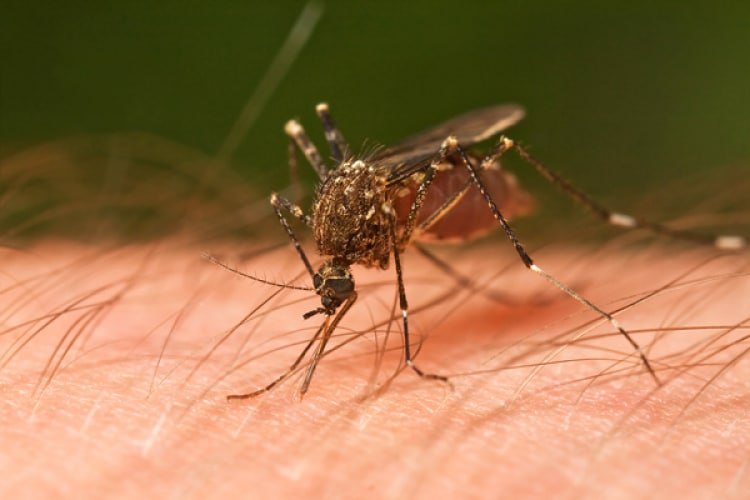
According to ANSP, malaria is a parasitic disease transmitted through the bite of infected Anopheles mosquitoes. The disease is not transmitted directly from one person to another, however, in the absence of prompt treatment, it can quickly evolve into severe forms and even death. Initial symptoms include fever, chills, and headaches, often confused with other febrile conditions.
According to global data, in the year 2024 there were approximately 282 million cases of malaria and about 610 thousand deaths in 80 countries. The African Region accounts for approximately 95% of the disease burden, and children under 5 years old represent the most affected group.
According to authorities, to date, 47 countries have been certified as being malaria-free, and the implementation of vaccines contributes to the protection of millions of children annually.
According to the World Malaria Report 2025, global progress is threatened by biological, systemic, humanitarian, and environmental factors. Achieving the goal of malaria elimination requires consolidated investments in health, effective policies, community involvement, and continuous medical innovations.
ANSP recommends that people traveling to endemic areas consult a doctor for antimalarial prophylaxis, and use protection against mosquitoes. Also, it is essential to seek immediate medical assistance if symptoms appear, which can manifest between a week and two years after returning.
