

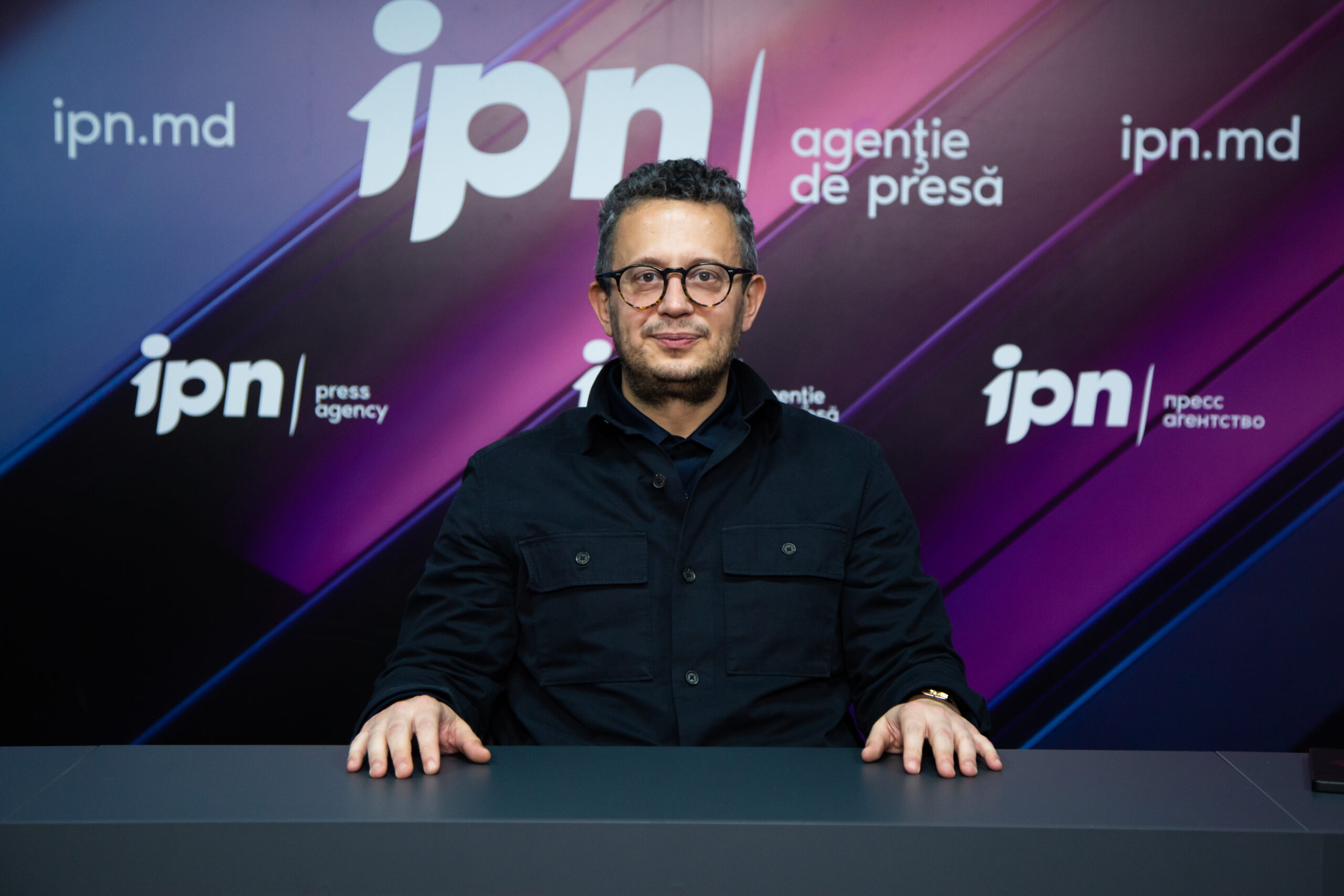
Vadim Pistrinciuc: Artificial intelligence heightens the risks of disinformation and manipulation

Technology is evolving rapidly, and cyberattacks, disinformation campaigns and attempts at manipulation are becoming increasingly sophisticated. To counter these threats, the Republic of Moldova must strengthen its cyber defence capabilities and invest in digital literacy for its citizens. In an interview with IPN, Vadim Pistrinciuc, Executive Director of the Institute for Strategic Initiatives, discussed the risks facing the country and the measures needed to build a more resilient society.

According to the expert, since the outbreak of the war in Ukraine, information operations have become more complex and varied, and more resources have been devoted to influencing Moldovan society. While these efforts previously relied primarily on funding political parties and media outlets, digital tools and online marketing specialists now play an increasingly important role.

Vadim Pistrinciuc also highlighted the risks associated with the use of artificial intelligence in cyberattacks and manipulation campaigns. According to him, tasks that once required time and specialist expertise to develop applications and carry out operations can now be automated and performed faster and on a much larger scale.

Commenting on the recent cyberattack, which authorities said targeted the data of around 750,000 people, the executive director of the Institute for Strategic Initiatives stressed the need for clear communication from the institutions responsible. Citizens need to receive information and explanations from experts, not just political interpretations of such incidents.

In his view, the Republic of Moldova, with its limited resources, must invest in strengthening cybersecurity and attracting highly skilled professionals. At the same time, the authorities should make greater use of expertise from outside public institutions through partnerships and collaborative platforms, and develop security systems capable of keeping pace with technological advances.

Disclaimer: This material was produced by the IPN News Agency. The project “Europe Close By: Information, Dialogue and Cooperation” is funded by the Department for Relations with the Republic of Moldova and implemented by the IPN News Agency. The content of this material does not reflect the official position of the Department for Relations with the Republic of Moldova.


Deputy Prime Minister and Minister of Foreign Affairs Mihai Popsoi is paying a working visit to the Kingdom of the Netherlands on October 28-29. The head of Moldovan diplomacy will meet with Dutch officials to discuss bilateral cooperation and support for the Republic of Moldova’s European integration, IPN reports.

According to the Ministry of Foreign Affairs, Mihai Popsoi will meet with his counterpart, Tom Berendsen, and the Speaker of the House of Representatives, Thom van Campen.

The official from Chisinau will also hold talks with members of Parliament’s Foreign Affairs Committee and European Affairs Committee.

The meetings will focus on Moldovan–Dutch cooperation, support for the Republic of Moldova’s path towards EU membership, and the development of economic and investment partnerships, including in the security sector.

During his visit, Mihai Popsoi will hold talks with experts from the Hague Institute for Geopolitics and the Hague Centre for Strategic Studies.

0 FacebookTwitterPinterestEmail


Vadim Pistrinciuc: Artificial intelligence heightens the risks of disinformation and manipulation

Technology is evolving rapidly, and cyberattacks, disinformation campaigns and attempts at manipulation are becoming increasingly sophisticated. To counter these threats, the Republic of Moldova must strengthen its cyber defence capabilities and invest in digital literacy for its citizens. In an interview with IPN, Vadim Pistrinciuc, Executive Director of the Institute for Strategic Initiatives, discussed the risks facing the country and the measures needed to build a more resilient society.

According to the expert, since the outbreak of the war in Ukraine, information operations have become more complex and varied, and more resources have been devoted to influencing Moldovan society. While these efforts previously relied primarily on funding political parties and media outlets, digital tools and online marketing specialists now play an increasingly important role.

Vadim Pistrinciuc also highlighted the risks associated with the use of artificial intelligence in cyberattacks and manipulation campaigns. According to him, tasks that once required time and specialist expertise to develop applications and carry out operations can now be automated and performed faster and on a much larger scale.

Commenting on the recent cyberattack, which authorities said targeted the data of around 750,000 people, the executive director of the Institute for Strategic Initiatives stressed the need for clear communication from the institutions responsible. Citizens need to receive information and explanations from experts, not just political interpretations of such incidents.

In his view, the Republic of Moldova, with its limited resources, must invest in strengthening cybersecurity and attracting highly skilled professionals. At the same time, the authorities should make greater use of expertise from outside public institutions through partnerships and collaborative platforms, and develop security systems capable of keeping pace with technological advances.

Disclaimer: This material was produced by the IPN News Agency. The project “Europe Close By: Information, Dialogue and Cooperation” is funded by the Department for Relations with the Republic of Moldova and implemented by the IPN News Agency. The content of this material does not reflect the official position of the Department for Relations with the Republic of Moldova.


The Council of the European Union has approved an additional €230 million in funding for Ukraine through the European Peace Facility (EPF). The Council also authorised partial reimbursement under the same mechanism to member states for military aid already provided to Kyiv, worth more than €4 billion in total, IPN reports.

This puts into effect the political agreement reached last month by EU member states to allocate €6.6 billion to Ukraine through the European Peace Facility (EPF). The agreement provided for an additional €1 billion in military aid to Ukraine, as well as strengthening the EU Military Assistance Mission for 2027.

With this €230 million in funding, total EU support for Kyiv through this mechanism reaches €10.8 billion, of which nearly €10 billion covers reimbursements for military equipment supplied to Ukraine by EU member states.

0 FacebookTwitterPinterestEmail


1 IANUARIE, 2025
1 IANUARIE, 2025