
The serviceman who injured himself with his service weapon has passed away. Announcement from the Ministry of Defense

The serviceman of the National Army, who was injured by gunshot on Tuesday, passed away on Saturday night at the hospital. The announcement was made by the Ministry of Defense, reports IPN.

The Ministry of Defense has stated that it will provide support for the organization of the military funeral and has expressed condolences to his family.

The young man, aged 24, has been serving his military service by contract in the National Army since 2020.

The incident occurred on January 20th. Since then, the soldier has been hospitalized in serious condition at the Florești District Hospital. The Ministry of Defense reported that the soldier was injured by shooting with his service weapon.
One of the most frequently used topics in the disinformation campaigns in the Republic of Moldova in recent years has been that of migrants. Especially during election periods or in the context of the process of joining the European Union, public space is often filled with statements claiming that the country is set to receive tens or hundreds of thousands of migrants from Africa or Asia, that these people will benefit from housing and allowances from public funds, or that Brussels would force Chisinau to accept migrants relocated from EU states. However, checking official documents, legislation and public data shows that these statements are completely false.

What does “migrant” actually mean?

One of the main sources of confusion is indeed the term “migrant”, often used as a synonym for “refugee” or “asylum seeker”, even though they represent different notions.

The migrant is that person who changes their country of residence, regardless of whether they do it for work, studies, family reunification or other reasons. The refugee is the person who flees because of war, persecution, or violence and benefits from international protection. The asylum seeker is the person who requests this form of protection, and their request is to be examined by the authorities.

In the Republic of Moldova, all these categories of people exist, however, they are regulated differently by national and international legislation.

Myth No. 1: “Moldova is invaded by migrants”

This is probably the most widespread narrative in recent years. Especially on social networks, messages have circulated suggesting that the authorities are preparing to bring hundreds of thousands of migrants from Africa or Asia to the Republic of Moldova.

In reality, there is no decision by the Moldovan authorities or the European Union that foresees the mass relocation of migrants to the Republic of Moldova. Organizations specialized in combating disinformation, such as the Center for Strategic Communication and Counteracting Disinformation – STRATCOM or the Stopfals! project of the Independent Press Association have published detailed analyses that show exactly how this information was invented or taken out of context.

For instance, the idea that the pro-European government is secretly bringing in 300 thousand migrants from Asia to replace the population has massively spread on Telegram and TikTok channels.

The experts from Stopfals.md have demonstrated how the figure of 300 thousand was distortedly taken from an economic broadcast on the Moldova 1 television station. The Minister of Economic Development was speaking purely theoretically about the structural labor deficit needed for Moldova’s economy to reach the productivity of the EU.

At the same time, the Republic of Moldova continues to be more of a country from which people emigrate rather than one where immigration is massive. Even in the context of the war in Ukraine, many of the refugees have used Moldova as a transit country, and those who remain benefit from a special temporary protection regime, which allows them to live legally, work and benefit from medical and educational services. According to official data, tens of thousands of people are registered in this program. The funds allocated to them come largely from the European Union, the UN Refugee Agency, the International Federation of Red Cross and Red Crescent Societies, and the governments of partner countries.

Myth No. 2: “Migrants get houses, money and privileges”

Another frequently encountered message is the one suggesting that people coming from other countries receive free housing, salaries or allowances larger than the citizens of the Republic of Moldova.

In reality, the legislation does not provide such benefits from the state. Individuals who apply for asylum or benefit from temporary protection can only receive the minimum necessary assistance for survival, such as temporary accommodation, access to basic medical services, and humanitarian support. These measures are provided for by international conventions on refugee protection and do not represent permanent privileges. Moreover, a large part of the support is provided by international organizations such as UN agencies or the International Federation of Red Cross and Red Crescent Societies.

In the case of foreign workers coming to the Republic of Moldova, they are employed based on individual work contracts and are paid by employers, not from state aid. Moreover, as we are talking about official incomes, taxes and duties on the salaries of foreign workers go directly to the state budget.

Myth No. 3: “The European Union forces Moldova to accept migrants”

This statement periodically appears in political discourse and in posts shared on social networks.

In reality, neither the Association Agreement with the European Union nor the accession process contain provisions that force the Republic of Moldova to accept migrants relocated from other member states.

Mai multe falsuri privind presupuse planuri ale UE de a trimite migranți în Republica Moldova au fost demontate în ultimii ani de platformele de fact-checking, Stop Fals!, PressCheck și MediaCritica.

Myth No. 4: “Migrants bring crime”

Another common stereotype often encountered is the automatic association between migration and the increase in crime.

Specialists in the field of migration draw attention – and official reports and databases from the General Inspectorate for Migration and the Ministry of Internal Affairs underline – that such a connection cannot be made in the absence of statistical data to demonstrate this. Individuals legally residing on the territory of the Republic of Moldova are subject to the same laws and are criminally liable under the same conditions as any other person.

In the case of refugees or asylum seekers, security checks and administrative procedures are mandatory before granting a legal status.

Why does Moldova need foreign workers?

In recent years, the labor shortage has led an increasing number of companies in the Republic of Moldova to recruit employees from Asian countries, such as India, Nepal, Bangladesh or Sri Lanka.

These people are not refugees nor asylum seekers. They come based on legal work permits, pay taxes and contributions, and work in fields such as construction, food industry, agriculture, logistics or HoReCa.

According to official reports issued by the National Agency for Employment, the labor force demand in the Republic of Moldova is increasing, against the backdrop of population emigration and aging. The ANOFM database consistently records a fluctuating average of 10 thousand – 12 thousand vacant jobs at the national level. Over 60% of the total jobs declared by employers are concentrated in the municipality of Chisinau, followed by Balti and Ungheni district.

This very deficit is sometimes falsely presented as a “population replacement” plan. On social networks (especially on TikTok and Telegram), clips have gone viral claiming that the government has a secret plan to bring in 300 thousand immigrants from Asia. On the same platforms, narratives are spread that claim “Moldovans are intentionally driven out of the country through high prices and poverty” so that their geographic space can be offered to foreign cultures, considered cheaper and easier to control.

Why are these narratives used?

The disinformation combat experts from the WatchDog.md Community have repeatedly drawn attention to the fact that anti-immigration narratives are a main pillar of political propaganda. The subject of migration being one of the most effective for generating fear and social polarization.

In the Republic of Moldova, narratives about migrants have consistently reappeared before elections or at key moments in the European journey. In recent years, there have been distributed falsehoods about alleged migrant camps, the relocation of refugees from EU states, the obligation of the Republic of Moldova to accept migrant quotas or the granting of special privileges to foreigners.

An analysis published by the Institute for European Policies and Reforms (IPRE) shows that disinformation about alleged privileges granted to foreigners is part of the tactics of manipulating public opinion, whose aim is to discredit the state institutions and European partnerships of the Republic of Moldova.

Conclusion

Official data and legislation show that the Republic of Moldova is not facing a wave of illegal migration, nor is there evidence that the European Union would force the authorities in Chisinau to accept relocated migrants.

To avoid misinformation, here are the institutions and organizations from which you can obtain real and verified data:

https://youtube.com/shorts/i3TisPJ4D3U?si=Ex9dfKMwePxzWt5A

0 FacebookTwitterPinterestEmail


The serviceman who injured himself with his service weapon has passed away. Announcement from the Ministry of Defense

The serviceman of the National Army, who was injured by gunshot on Tuesday, passed away on Saturday night at the hospital. The announcement was made by the Ministry of Defense, reports IPN.

The Ministry of Defense has stated that it will provide support for the organization of the military funeral and has expressed condolences to his family.

The young man, aged 24, has been serving his military service by contract in the National Army since 2020.

The incident occurred on January 20th. Since then, the soldier has been hospitalized in serious condition at the Florești District Hospital. The Ministry of Defense reported that the soldier was injured by shooting with his service weapon.
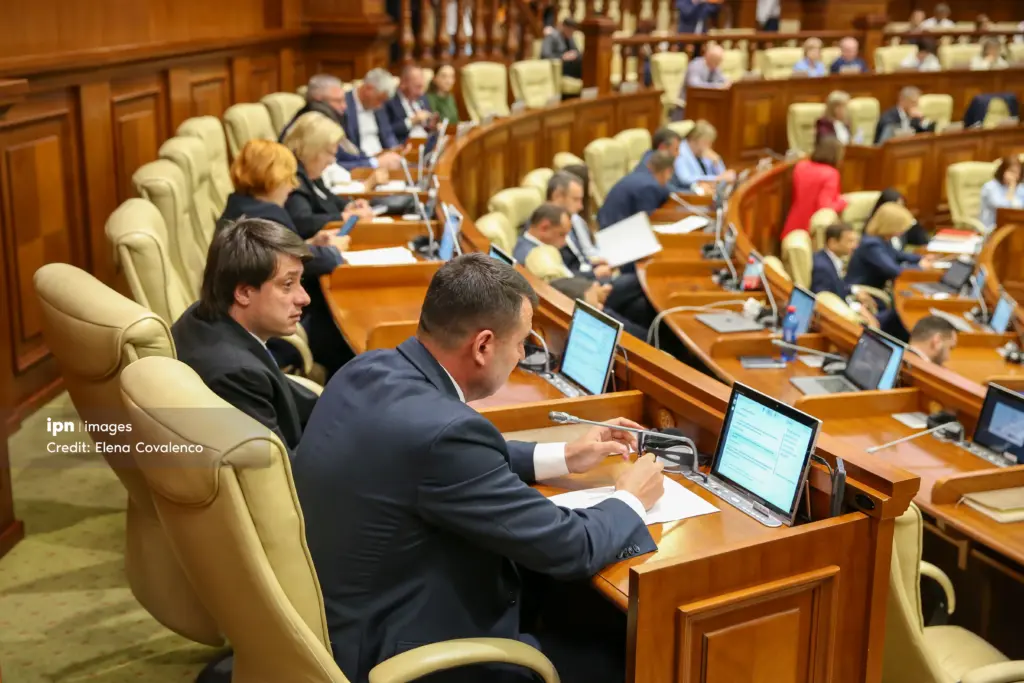

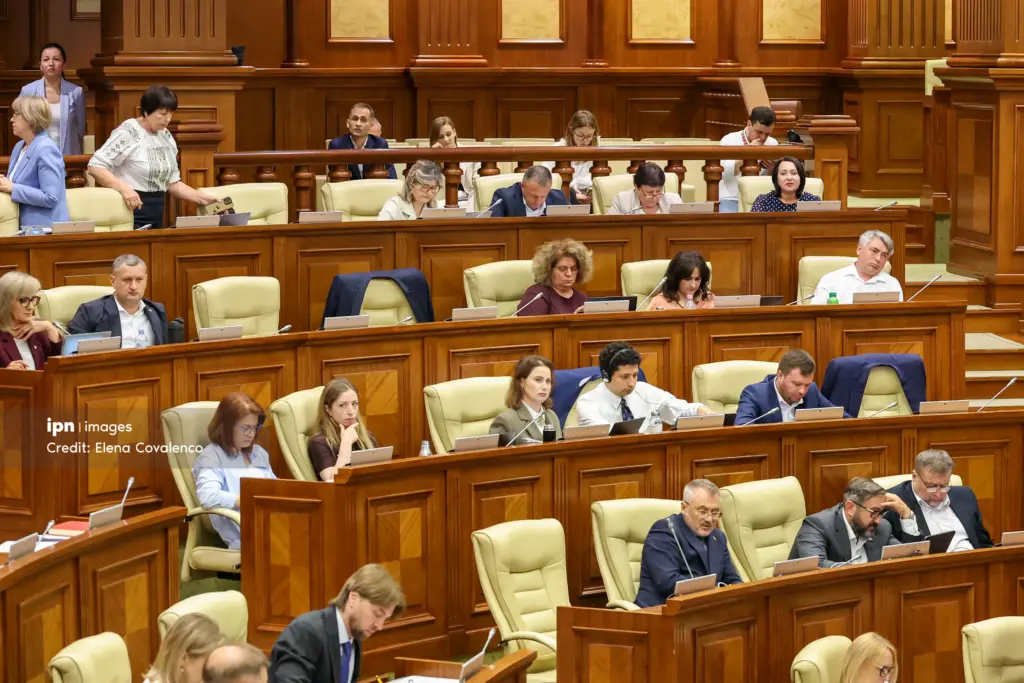
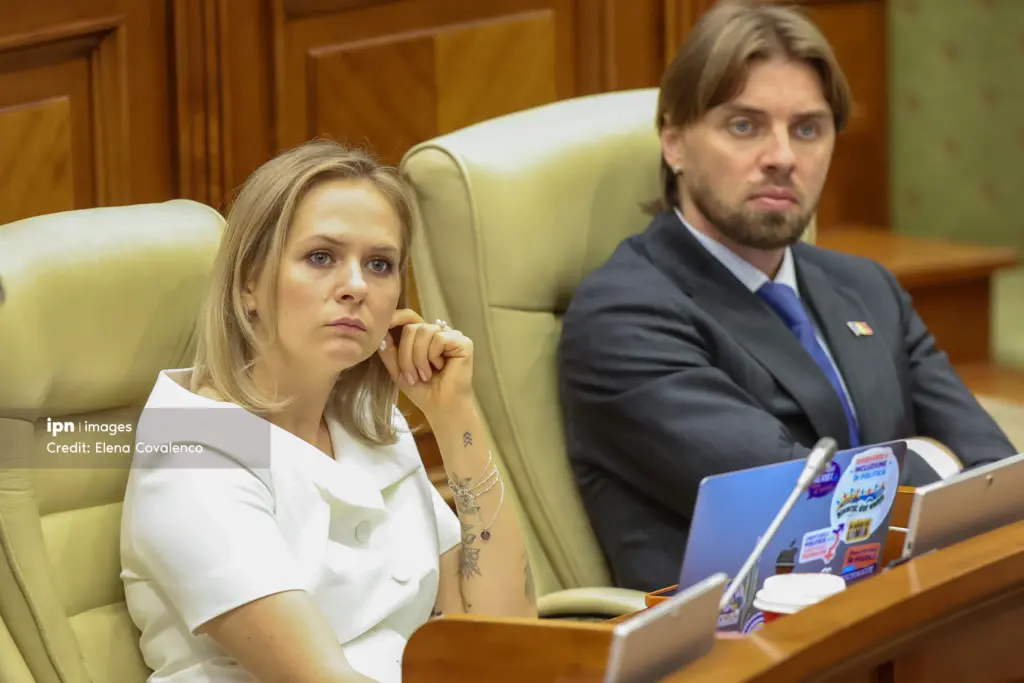
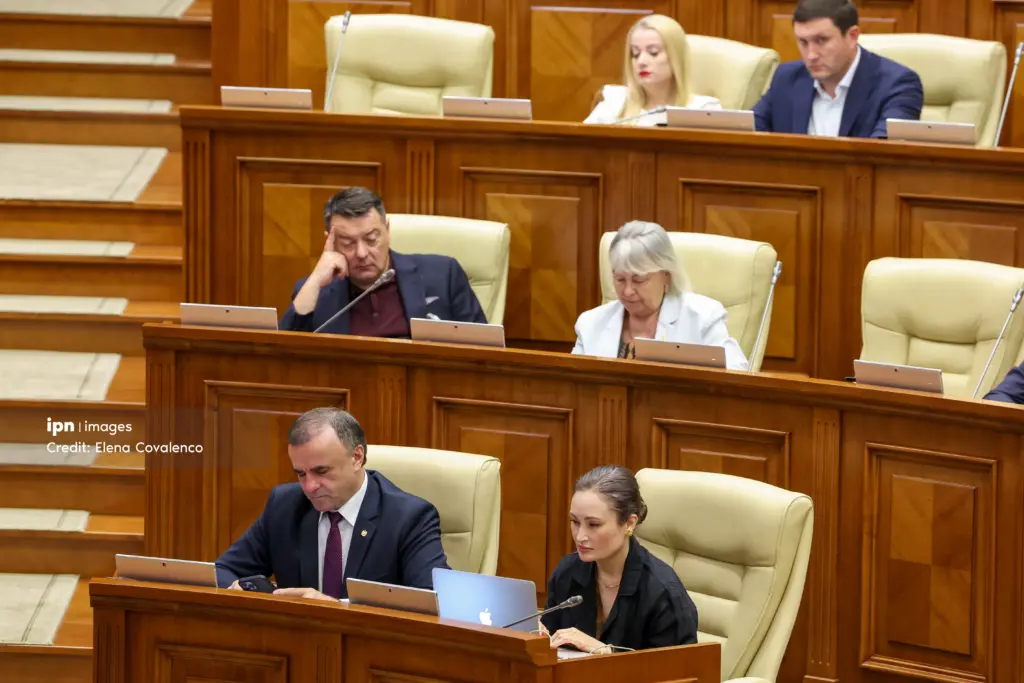
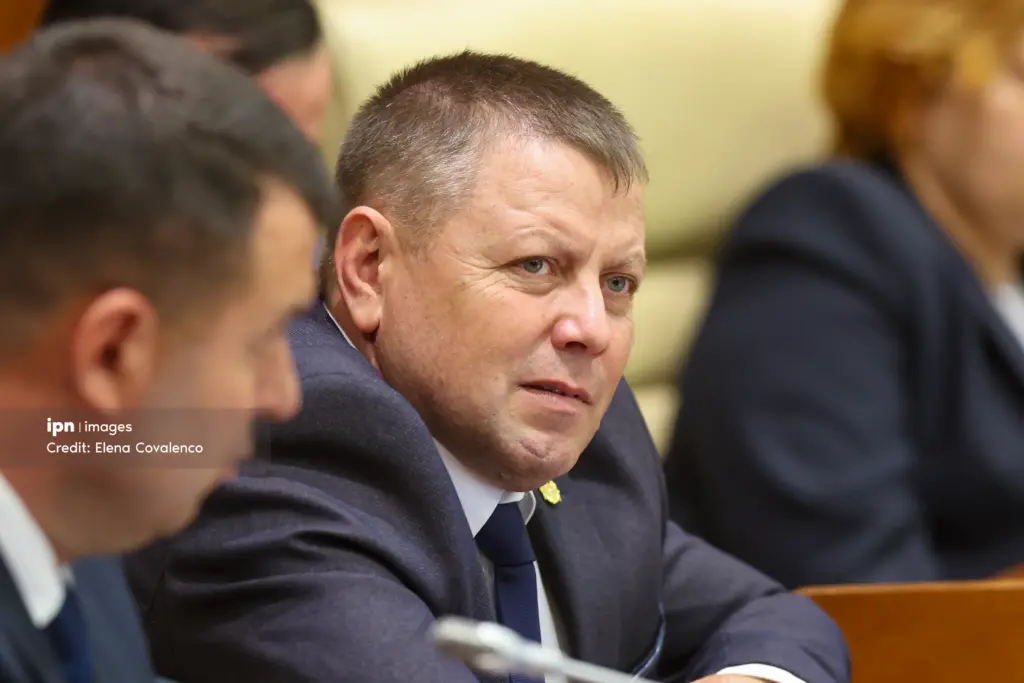
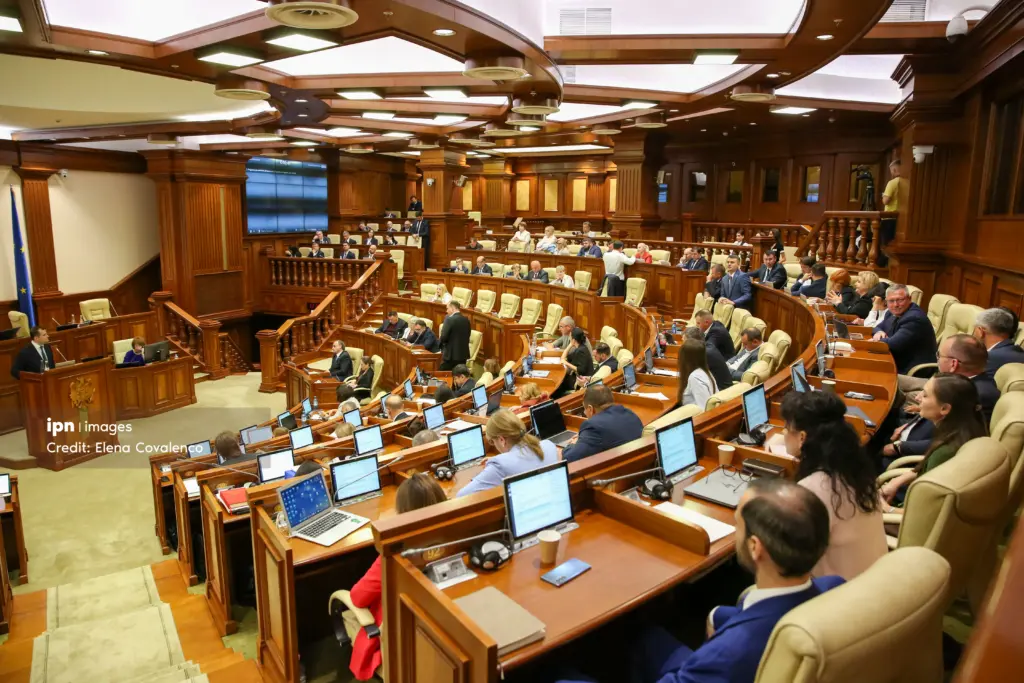
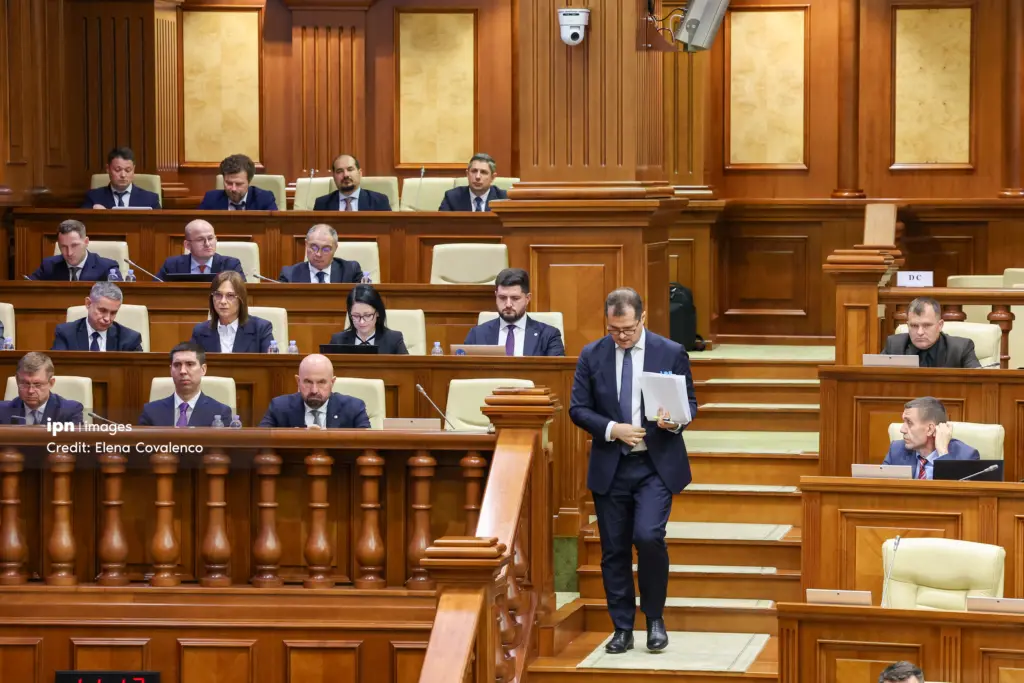
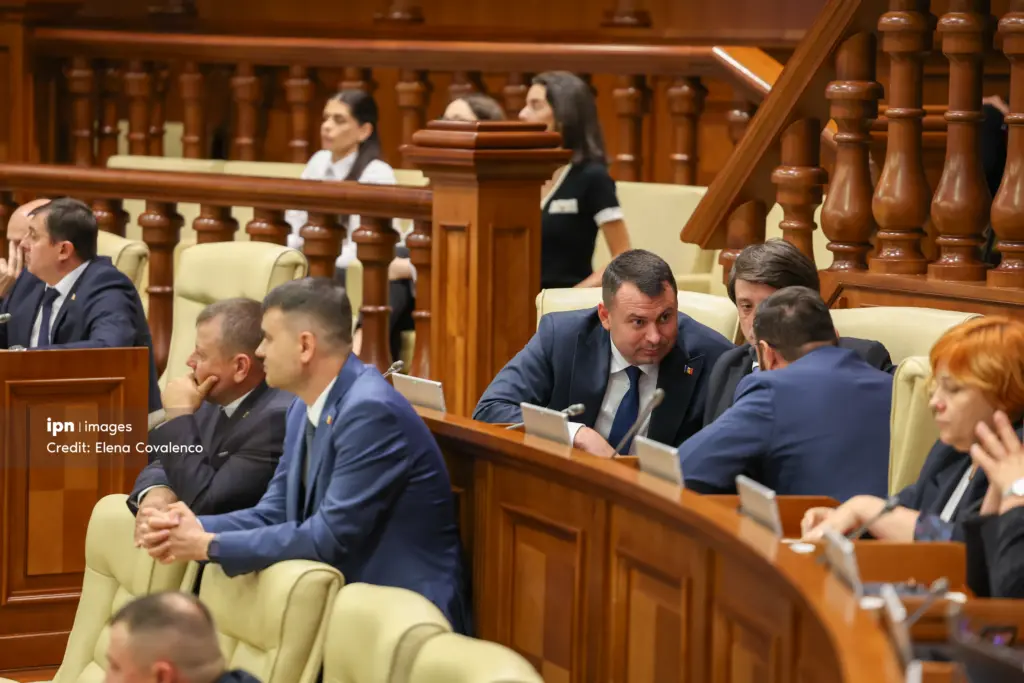
The Parliament decides today whether to grant a vote of confidence to the Government proposed by the designated Prime Minister Vasile Tofan and his governance program. He presented the executive’s priorities and the team of ministers in the plenary, ahead of the deputies’ vote, reports IPN.

At the beginning of the plenary session, 96 out of the total 101 elected deputies registered their presence.

Vasile Tofan ascended to the podium of the Parliament at 11:13 AM. The designated Prime Minister’s speech lasted almost an hour. During this time, Vasile Tofan presented the main objectives of the government program “European Economy, Efficient State”, insisting on economic reforms, accelerating the process of joining the European Union, supporting the business environment, and streamlining public administration.

After the presentation of the program and the governmental team, the meeting continued with a question and answer session, during which the deputies addressed questions to the designated prime minister regarding the composition of the cabinet of ministers, the priorities of the executive and the reforms he intends to promote.

After more than six hours of questions and answers, the Vice President of Parliament and leader of the PAS faction, Doina Gherman, requested the application of the provisions of Article 108 of the Parliament’s Regulations, ending the question and answer session addressed to the designated Prime Minister and members of the proposed cabinet. After the debates are concluded, the Parliament is set to vote on the government program and the composition of the Government. For the investiture of the new cabinet, the vote of the majority of elected deputies is necessary.

0 FacebookTwitterPinterestEmail


1 IANUARIE, 2025
1 IANUARIE, 2025