




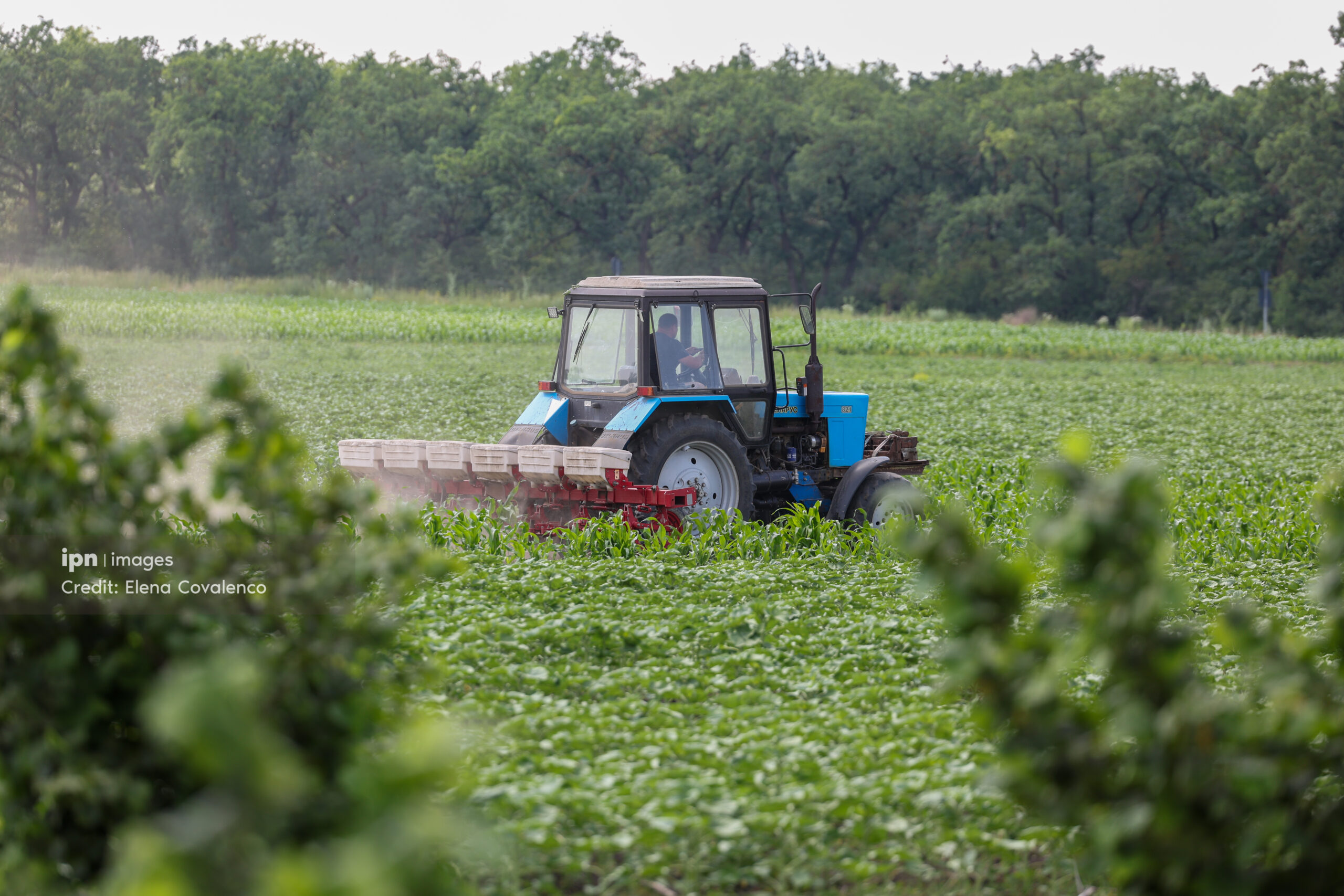
The purified wastewater could become an additional source of water for irrigation in agriculture, especially during drought periods. According to a study conducted by the Ministry of Environment together with the Stockholm Environment Institute, the reuse of this resource in certain regions could have a significant impact on agriculture, reports IPN.
According to the results obtained in the Cahul, Cantemir, and Causeni districts, the use of purified water could lead to an increase of approximately 40% in irrigated areas. The study shows that this resource could be integrated into existing irrigation systems, providing additional water volumes during critical periods for agriculture. At the same time, the authors emphasize that the use of purified water could contribute to maintaining agricultural production and reducing losses caused by drought.
For the implementation of these solutions, several interventions are analyzed, including the modernization of treatment stations, the construction of storage basins, the expansion of transport networks, and the strengthening of water quality monitoring systems.
According to authorities, the reuse of treated water aligns with the principles of circular economy and could transform this resource into a viable alternative for agriculture, contributing to the adaptation of the Republic of Moldova to the effects of climate change.
