

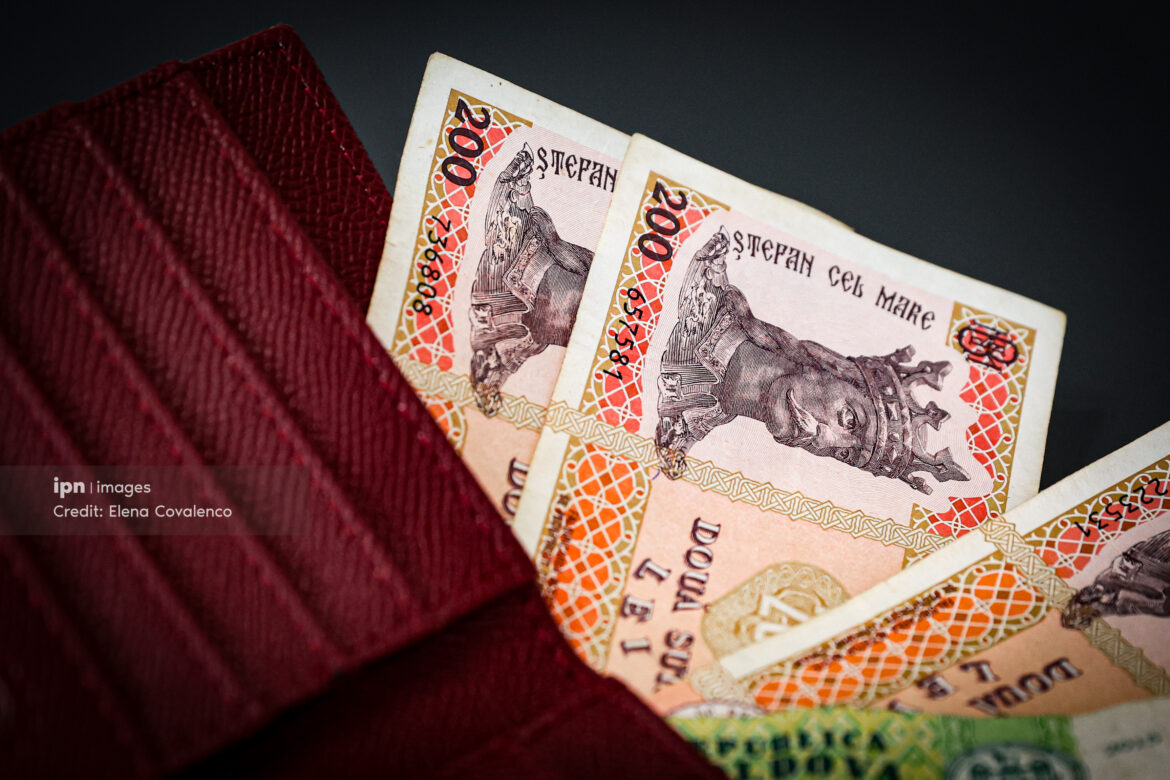
Promo-LEX proposes that the state pay the compensation awarded by the European Court of Human Rights to victims of abuses in the Transnistrian region

Promo-LEX proposes that the Republic of Moldova pay the compensation awarded by the European Court of Human Rights (ECtHR) to victims of human rights violations in the Transnistrian region, and subsequently recover the funds from the Russian Federation. According to the association, more than 1,800 people are awaiting compensation totalling approximately €7.23 million, which Moscow refuses to pay, IPN reports.

In this context, the Promo-LEX Association is calling on the Government to approve a draft law and submit it to Parliament by the end of December. The association explained that the funds would be recovered primarily by offsetting them against the Republic of Moldova’s sovereign debt to the Russian Government. Promo-LEX stressed that compensating the victims would not constitute an acknowledgment of the Republic of Moldova’s responsibility for the violations found by the Court. The Russian Federation’s obligation would remain in place, and the Republic of Moldova would become its creditor.

Vadim Vieru, a lawyer and associate expert at Promo-LEX, noted that some of the applicants had won their cases before the European Court of Human Rights as far back as 2012, yet have still not received their compensation. He stressed that the Russian Federation will not voluntarily pay the sums owed, and that many of those entitled to compensation are already elderly.

According to him, state intervention would show victims that the authorities support them and send a message to other states that commitments made in Strasbourg must be honoured, regardless of how powerful the state violating them may be. The lawyer also stressed that the proposed solution is lawful and can be funded from the public budget.

Among those who have won their cases before the European Court of Human Rights are a group of more than 1,600 landowners from Dubăsari district who have been denied access to their land beyond the road to Râbnița since 2004, and another group of more than 180 pupils, parents and teachers from schools that use the Latin script. A journalist convicted of “espionage” and a young man with asthma who was denied medical treatment after being detained are also entitled to compensation.


The price of liquefied petroleum gas at filling stations across the Republic of Moldova has risen by more than 2.5 lei per litre over the past month, approaching the 18-lei mark, IPN reports.

While a litre of LPG cost around 15.40 lei a month ago, the price has now risen to 17.99 lei—an increase of approximately 17% in just one month.

Contacted by IPN, representatives of the National Agency for Energy Regulation explained that the LPG market operates freely, with prices determined by supply and demand. The agency therefore neither sets nor caps the price of liquefied petroleum gas.

Regarding fuel stocks, ANRE noted that, as of November 3, the reserves available in the Republic of Moldova were sufficient to meet consumption needs for approximately 13 days.

Meanwhile, petrol and diesel prices continue to fall. For Thursday, ANRE has lowered the maximum price of 95-octane petrol by 17 bani and that of standard diesel by eight bani. Petrol will therefore cost no more than 31.01 lei per litre, while diesel will be capped at 36.10 lei per litre.

0 FacebookTwitterPinterestEmail


Promo-LEX proposes that the state pay the compensation awarded by the European Court of Human Rights to victims of abuses in the Transnistrian region

Promo-LEX proposes that the Republic of Moldova pay the compensation awarded by the European Court of Human Rights (ECtHR) to victims of human rights violations in the Transnistrian region, and subsequently recover the funds from the Russian Federation. According to the association, more than 1,800 people are awaiting compensation totalling approximately €7.23 million, which Moscow refuses to pay, IPN reports.

In this context, the Promo-LEX Association is calling on the Government to approve a draft law and submit it to Parliament by the end of December. The association explained that the funds would be recovered primarily by offsetting them against the Republic of Moldova’s sovereign debt to the Russian Government. Promo-LEX stressed that compensating the victims would not constitute an acknowledgment of the Republic of Moldova’s responsibility for the violations found by the Court. The Russian Federation’s obligation would remain in place, and the Republic of Moldova would become its creditor.

Vadim Vieru, a lawyer and associate expert at Promo-LEX, noted that some of the applicants had won their cases before the European Court of Human Rights as far back as 2012, yet have still not received their compensation. He stressed that the Russian Federation will not voluntarily pay the sums owed, and that many of those entitled to compensation are already elderly.

According to him, state intervention would show victims that the authorities support them and send a message to other states that commitments made in Strasbourg must be honoured, regardless of how powerful the state violating them may be. The lawyer also stressed that the proposed solution is lawful and can be funded from the public budget.

Among those who have won their cases before the European Court of Human Rights are a group of more than 1,600 landowners from Dubăsari district who have been denied access to their land beyond the road to Râbnița since 2004, and another group of more than 180 pupils, parents and teachers from schools that use the Latin script. A journalist convicted of “espionage” and a young man with asthma who was denied medical treatment after being detained are also entitled to compensation.


A man from Cahul has been sentenced to three years in prison, suspended for one year, for smuggling luxury cars into the Republic of Moldova from the EU and the United Kingdom. According to prosecutors, he was also ordered to pay the state 1.2 million lei, equivalent to the value of the illegally imported vehicles, IPN reports.

According to the Prosecutor’s Office for Combating Organized Crime and Special Cases, the 33-year-old man illegally imported seven luxury cars into the country, some of which had been stolen. The vehicles were brought in from the European Union and the United Kingdom, then dismantled and sold for parts.

Law enforcement officers established that the scheme was run by an organized criminal group. During the criminal investigation, the man admitted his guilt, and the Chișinău Court sentenced him to three years in prison, suspended with a one-year probation period.

PCCOCS stated that the criminal investigation is ongoing to identify and bring to justice the other individuals involved in the smuggling scheme.

0 FacebookTwitterPinterestEmail


1 IANUARIE, 2025
1 IANUARIE, 2025