

Local elections not inclusive, report

The October local elections are not inclusive, according to an analysis report published by the Civic Coalition for Free and Fair Elections umbrella organization, which shows that people with disabilities and Roma are particularly underrepresented in the electoral process.

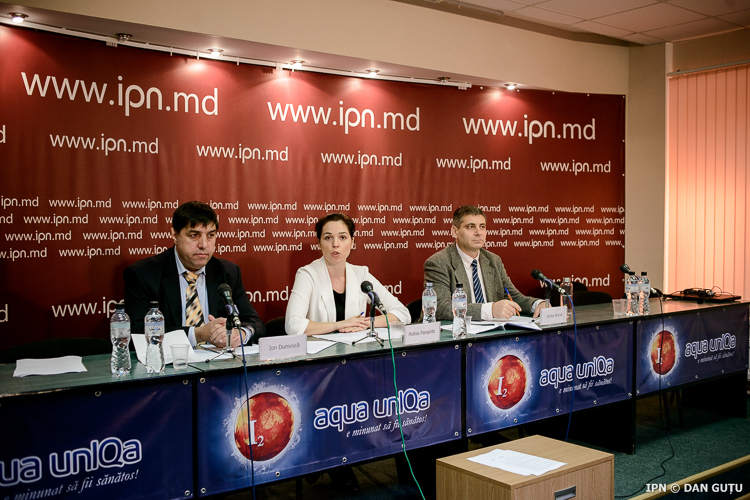
Ion Duminică, expert with the “Voice of the Roma” Coalition, told a news conference at IPN that of the total 250,000 candidates running in the local elections there are only 50 Roma ethnics, and only 16 of them are women. Ion Duminică also says that the problems faced by Roma people are not reflected in electoral competitors’ manifestos. According to Duminică, the 2015 local elections in were historic because for the first time two Roma women became local councilors.

Victor Korol, executive director of the NGO Infonet, said that there is a reduced participation among persons with disabilities as electoral competitors in the current elections. Only 11 joined the electoral battle of the total 170,000 people with disabilities living Moldova. According to Korol, people with disabilities are having difficulty accessing electoral information. The services of the only publishing house using the Braille system has not been requested by any electoral competitor. Also, only 1% of the number of polling stations ensure the infrastructural access of people with disabilities.

Polina Panainte, secretary of the Civic Coalition for Free and Fair Elections, said that the issues of these two groups of citizens, Roma people and people with disabilities, are rarely if at all addressed during meetings with voters.

The report was published as part of the project called “Civil Society’s Plea for Free and Fair Elections in Moldova, in line with EU and OSCE/ODIHR recommendations and human rights commitments.” The project is implemented by the East-European Foundation, in partnership with the Partnership Center for Development, Piligrim Demo and Tarna Rom, funded by the EU and co-financed by Sweden.

Polina Panainte despre concluziile raportului


Official documents issued in the Republic of Moldova and Germany may now be used in each other’s countries with only an apostille, without the need for the legalization procedure. The measure enters into force following the Federal Republic of Germany’s withdrawal of the reservation it made in 2007 when the Republic of Moldova acceded to the Hague Apostille Convention, IPN reports.

The Ministry of Foreign Affairs states that the decision was made following steps taken by Deputy Prime Minister Mihai Popsoi, Minister of Foreign Affairs, during his May 18–19 meeting with his German counterpart, Johann David Wadephul.

The ministry emphasizes that the new system will eliminate the need to visit multiple institutions or diplomatic missions to have documents legalized, which will reduce both the time required and the costs incurred by citizens. The simplified procedure will apply to official documents such as birth, marriage, divorce, and death certificates, criminal records, academic diplomas, and diploma supplements.

The Hague Convention on the Apostille entered into force for the Republic of Moldova on March 16, 2007. With its implementation in relations with Germany, the Republic of Moldova will benefit from the same simplified procedure for the recognition of official documents as it does with all 130 states and entities that are parties to the convention.

0 FacebookTwitterPinterestEmail


Local elections not inclusive, report

The October local elections are not inclusive, according to an analysis report published by the Civic Coalition for Free and Fair Elections umbrella organization, which shows that people with disabilities and Roma are particularly underrepresented in the electoral process.

Ion Duminică, expert with the “Voice of the Roma” Coalition, told a news conference at IPN that of the total 250,000 candidates running in the local elections there are only 50 Roma ethnics, and only 16 of them are women. Ion Duminică also says that the problems faced by Roma people are not reflected in electoral competitors’ manifestos. According to Duminică, the 2015 local elections in were historic because for the first time two Roma women became local councilors.

Victor Korol, executive director of the NGO Infonet, said that there is a reduced participation among persons with disabilities as electoral competitors in the current elections. Only 11 joined the electoral battle of the total 170,000 people with disabilities living Moldova. According to Korol, people with disabilities are having difficulty accessing electoral information. The services of the only publishing house using the Braille system has not been requested by any electoral competitor. Also, only 1% of the number of polling stations ensure the infrastructural access of people with disabilities.

Polina Panainte, secretary of the Civic Coalition for Free and Fair Elections, said that the issues of these two groups of citizens, Roma people and people with disabilities, are rarely if at all addressed during meetings with voters.

The report was published as part of the project called “Civil Society’s Plea for Free and Fair Elections in Moldova, in line with EU and OSCE/ODIHR recommendations and human rights commitments.” The project is implemented by the East-European Foundation, in partnership with the Partnership Center for Development, Piligrim Demo and Tarna Rom, funded by the EU and co-financed by Sweden.

Polina Panainte despre concluziile raportului

Maritime schools could be opened in Moldova following the full transposition of relevant European legislation. The statement was made by Deputy Prime Minister Vladimir Bolea, Minister of Infrastructure and Regional Development, who noted that there is growing interest in such programs, including from Ukrainian citizens affected by the war, according to IPN.

Vladimir Bolea stated that the new regulations will allow seaman’s books to be issued based on studies completed in the Republic of Moldova at authorized institutions.

The minister told the press that, at present, no ships are sailing under the flag of the Republic of Moldova, but the authorities are working to transpose European legislation and develop the legal framework necessary for the development of this sector.

According to him, the state and the Naval Agency could generate significant revenue both from ships sailing under the Moldovan flag and from institutions that train seafarers.

0 FacebookTwitterPinterestEmail


1 IANUARIE, 2025
1 IANUARIE, 2025