




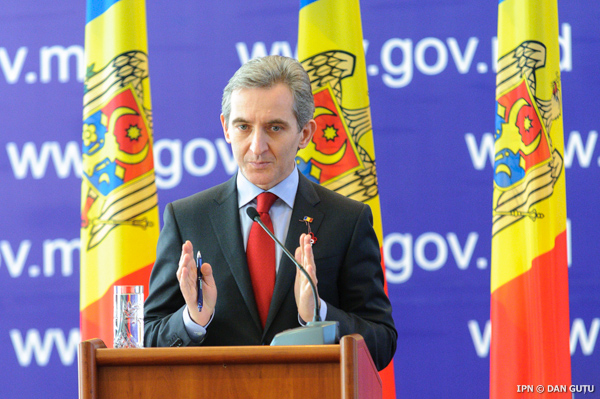
The former Prime Minister of the Republic of Moldova, Iurie Leancă, questioned in court in the case of the former leader of the PDM, Vlad Plahotniuc, provided explanations about how the banking crisis was managed during the period 2013-2015.
According to Leanca, during that period, the main institutions responsible for the financial system were under the leadership of representatives from the parties that formed the Alliance for European Integration. Thus, the Ministry of Finance, the parliamentary committee for budget and finance, the National Commission of Financial Market, as well as the management structures of the Savings Bank were managed by representatives of the PLDM, while the leadership of the National Bank of Moldova would have been appointed by the Liberal Party.
The former executive chief emphasized that, within governing coalitions, responsibilities were clearly delineated, and interventions between areas managed by different formations were limited by existing political agreements. He pointed out that, although there were tensions between alliance partners, especially in 2013, it is difficult to assume that political leaders could directly intervene in the duties of other coalition components.
Leanca also stated that the state had certain levers to intervene in crisis situations, including through representatives of the Ministry of Finance in the supervisory bodies of BEM.
Iurie Leanca listed several factors that contributed to the bank’s plundering, among which “the quality of assets accumulated over time, fraudulent management decisions, the lack of responsibility of board members, and the late reaction of supervisory authorities”.
In the same context, the former prime minister stated that he has not had and does not have personal relations with Vlad Plahotniuc and that he has not received instructions from him. According to Leanca, the contacts between the two were limited to the official framework of the governing alliance meetings, the last meeting taking place in 2019.
