

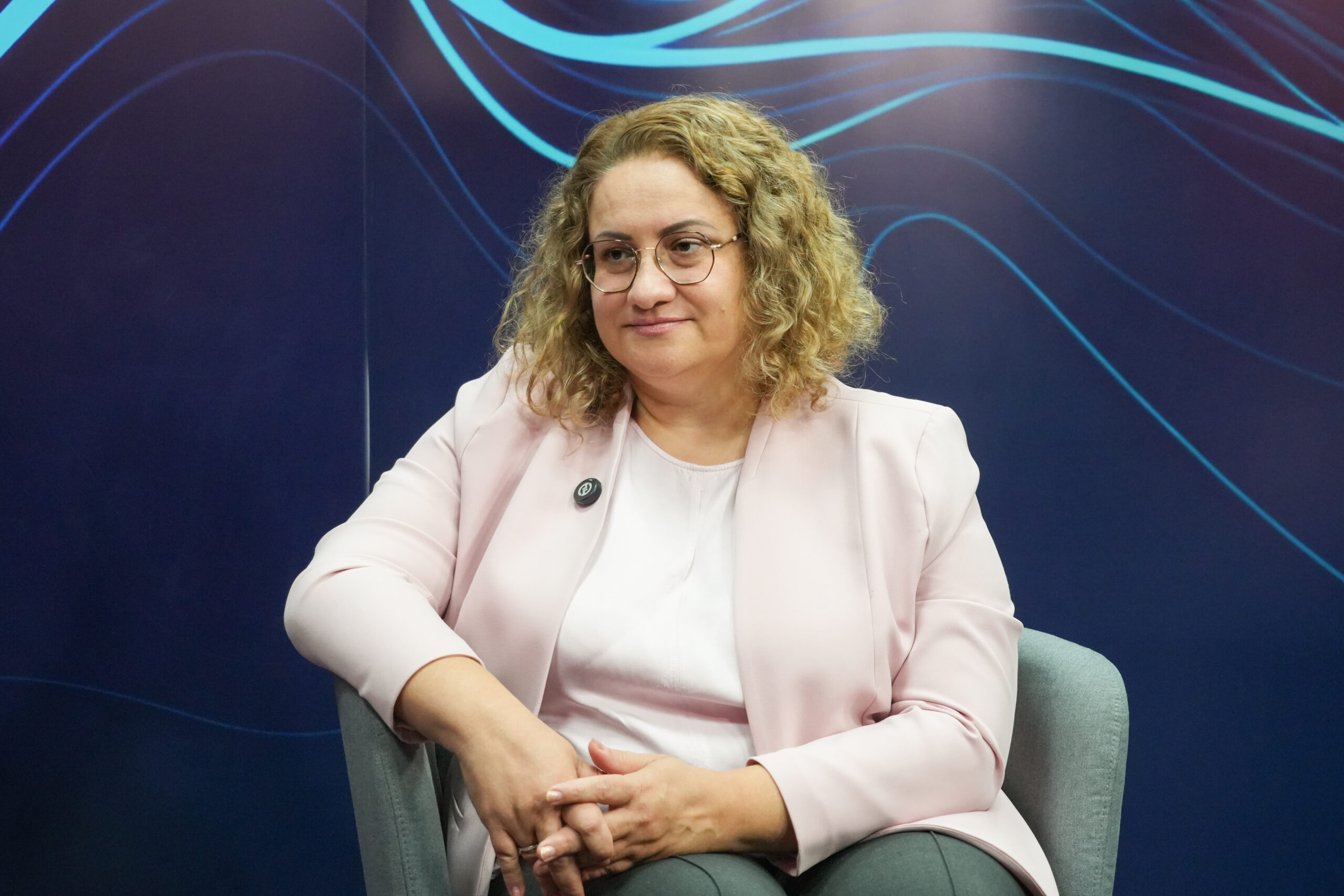
Approximately 95% of Moldova’s business financing comes from the banking sector, Veronica Arpintin

Approximately 95% of the funding for entrepreneurs’ activities in the Republic of Moldova comes from the banking sector, asserts the General Director of the International Stock Exchange of Moldova, Veronica Arpintin. According to her, the capital market can diversify the sources of funding for companies and can offer them alternatives when access to bank loans is limited.

Veronica Arpintin mentioned in an interview for IPN that some companies encounter difficulties in accessing loans due to insufficient guarantees, already contracted loans, or the specific nature of their business model. For larger projects, they can also resort to the tools of the capital market. Among the possibilities are the issuance of bonds or attracting new partners by transforming the company into a joint-stock company.

The BIMx Director clarifies, however, that the capital market is not aiming to replace bank financing. “These tools offer complementary financing, because we are not in competition with the banking sector,” she said. According to her, stock market instruments can meet different needs of companies, including when they aim to expand or internationalize.

Veronica Arpintin says that accessing capital market tools offers companies not just access to financing, but also other advantages, among which are transparency and reputation. These can be important when companies want to collaborate with international suppliers.

The need for diversification of funding sources is linked, in the opinion of the BIMx director, also to the approach of the Republic of Moldova to the European Union market. Companies planning their medium and long-term development will need to consider capital market instruments when financing their expansion and modernization.

At the same time, Veronica Arpintin talks about the capital market from the investors’ perspective. She says that citizens need more tools to maintain and grow their savings, in addition to bank deposits and real estate investments. In her view, the development of this market could also contribute to the formation of a stronger financial culture among the population.


Approximately 95% of the funding for entrepreneurs’ activities in the Republic of Moldova comes from the banking sector, asserts the General Director of the International Stock Exchange of Moldova, Veronica Arpintin. According to her, the capital market can diversify the sources of funding for companies and can offer them alternatives when access to bank loans is limited.

Veronica Arpintin mentioned in an interview for IPN that some companies encounter difficulties in accessing loans due to insufficient guarantees, already contracted loans, or the specific nature of their business model. For larger projects, they can also resort to the tools of the capital market. Among the possibilities are the issuance of bonds or attracting new partners by transforming the company into a joint-stock company.

The BIMx Director clarifies, however, that the capital market is not aiming to replace bank financing. “These tools offer complementary financing, because we are not in competition with the banking sector,” she said. According to her, stock market instruments can meet different needs of companies, including when they aim to expand or internationalize.

Veronica Arpintin says that accessing capital market tools offers companies not just access to financing, but also other advantages, among which are transparency and reputation. These can be important when companies want to collaborate with international suppliers.

The need for diversification of funding sources is linked, in the opinion of the BIMx director, also to the approach of the Republic of Moldova to the European Union market. Companies planning their medium and long-term development will need to consider capital market instruments when financing their expansion and modernization.

At the same time, Veronica Arpintin talks about the capital market from the investors’ perspective. She says that citizens need more tools to maintain and grow their savings, in addition to bank deposits and real estate investments. In her view, the development of this market could also contribute to the formation of a stronger financial culture among the population.

0 FacebookTwitterPinterestEmail


Approximately 95% of Moldova’s business financing comes from the banking sector, Veronica Arpintin

Approximately 95% of the funding for entrepreneurs’ activities in the Republic of Moldova comes from the banking sector, asserts the General Director of the International Stock Exchange of Moldova, Veronica Arpintin. According to her, the capital market can diversify the sources of funding for companies and can offer them alternatives when access to bank loans is limited.

Veronica Arpintin mentioned in an interview for IPN that some companies encounter difficulties in accessing loans due to insufficient guarantees, already contracted loans, or the specific nature of their business model. For larger projects, they can also resort to the tools of the capital market. Among the possibilities are the issuance of bonds or attracting new partners by transforming the company into a joint-stock company.

The BIMx Director clarifies, however, that the capital market is not aiming to replace bank financing. “These tools offer complementary financing, because we are not in competition with the banking sector,” she said. According to her, stock market instruments can meet different needs of companies, including when they aim to expand or internationalize.

Veronica Arpintin says that accessing capital market tools offers companies not just access to financing, but also other advantages, among which are transparency and reputation. These can be important when companies want to collaborate with international suppliers.

The need for diversification of funding sources is linked, in the opinion of the BIMx director, also to the approach of the Republic of Moldova to the European Union market. Companies planning their medium and long-term development will need to consider capital market instruments when financing their expansion and modernization.

At the same time, Veronica Arpintin talks about the capital market from the investors’ perspective. She says that citizens need more tools to maintain and grow their savings, in addition to bank deposits and real estate investments. In her view, the development of this market could also contribute to the formation of a stronger financial culture among the population.


A training laboratory for drone operation has been inaugurated at the “Stefan cel Mare” Academy of the Ministry of Internal Affairs. Specialists who will use surveillance and monitoring drones in the missions of the MAI structures will be trained there. The laboratory has 18 workstations, and the first courses are planned for the current month of November, reports IPN.

MAI mentions that drones can be used for quickly obtaining images from hard-to-reach areas, searching for missing persons, assessing emergency situations, and monitoring extensive surfaces. The information transmitted from the air will support the teams on the ground in assessing the situation and planning interventions.

“A modern security system requires high-performance technologies, but also people who know how to use them responsibly. Through this laboratory, we train specialists here, within the Ministry of Internal Affairs, and create the conditions for the operators’ training to continue over time,” declared the Minister of Internal Affairs, Daniella Misail-Nichitin, during the inauguration event.

So far, 12 employees of the MAI have been trained in Berlin in drone operation. Six of them will become trainers for their colleagues. The new capability will also ensure preparation for the use of surveillance and monitoring drones received in July for several subdivisions of the MAI. The laboratory was created with the support of the GS Foundation and funding from the Federal Foreign Office of Germany.

0 FacebookTwitterPinterestEmail


1 IANUARIE, 2025
1 IANUARIE, 2025