

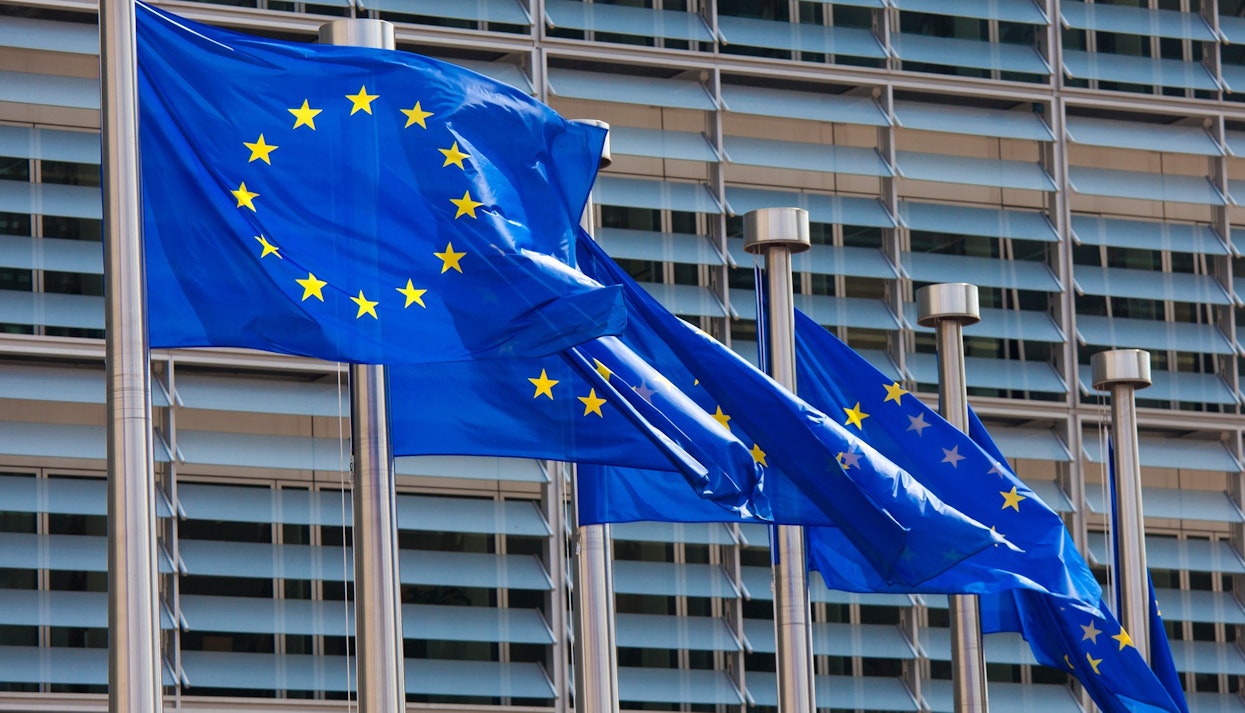
The EU announces new sanctions against Russia, targeting the energy sector and the economy

Photo source: Euronews

The European Commission presented on Friday the 20th package of sanctions against Russia, in the context of its aggression in Ukraine. After adoption, the European executive estimates that the new measures will further reduce Moscow’s oil export revenues and will limit the evasion of sanctions through the use of cryptocurrencies and the so-called “shadow fleet”, reports IPN.

The new package of measures targets, among other things, the banking sector, by sanctioning 20 Russian banks, as well as restricting the use of cryptocurrencies, platforms, and companies involved in the trading of virtual currencies. At the same time, the sanctions will be extended to banks from third countries that facilitate trade with previously sanctioned goods.

At the same time, the list of sanctions targeting Moscow’s so-called “shadow fleet”, used for oil trade in order to circumvent previously imposed restrictive measures, will be expanded. According to the European Commission, another 43 ships have been added to the list, bringing the total number of sanctioned ships to 640.

At the same time, a total ban on maritime services for the transport of Russian oil is proposed in the energy sector. The measure is expected to reduce Russia’s revenues from this sector and make it harder to identify new buyers. The implementation of the ban is anticipated to be carried out by the European Union together with its partners, following a corresponding decision by the G7.

Separately, a total ban is introduced on the maintenance and provision of other services for liquefied natural gas vessels and icebreakers, a measure that is expected to affect Russian gas exports and strengthen the already existing restrictions on LNG imports.

The proposed measures are to be discussed and adopted by the Council of the European Union. After adoption, they will be translated into all 24 official languages of the community block and published in the Official Journal of the EU, from which point they will come into effect.


Official documents issued in the Republic of Moldova and Germany may now be used in each other’s countries with only an apostille, without the need for the legalization procedure. The measure enters into force following the Federal Republic of Germany’s withdrawal of the reservation it made in 2007 when the Republic of Moldova acceded to the Hague Apostille Convention, IPN reports.

The Ministry of Foreign Affairs states that the decision was made following steps taken by Deputy Prime Minister Mihai Popsoi, Minister of Foreign Affairs, during his May 18–19 meeting with his German counterpart, Johann David Wadephul.

The ministry emphasizes that the new system will eliminate the need to visit multiple institutions or diplomatic missions to have documents legalized, which will reduce both the time required and the costs incurred by citizens. The simplified procedure will apply to official documents such as birth, marriage, divorce, and death certificates, criminal records, academic diplomas, and diploma supplements.

The Hague Convention on the Apostille entered into force for the Republic of Moldova on March 16, 2007. With its implementation in relations with Germany, the Republic of Moldova will benefit from the same simplified procedure for the recognition of official documents as it does with all 130 states and entities that are parties to the convention.

0 FacebookTwitterPinterestEmail


The EU announces new sanctions against Russia, targeting the energy sector and the economy

Photo source: Euronews

The European Commission presented on Friday the 20th package of sanctions against Russia, in the context of its aggression in Ukraine. After adoption, the European executive estimates that the new measures will further reduce Moscow’s oil export revenues and will limit the evasion of sanctions through the use of cryptocurrencies and the so-called “shadow fleet”, reports IPN.

The new package of measures targets, among other things, the banking sector, by sanctioning 20 Russian banks, as well as restricting the use of cryptocurrencies, platforms, and companies involved in the trading of virtual currencies. At the same time, the sanctions will be extended to banks from third countries that facilitate trade with previously sanctioned goods.

At the same time, the list of sanctions targeting Moscow’s so-called “shadow fleet”, used for oil trade in order to circumvent previously imposed restrictive measures, will be expanded. According to the European Commission, another 43 ships have been added to the list, bringing the total number of sanctioned ships to 640.

At the same time, a total ban on maritime services for the transport of Russian oil is proposed in the energy sector. The measure is expected to reduce Russia’s revenues from this sector and make it harder to identify new buyers. The implementation of the ban is anticipated to be carried out by the European Union together with its partners, following a corresponding decision by the G7.

Separately, a total ban is introduced on the maintenance and provision of other services for liquefied natural gas vessels and icebreakers, a measure that is expected to affect Russian gas exports and strengthen the already existing restrictions on LNG imports.

The proposed measures are to be discussed and adopted by the Council of the European Union. After adoption, they will be translated into all 24 official languages of the community block and published in the Official Journal of the EU, from which point they will come into effect.


Maritime schools could be opened in Moldova following the full transposition of relevant European legislation. The statement was made by Deputy Prime Minister Vladimir Bolea, Minister of Infrastructure and Regional Development, who noted that there is growing interest in such programs, including from Ukrainian citizens affected by the war, according to IPN.

Vladimir Bolea stated that the new regulations will allow seaman’s books to be issued based on studies completed in the Republic of Moldova at authorized institutions.

The minister told the press that, at present, no ships are sailing under the flag of the Republic of Moldova, but the authorities are working to transpose European legislation and develop the legal framework necessary for the development of this sector.

According to him, the state and the Naval Agency could generate significant revenue both from ships sailing under the Moldovan flag and from institutions that train seafarers.

0 FacebookTwitterPinterestEmail


1 IANUARIE, 2025
1 IANUARIE, 2025