

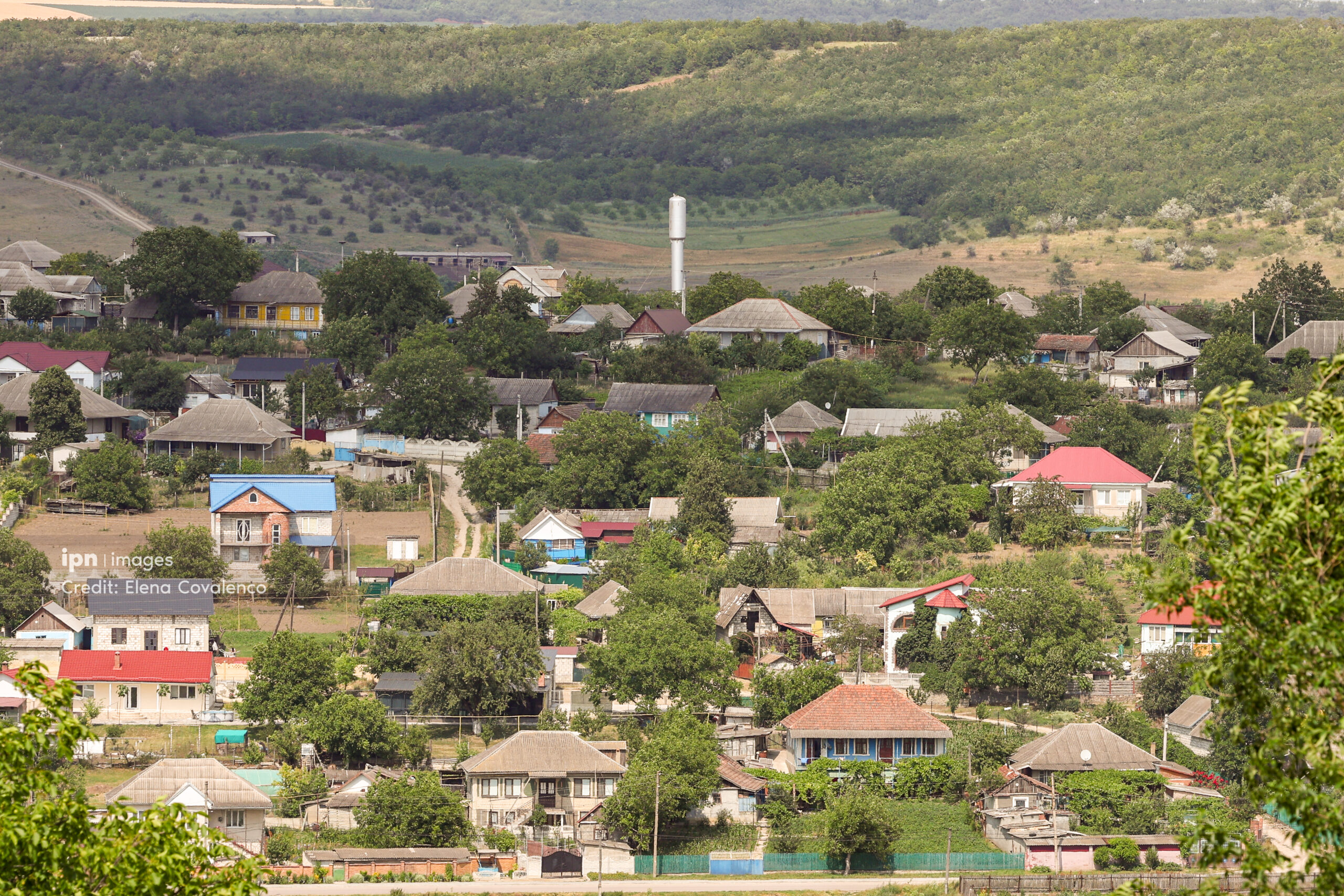
The government will fund 33 local projects through the “DAR 1+3” program

The government will finance 33 local projects through the “DAR 1+3” program. The total budget is 10 million lei, and most projects will benefit from funding ranging between 200 and 348 thousand lei, reports IPN.

According to the project developed by the Diaspora Relations Office within the State Chancellery and proposed for Government approval, the funds will be distributed to municipalities across the country for the implementation of initiatives in areas such as local infrastructure, energy efficiency, education, culture, environmental protection and communal services.

Among the beneficiary localities are Cimislia, Loganesti, Copceac, Valeni, Geamana, Sipoteni, Costesti, Telenesti, Filipeni, Gangura and Vadul lui Isac. The funded works include the modernization of roads and sidewalks, the installation of photovoltaic systems, the renovation of educational institutions, the development of public lighting, the arrangement of recreational spaces and the modernization of water and sewage infrastructure.

According to the explanatory note, 123 files were submitted within the call launched at the beginning of the year, out of which 113 projects were preselected. In the end, 33 of them were selected for funding. Through the co-financing mechanism “DAR 1+3”, members of the diaspora are encouraged to actively participate in the development of communities in Moldova: The Government offers a maximum funding of 50%, local authorities at least 10%, as well as the diaspora, and the contribution of other donors is not limited. The condition is that the funded projects must be at least 400 thousand lei.

The authorities maintain that the program has a significant social impact, contributing to the improvement of living conditions in communities and strengthening the ties between the Moldovan diaspora and their places of origin. The Ministry of Finance will ensure the financing of the projects, while the Diaspora Relations Office will monitor their implementation and present an annual report on the program’s results.


Healthcare unionists in Romania announced on Friday the suspension of the general strike, three days after the protest began. The Sanitas Federation claims that the action has achieved an initial objective, after the Chamber of Deputies approved an amendment to the Health Law that allows for the unlocking of hiring for vacant positions, and the adoption of the new Salary Law has been postponed, IPN reports.

Sanitas representatives clarify that the suspension does not mean the end of the labor dispute, but a period of negotiation with the authorities for the development of a new salary law project. The unionists warn that if by August 31 a project negotiated with social partners is not registered in Parliament, the strike could be resumed. Until then, employees will wear armbands.

The general strike in the medical system was initiated on Tuesday and took place in several hundred medical institutions. During the protest action, only emergency services and complex medical cases were ensured.

0 FacebookTwitterPinterestEmail


The government will fund 33 local projects through the “DAR 1+3” program

The government will finance 33 local projects through the “DAR 1+3” program. The total budget is 10 million lei, and most projects will benefit from funding ranging between 200 and 348 thousand lei, reports IPN.

According to the project developed by the Diaspora Relations Office within the State Chancellery and proposed for Government approval, the funds will be distributed to municipalities across the country for the implementation of initiatives in areas such as local infrastructure, energy efficiency, education, culture, environmental protection and communal services.

Among the beneficiary localities are Cimislia, Loganesti, Copceac, Valeni, Geamana, Sipoteni, Costesti, Telenesti, Filipeni, Gangura and Vadul lui Isac. The funded works include the modernization of roads and sidewalks, the installation of photovoltaic systems, the renovation of educational institutions, the development of public lighting, the arrangement of recreational spaces and the modernization of water and sewage infrastructure.

According to the explanatory note, 123 files were submitted within the call launched at the beginning of the year, out of which 113 projects were preselected. In the end, 33 of them were selected for funding. Through the co-financing mechanism “DAR 1+3”, members of the diaspora are encouraged to actively participate in the development of communities in Moldova: The Government offers a maximum funding of 50%, local authorities at least 10%, as well as the diaspora, and the contribution of other donors is not limited. The condition is that the funded projects must be at least 400 thousand lei.

The authorities maintain that the program has a significant social impact, contributing to the improvement of living conditions in communities and strengthening the ties between the Moldovan diaspora and their places of origin. The Ministry of Finance will ensure the financing of the projects, while the Diaspora Relations Office will monitor their implementation and present an annual report on the program’s results.


The Chisinau municipal council has approved the Local Action Plan for greener mobility, a document drawn up by the General Directorate of Architecture, Urban Planning and Land Relations. It provides for the classification of the streets in the capital and will serve as a guide for future interventions on the street space, reports IPN.

The interim deputy head of the General Directorate of Architecture, Mihaela Sultan, mentioned that the plan is based on three main directions: the redevelopment of streets, changing the mode of transportation and strengthening institutional support for the development of sustainable urban mobility.

The document proposes the reorganization of street space to create better conditions for pedestrians, cyclists and public transportation, as well as new design principles for future interventions. It includes seven categories of streets: main transit arteries, streets dedicated to public transportation, central streets, main neighborhood streets, residential streets, pedestrian streets and industrial streets.

The plan was developed within the framework of the European project CityWalk 2.0, funded by the European Union. The document is complementary to the Sustainable Urban Mobility Plan of the municipality of Chisinau.

0 FacebookTwitterPinterestEmail


1 IANUARIE, 2025
1 IANUARIE, 2025