

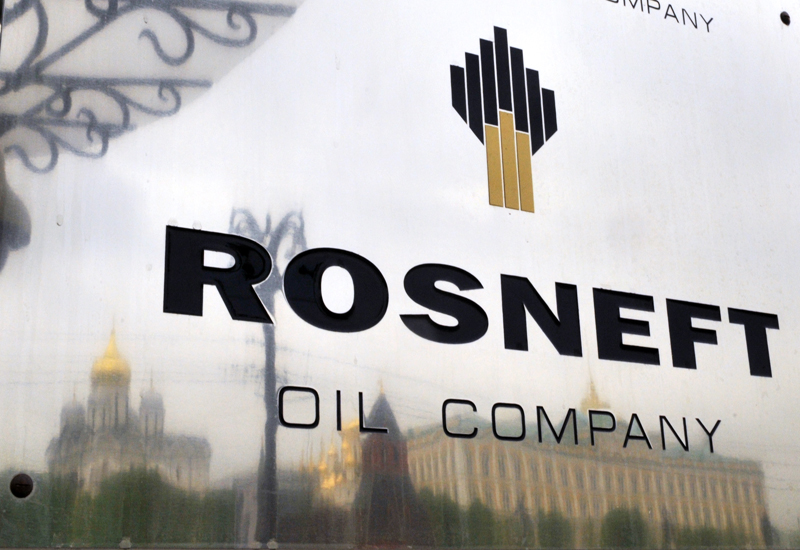
Rosneft, the main source of foreign currency for A7 company: over 2 billion dollars for Russian imports

Photo source: Getty Images

The Russian oil giant Rosneft, through affiliated intermediaries, provided more than $2 billion in funding to the crypto company A7, led by fugitive oligarch Ilan Shor. According to a journalistic investigation by The Financial Times, the money was used to finance Russian imports, including war-related needs, by circumventing international sanctions imposed on Moscow, IPN reports.

The investigation is based on a leak of internal documents from company A7, mainly from the end of 2024 to August 2025. According to these, A7 created, with falsified documents, front companies through which it made international payments via the SWIFT system, on behalf of Russian buyers. Exporters, including traders linked to Rosneft, transferred their earnings in Emirati dirhams to the accounts of these companies, and in exchange received rubles in Russia, mainly through Promsviazbank, the state bank that serves the state defense order and finances enterprises in the defense industry.

A large part of the currency came from a group of 16 companies related to Rosneft, called the “Coral network”, after Coral Energy, a sanctioned trader now operating under the name 2Rivers. In June 2025, two-thirds of the currency procured by A7 came from these companies. Each of the 138 dirham transfers to the front companies was accompanied by a ruble payment to Hurus Trade, one of the network companies. The falsified invoices for Hurus indicated an Algerian port as the delivery point, and the goods were listed as products such as fuel oil or cereals.

According to the documents, Ilan Shor personally met with representatives of Coral, who, according to him, made settlements in the Tether cryptocurrency, tied to the dollar. The documents also mention a company from Dubai, internally named “the trader for Sibur”, from which A7 received at least 22 million dollars in dirhams. 2Rivers denies any connection with the “Coral network” and says it ceased its activity after sanctions were imposed on it in December 2024, that it has not deposited or received funds through the described mechanisms, that it has not settled transactions in cryptocurrencies, and that it has not met or corresponded with Ilan Shor.

A7, along with its affiliated companies A71 and A7-AGENT, is on the international sanctions lists of the United States, the United Kingdom, and the European Union. Previously, IPN reported on how these entities help Russia circumvent Western sanctions by concealing actual cash flows to facilitate Moscow’s financial transfers.


Two Moldovan citizens were caught organizing the illegal border crossing for two Ukrainians in the northern part of the country. According to the Border Police, the Ukrainians reportedly paid 5,000 euros each to cross the border, IPN reports.

The Moldovan citizens were detained for 72 hours and subsequently remanded in custody for 30 days at the request of prosecutors.

Under current legislation, individuals found guilty of organizing illegal migration face a prison sentence of 5 to 12 years, a fine of up to 400,000 lei, and a ban on holding certain positions or engaging in specific activities for a period of 3 to 5 years.

0 FacebookTwitterPinterestEmail


Rosneft, the main source of foreign currency for A7 company: over 2 billion dollars for Russian imports

Photo source: Getty Images

The Russian oil giant Rosneft, through affiliated intermediaries, provided more than $2 billion in funding to the crypto company A7, led by fugitive oligarch Ilan Shor. According to a journalistic investigation by The Financial Times, the money was used to finance Russian imports, including war-related needs, by circumventing international sanctions imposed on Moscow, IPN reports.

The investigation is based on a leak of internal documents from company A7, mainly from the end of 2024 to August 2025. According to these, A7 created, with falsified documents, front companies through which it made international payments via the SWIFT system, on behalf of Russian buyers. Exporters, including traders linked to Rosneft, transferred their earnings in Emirati dirhams to the accounts of these companies, and in exchange received rubles in Russia, mainly through Promsviazbank, the state bank that serves the state defense order and finances enterprises in the defense industry.

A large part of the currency came from a group of 16 companies related to Rosneft, called the “Coral network”, after Coral Energy, a sanctioned trader now operating under the name 2Rivers. In June 2025, two-thirds of the currency procured by A7 came from these companies. Each of the 138 dirham transfers to the front companies was accompanied by a ruble payment to Hurus Trade, one of the network companies. The falsified invoices for Hurus indicated an Algerian port as the delivery point, and the goods were listed as products such as fuel oil or cereals.

According to the documents, Ilan Shor personally met with representatives of Coral, who, according to him, made settlements in the Tether cryptocurrency, tied to the dollar. The documents also mention a company from Dubai, internally named “the trader for Sibur”, from which A7 received at least 22 million dollars in dirhams. 2Rivers denies any connection with the “Coral network” and says it ceased its activity after sanctions were imposed on it in December 2024, that it has not deposited or received funds through the described mechanisms, that it has not settled transactions in cryptocurrencies, and that it has not met or corresponded with Ilan Shor.

A7, along with its affiliated companies A71 and A7-AGENT, is on the international sanctions lists of the United States, the United Kingdom, and the European Union. Previously, IPN reported on how these entities help Russia circumvent Western sanctions by concealing actual cash flows to facilitate Moscow’s financial transfers.


The Republic of Moldova is at the forefront of candidate countries in terms of implementing the Growth Plan, with over 90% of the commitments already fulfilled. This is stated by Adrienn Kiraly, director within the Directorate General for Enlargement, Eastern Neighbourhood and Turkey of the European Commission, who mentions that in the following period, it is important that this pace is maintained, and investments are accelerated, reports IPN.

At the first meeting of the Monitoring Committee on the implementation of the Reform and Growth Mechanism, held on Thursday in Chisinau, the progress and difficulties related to the reforms and investments provided in the Growth Plan were analyzed. Adrienn Kiraly mentioned that the next six months will be essential, as several important stages are planned.

The Secretary General of the Government, Alexei Buzu, national coordinator of the Reform and Growth Mechanism, said that Moldova must maintain the pace of reforms and accelerate investment projects in order to exploit the full potential of the Growth Plan.

In the coming days, the European Commission will publish the evaluation of the reforms to be implemented by June 2026, and the funds for the completed stages are expected to be disbursed at the beginning of October. So far, Moldova has fulfilled 28 reform commitments and has unlocked over 500 million euros under the mechanism.

The Growth Plan is the largest financial support package offered by the EU to the Republic of Moldova. It aims to accelerate reforms, bring the economy closer to the European single market and attract investments for economic development and job creation.

0 FacebookTwitterPinterestEmail


1 IANUARIE, 2025
1 IANUARIE, 2025