




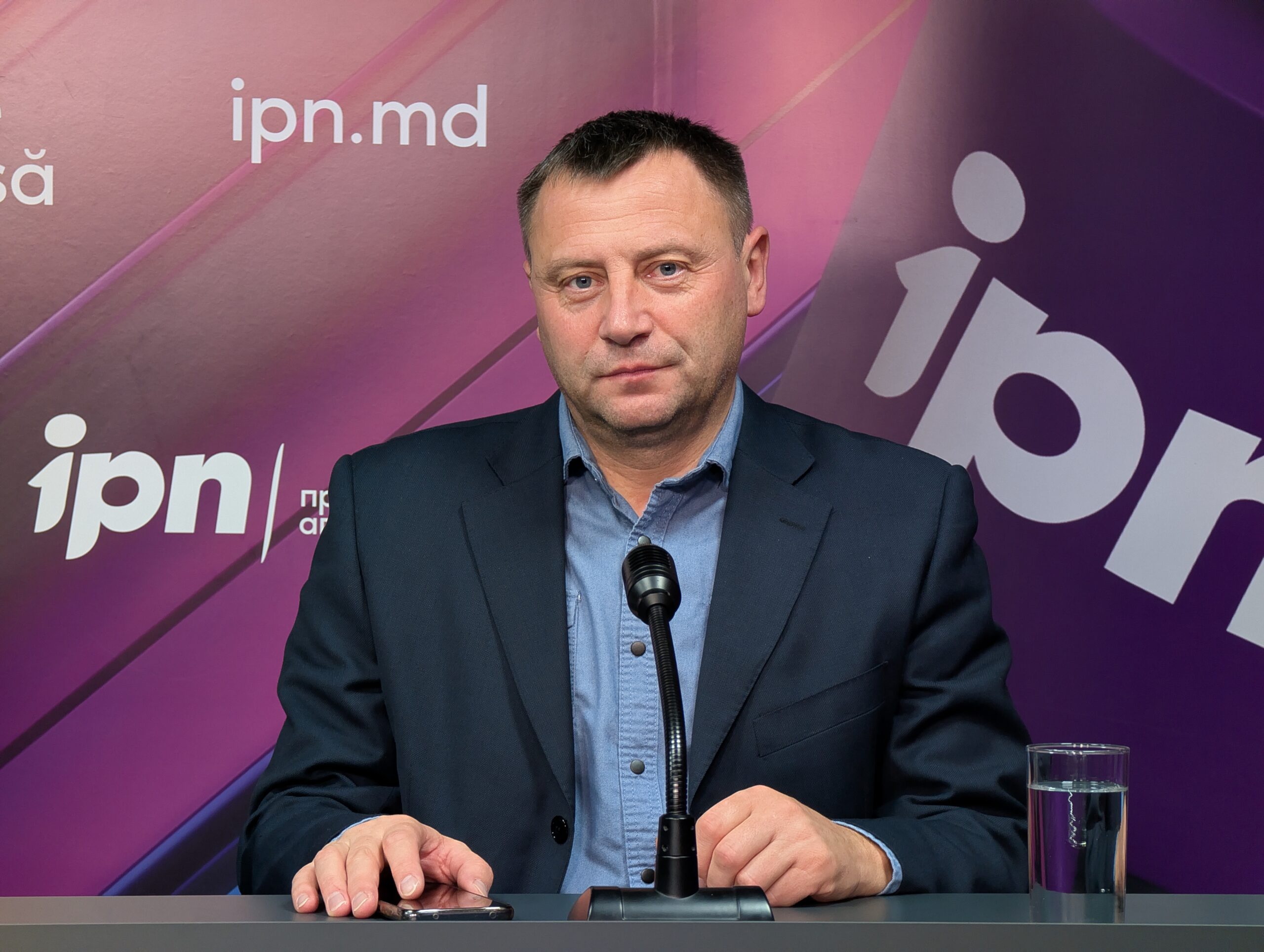
The current administrative and territorial structure is overly centralized, and the ruling party’s political control over district administrations is one of the problems plaguing the existing system. Expert Ion Tabarta made this statement during the public debate “Local Government Reform: Modernizing Local Autonomy or Centralizing Power?”, organized by the IPN News Agency. According to Tăbârță, local government reform is also needed to prepare local authorities to access European funds directly.
“Local government reform is long overdue. It should have been carried out much earlier, back in the 1990s. The need for reform is driven by several factors, including demographic changes, European integration, and the need to improve decision-making at the local level. The current administrative and territorial structure dates back to the Soviet era, though it has since been adjusted to serve the interests of political parties,” Ion Tabarta explained.
The expert also drew attention to the political influence exerted over district administrations. “The current administrative and territorial structure is excessively centralized. The ruling party funds the districts and thus maintains political control over them. There is very little discussion in our country about the important role local authorities will play in the European integration process, as they will have to submit applications for EU-funded projects directly, without going through the State Chancellery,” Ion Tabarta said.
The proposed reform would replace the 32 district councils with three regions—North, Centre and South. In the expert’s view, this reorganisation could make it easier to implement European projects and absorb pre-accession funding.
“The three regions are being created to implement European projects and ensure that pre-accession funds are absorbed. We will see how the mechanism works. If the approach is the same as with the district councils, nothing will change,” the expert noted.
Disclaimer: This material was produced by the IPN News Agency as part of the “Local Government Reform in Dialogue” project, funded by the Ministry of Culture through the Media Subsidy Fund.
