

Distance learning is a start for changes in education process

The Moldovan education system hasn’t been prepared for switching over to distance learning. Before the COVID-19 pandemic, teachers’ and students’ digital skills weren’t developed. The created situation and the mobilization that followed represented a start for the changes needed in the education process. The opinions were stated in a debate that was organized by the Institute for European Policies and Reforms, IPN reports.

Alex Leahu, teacher of the Chisinau Theoretical Lyceum “Spiru Haret”, said distance learning and the taken measures represent a catalyst for the changes that are in full swing and that will yet follow and this is the good side of the current situation. As a teacher, he became involved in the education of students as regards behavior in the online environment as these didn’t feel obliged to be present at online lessons, to connect to the Internet beforehand and to be active. Time has come for them to realize their role in the education process.

Education expert Sergiu Corlat, teacher of the Theoretical Lyceum “Orizont”, said that one of the conclusions deriving from the current situation is the necessity of modernizing the educational resources. More digital resources are needed and these should be more interactive, not only informative. His teaching model consists of short and rare theoretical sessions and many practical activities that are not attached to a timetable. The teachers should be trained more to use information technology. The ICT component should be permanently updated as technology develops swiftly.

Valeria Ciolac, students of the Theoretical Lyceum “Mihai Eminescu” of Bălți, said the education system wasn’t prepared for such a transformation. Even at the informatics classes, the students are taught to build models and algorithms in the Pascal system, but are not taught essential things that are indispensable in distance learning, such as the use of Google Drive, for example. Such content should be part of the school curricula. All the players of the education system have what to learn from the experience generated by the pandemic.

The debate “Impact of COVID-19 on the Republic of Moldova: how inclusive and efficient online teaching process is?” was organized by the Institute for European Policies and Reforms with support from the Hanns Seidel Foundation
The Court of Accounts is examining in an online session the Audit Report on the compliance of the financial management allocated for the conduct of the presidential elections and the constitutional republican referendum in 2024, the Audit Report on the compliance of the financial management allocated for the conduct of the parliamentary elections in 2025 and the Audit Report on the consolidated financial reports of the Central Electoral Commission concluded on December 31, 2025 /ccrm.md /at 09:00 AM/.

The Superior Council of Magistracy convenes for a meeting /CSM /at 09:30 AM/.

The National Agency for Energy Regulation convenes a meeting /ANRE /at 10:00 AM/.

The Secretary General of the Government, Alexei Buzu, and Deputy Prime Minister Vladimir Bolea, Minister of Infrastructure and Regional Development, are holding a press conference on the incentives provided within the framework of local public administration reform and investment priorities for the development of merged local infrastructure /Government House, entrance from Banulescu-Bodoni street /at 10:00 AM/.

The Minister of Health, Alexandru Gasnaș, is making a working visit to the Balti Clinical Hospital, during which the process of managerial recovery is launched and the new interim director of the institution /SC Balti /at 11:00 AM/.

The NATIONAL “COPYRIGHT” ASSOCIATION and the NATIONAL ASSOCIATION OF PHONOGRAPH PRODUCERS AND INTERPRETERS (ANPFI) are organizing a press conference entitled: “Circumstances regarding the settlement transaction concluded between AO “MORA”, AGEPI and the Ministry of Justice” /Conference room of the IPN Agency, Teatrului street, 2/2, 3rd floor, online on FB.com/ipn.md, YouTube, Rlive.md /at 12:00 PM/.

The event “Youth talk: young people change the world” takes place within the Diaspora Days 2026 /Government House, entrance from Bănulescu-Bodoni street /at 01:00 PM/.

The Central Electoral Commission meets in session /CEC / at 03:00 PM/.

The interactive event “Quiz Diaspora” is organized within the framework of the Diaspora Days 2026 /Draft, Eugen Doga pedestrian street /at 06:00 PM/.

The Minister of Foreign Affairs of the Republic of Latvia, Baiba Braže, is making a working visit to the Republic of Moldova /August 3-4/.

0 FacebookTwitterPinterestEmail


Distance learning is a start for changes in education process

The Moldovan education system hasn’t been prepared for switching over to distance learning. Before the COVID-19 pandemic, teachers’ and students’ digital skills weren’t developed. The created situation and the mobilization that followed represented a start for the changes needed in the education process. The opinions were stated in a debate that was organized by the Institute for European Policies and Reforms, IPN reports.

Alex Leahu, teacher of the Chisinau Theoretical Lyceum “Spiru Haret”, said distance learning and the taken measures represent a catalyst for the changes that are in full swing and that will yet follow and this is the good side of the current situation. As a teacher, he became involved in the education of students as regards behavior in the online environment as these didn’t feel obliged to be present at online lessons, to connect to the Internet beforehand and to be active. Time has come for them to realize their role in the education process.

Education expert Sergiu Corlat, teacher of the Theoretical Lyceum “Orizont”, said that one of the conclusions deriving from the current situation is the necessity of modernizing the educational resources. More digital resources are needed and these should be more interactive, not only informative. His teaching model consists of short and rare theoretical sessions and many practical activities that are not attached to a timetable. The teachers should be trained more to use information technology. The ICT component should be permanently updated as technology develops swiftly.

Valeria Ciolac, students of the Theoretical Lyceum “Mihai Eminescu” of Bălți, said the education system wasn’t prepared for such a transformation. Even at the informatics classes, the students are taught to build models and algorithms in the Pascal system, but are not taught essential things that are indispensable in distance learning, such as the use of Google Drive, for example. Such content should be part of the school curricula. All the players of the education system have what to learn from the experience generated by the pandemic.

The debate “Impact of COVID-19 on the Republic of Moldova: how inclusive and efficient online teaching process is?” was organized by the Institute for European Policies and Reforms with support from the Hanns Seidel Foundation
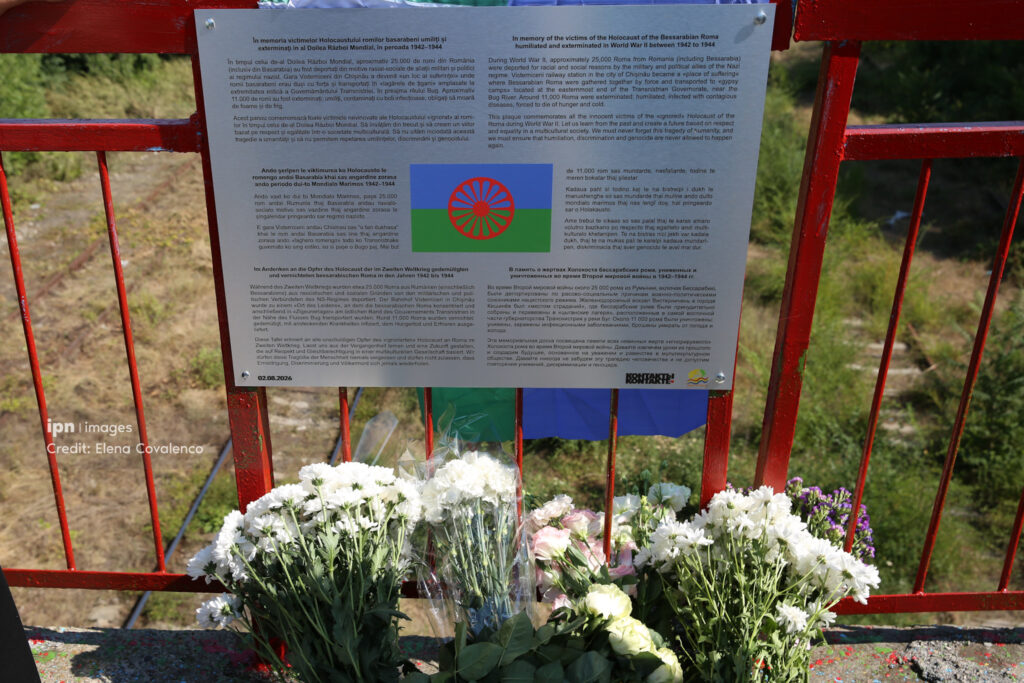

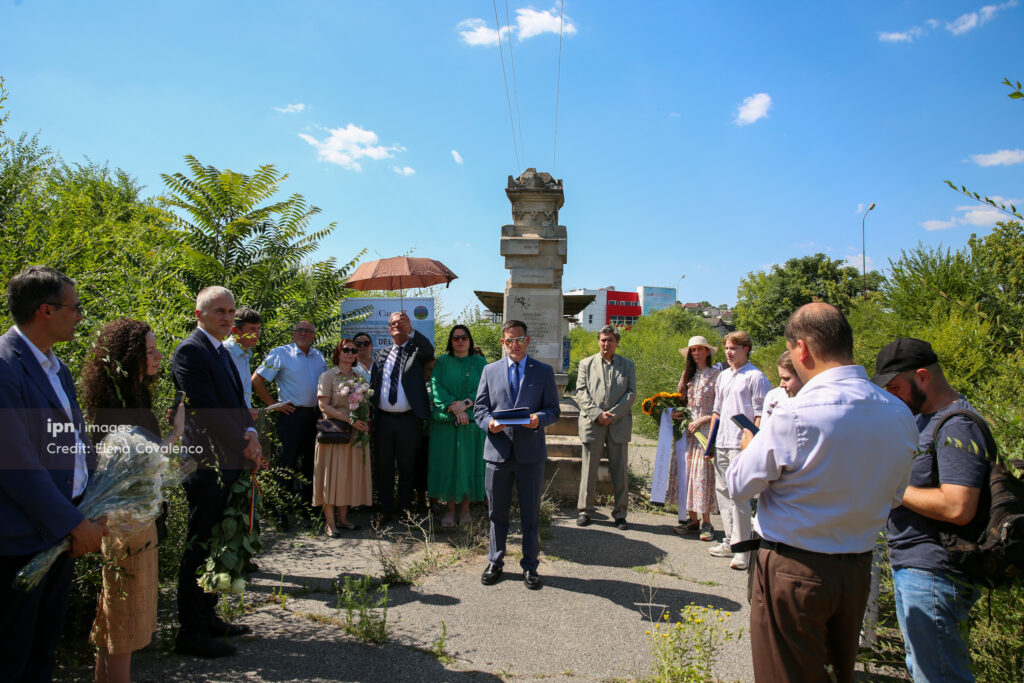
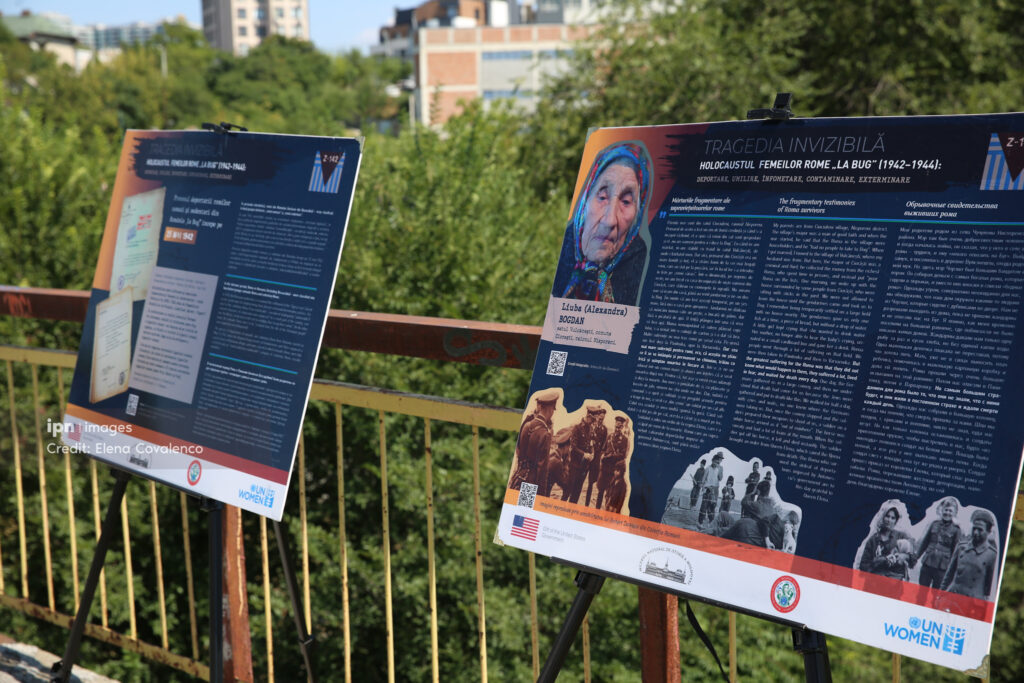
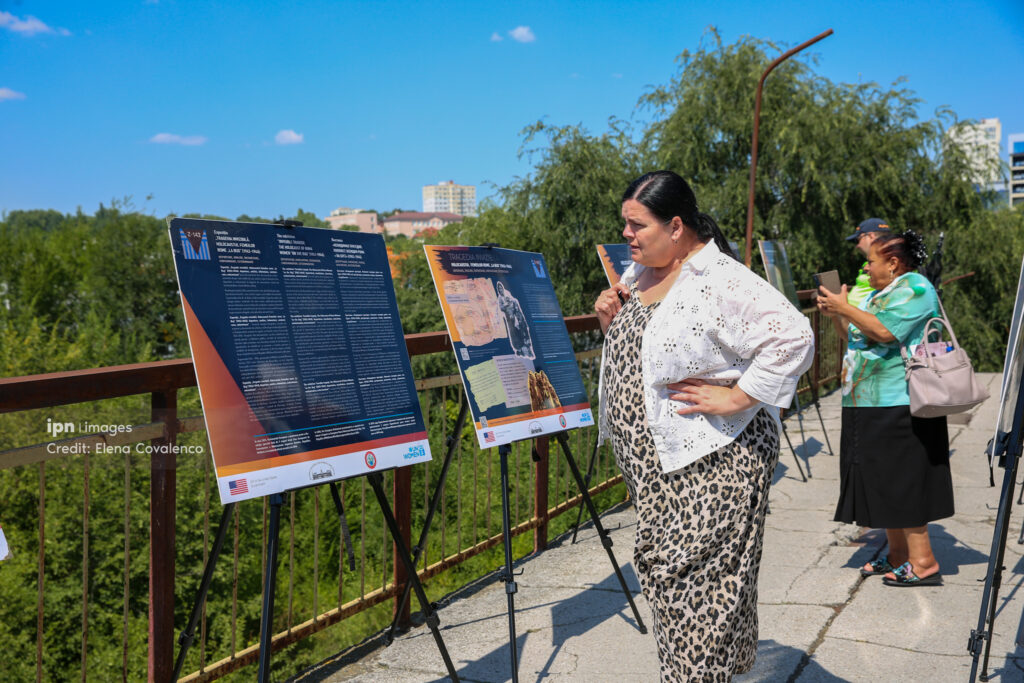
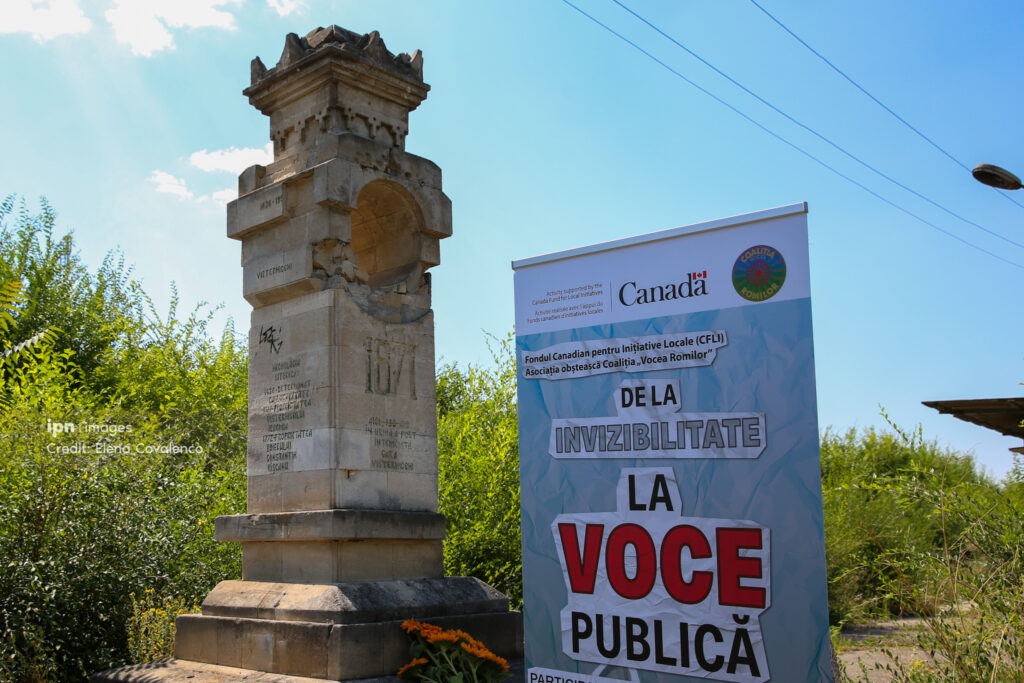
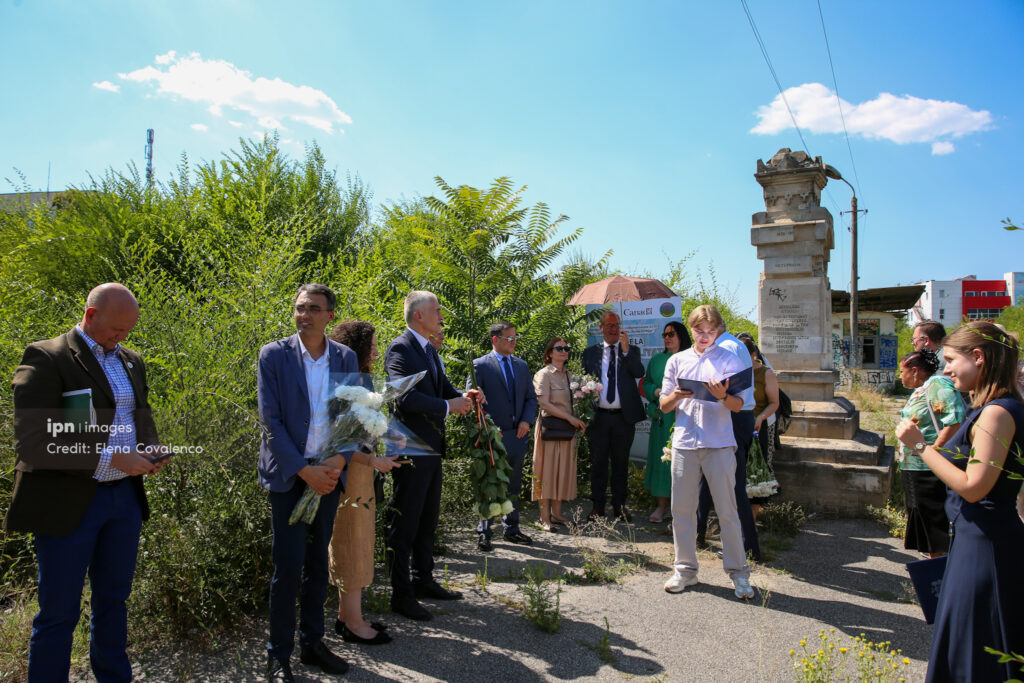
A commemorative plaque dedicated to the victims of the Holocaust against the Roma during the Second World War was unveiled on the territory of the Visterniceni Station in the city of Chisinau. The unveiling ceremony also included the laying of flowers in memory of the victims, in the context of the European Day of Remembrance for the victims of the Roma Holocaust, reports IPN.

The initiators of the project specified that the commemorative plaque is made in five languages – Romanian, Romani, Russian, English, and German – and represents a first step towards the arrangement of a memorial complex dedicated to the victims of the Roma Holocaust. They mentioned that, before the inauguration, symbolic elements placed near the plaque were vandalized and expressed their hope that the commemorative plaque will be respected and preserved.

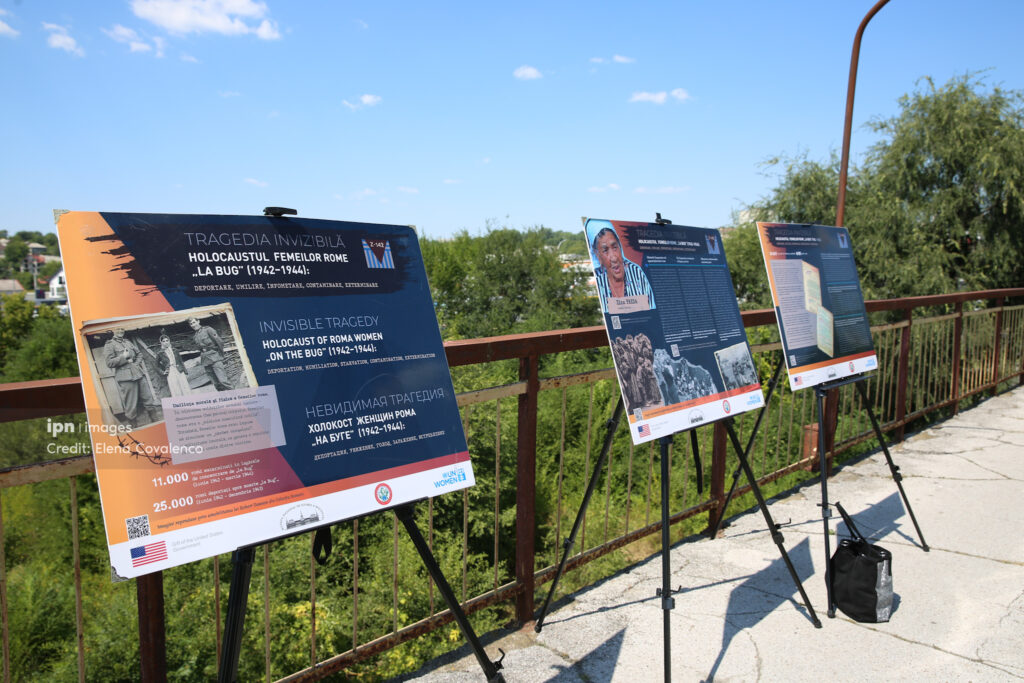
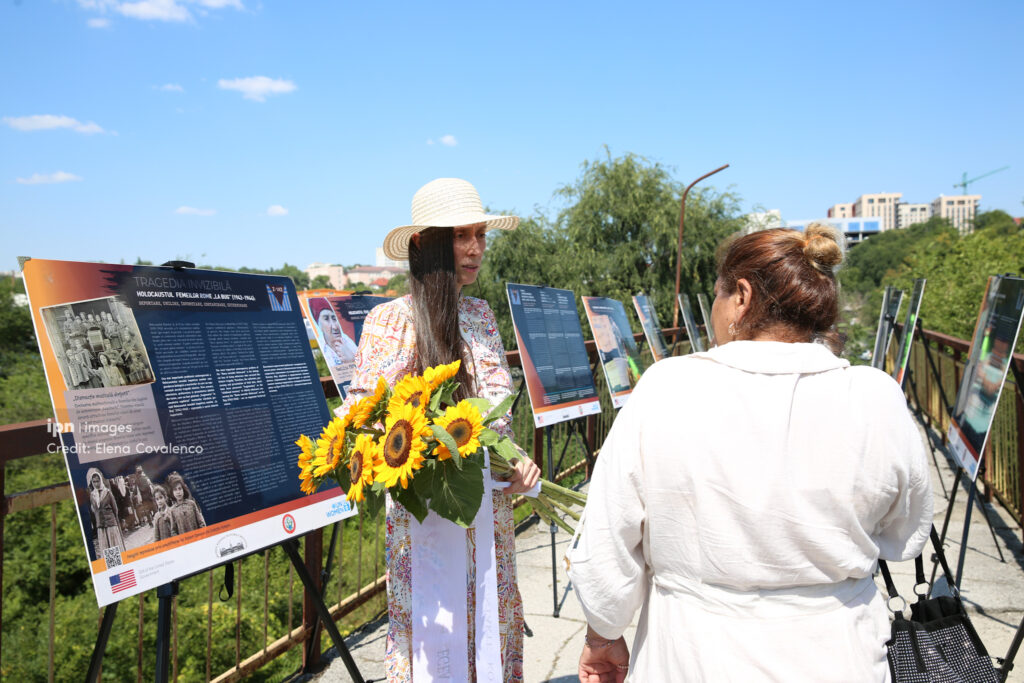
According to the data presented at the event, between September 12 and 16, 1942, from Visterniceni Station, thousands of Roma, mostly women and children, were loaded into freight wagons and deported to camps in the Transnistrian region. During the period 1942-1944, approximately 25 thousand Roma were deported, and about 11 thousand died due to hunger, cold, diseases, and lack of medical assistance.

On the same day, the round table “The Memory of the Roma Holocaust – lessons for the present and future” took place, during which actions to promote the memory of the Roma Holocaust and combat discrimination were presented. Participants highlighted the role of education in preventing hate speech and intolerance.

The State Secretary of the Ministry of Education and Research, Valentina Olaru, stated that the new action plan for the years 2027-2030 will include measures to combat racism, anti-Semitism, anti-Roma discrimination, xenophobia, and other forms of intolerance. According to her, the explicit inclusion of the term “anti-Roma discrimination” reaffirms the state’s commitment to prevent discrimination and promote education based on respect for human rights.

0 FacebookTwitterPinterestEmail


1 IANUARIE, 2025
1 IANUARIE, 2025