

‘Democracy’ based on interest

IPN analysis: The democratic majority in the People’s Assembly of Gagauzia adopted another scandalous initiative that was immediately criticized by the administration of the Democratic Party (PDM). How should we perceive the actions of the PDM that repeatedly accuses its colleagues? The effort made to understand this situation revealed unpleasant aspects of our political reality.

Not the scandal is to blame

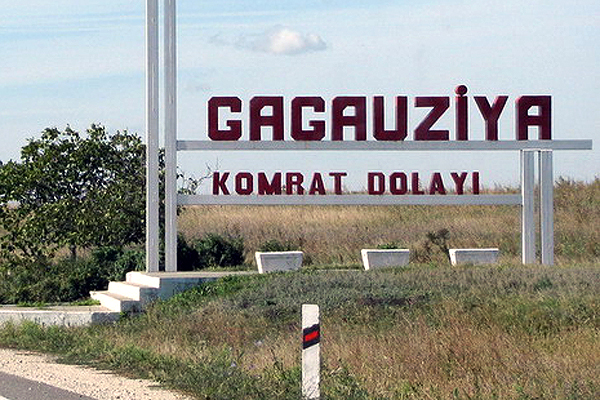
The use of Romanian as the name of the official language of the Republic of Moldova was banned in Gagauzia. Furthermore, the deputies of the People’s Assembly who adopted a bill to this effect went further and changed the names of the school subjects “Romanian language and literature” and “History of Romanians” into “Moldovan language and literature” and, respectively, “History of Moldova”.

As expected, the decision of the People’s Assembly caused debates inside Moldovan society on the ‘correct’ name of the language, what history our children should study and all the other aspects of our identity. These problems persisted in Moldova for 25 years and it seems that they will remain unsolved for many years on. If we ignore the social and historical aspects of this subject and look at it from the prospect of the political practice, the actions of the Gagauz lawmakers attract attention not because of their populism or scandalous character, but because they are inconsistent with the policy of the party that most of them represent.

Political schizophrenia

This is the Democratic Party. Namely the representatives of this political force put forward the most contradictory initiatives in the recent past – from ‘forbidding’ of the Romanian language to discussions about the possible withdrawal of Gagauzia from Moldova’s composition. Even if the main ‘supplier’ of ideas Ivan Burgudji on October 4 announced his withdrawal from the Democratic faction, we cannot ignore his work as a member of the Democratic team and his colleagues from the People’s Assembly who unanimously supported the initiatives proposed by him.

Not only the deputies, but also the representatives of the local organization of the PDM in Gagauzia revealed their ‘originality’. For example, public hearings were held in July in Comrat, organized by the People’s Assembly commission led by Burgudji. They centered on the prospects of Gagauzia gaining independence from Moldova. One of the local Democratic leaders, the mayor of Ceadar-Lunga Gheorghi Ormanji said openly that he is for the independence of Gagauzia.

All these ideas were put forward by official representatives of the local authorities who represent in the region one of the ruling parties of Moldova. Some of them form part of the administration bodies of the Democratic Party. For example, Gheorghi Ormanji forms part of the National Council of the PDM.

We got used to the fact that the local party organizations do not fully respect the ‘general line’ of the party. During the last few years, we saw many examples when district councilors from different parties formed strange coalitions that were not in accordance with the official division into ‘we and they’ in Parliament. In the case of Gagauzia, we saw contradictions of a different kind. Those ideas affect the sovereignty and integrity of the country and its strategic development. The Gagauz Democrats often put forward initiatives that make the party’s administrating to react. After the ‘forbidding’ of the Romanian language, not even the deputy head of the PDM Igor Corman was able to avoid making critical comments. According to him, some people already think about the elections of next year and stir things up with such initiatives. MP Alexandru Stoianoglo, who is from Comrat, also criticized his party colleagues from Gagauzia, saying their decision was nonsense.

This can be considered political schizophrenia or at least anarchy. It is strange to see the party’s administration accusing their colleagues of pre-electoral propaganda. The district party organizations always afford to put forward initiatives without consulting the central bodies. But two contradictory parties about the state’s future cannot exist inside a party. However, there is a certain logic in this situation.

Interest-based political marriage

During these days, when two parties of the Moldovan society convince each other how the official language should be named, it is one year of the union of the PDM and the organization “New Gagauzia” that is headed by the mayor of Comrat Nicolae Dudoglo. From the very beginning it was clear that this was a political marriage based on interests. Every party formed an alliance based on its interests. The leader of “New Gagauzia” secured administrative and other kind of support on the part of an influential national party for the 2014 elections of the Governor of Gagauzia. For its part, the Democratic Party attracted a politician that is popular in Comrat and obtained an extended network of primary party organizations, increasing significantly its membership.

The PDM also gain a kind of launch pad for spreading its influence in Gagauzia, which is now closed for most of the Moldovan parties. The first example of the kind was the coming to power in the local legislature. The PDM obtained a parliamentary majority without winning a seat in the elections for the People’s Assembly of Gagauzia. Though such a method of coming to power in Gagauzia is not a mystery, the Democrats rejected the assertions that the method is without scruples. MP Stoianoglo said on the local TV channel that the PDM managed to form a loyal majority in the People’s Assembly only by arguments. Other parties probably had fewer arguments.

Gradually, the euphoria of the political victories of the Democrats was shadowed by the weight of problems. It’s not known if the sides thought about the consequences of an alliance with the new partners, that they will have to assume responsibility for the actions of the allies and this problem seriously affected the image of the Democratic Party and of “New Gagauzia”. Becoming Democratic, Nicolae Dudoglo’s team had to answer before the voters for the pro-European orientation idea of the PDM that is not popular in the region. For its part, the party’s central administration had to find a logical explanation for the supporters of their colleagues from Gagauzia. It seems that this type of democracy cost the sides dear. .

Gagauz experience for Moldova

Anyway, the coming to power by the system of uninominal constituencies that is tested in Gagauzia should be considered a success. This mechanism will be probably adopted by the Moldovan parties in the next parliamentary elections. Only an application to the Constitutional Court is needed in order to return to the joint electoral system. The fact that after the worsening of the relations in spring the Democrats started to more often come to terms with its main partners and simultaneously with the rivals of the Liberal-Democrats from the government coalition is symptomatic. It’s possible that the formation of a new composition of Parliament would mean the competition of the power and the number of ‘arguments’ of the two parties.

There are serious reasons to believe that an alliance of the Democratic Party and its Gagauz partners was unusual. But such an assertion may be true only from the viewpoint of an idealized policy. Maybe we assess the reality by inappropriate criteria. Maybe in our epoch we should not look for ideological motivation, values and principles in the political actions. Maybe we should assess all the political players only by their affiliation to oligarchic clans. Maybe this is our post-politics where democracy does not represent the power of the people, but a distorted façade determined by the calculations of the financial elite. It seems that the future legislative elections will have to drive any of the related illusions away.

Veaceslav Craciun, IPN


The show “Solar Line” is presented at the Iusty Art Gallery at 07:30 PM/.

The exhibition “Bessarabian Authors in the World” continues, inaugurated during the Diaspora Days 2026 /National Library of the Republic of Moldova /August 3-September 3/.

The exhibition “The Unknown Work of the Bessarabian Masters” continues /Constantin Brancusi Exhibition Center/ /July 30-August 16/.

The personal exhibition Untitled by the artist Konstantin Benkovich continues, organized by the National Art Museum of Moldova, in partnership with the ALT Foundation /MNAM /July 30-August 30/.

The immersive exhibition continues, inspired by the mythology and mystical folklore of the Republic of Moldova, “The Forest”, created by Milen Chelea /Plai Gallery / July 23-August 6/.

The exhibition “Scent of Warm Bread. Bread in the Iron Age” continues /National Museum of History of Moldova /July 22 – September 4/.

The exhibition “Urban Archeology and the Hidden Memory of Chisinau” continues /National Museum of History of Moldova /July 17-November 30/.

The exhibition “The Thread of Identity! The traditional Romanian costume in book illustrations made by plastic artists from the Republic of Moldova” continues /BNRM /June 25-August 15/.

0 FacebookTwitterPinterestEmail


‘Democracy’ based on interest

IPN analysis: The democratic majority in the People’s Assembly of Gagauzia adopted another scandalous initiative that was immediately criticized by the administration of the Democratic Party (PDM). How should we perceive the actions of the PDM that repeatedly accuses its colleagues? The effort made to understand this situation revealed unpleasant aspects of our political reality.

Not the scandal is to blame

The use of Romanian as the name of the official language of the Republic of Moldova was banned in Gagauzia. Furthermore, the deputies of the People’s Assembly who adopted a bill to this effect went further and changed the names of the school subjects “Romanian language and literature” and “History of Romanians” into “Moldovan language and literature” and, respectively, “History of Moldova”.

As expected, the decision of the People’s Assembly caused debates inside Moldovan society on the ‘correct’ name of the language, what history our children should study and all the other aspects of our identity. These problems persisted in Moldova for 25 years and it seems that they will remain unsolved for many years on. If we ignore the social and historical aspects of this subject and look at it from the prospect of the political practice, the actions of the Gagauz lawmakers attract attention not because of their populism or scandalous character, but because they are inconsistent with the policy of the party that most of them represent.

Political schizophrenia

This is the Democratic Party. Namely the representatives of this political force put forward the most contradictory initiatives in the recent past – from ‘forbidding’ of the Romanian language to discussions about the possible withdrawal of Gagauzia from Moldova’s composition. Even if the main ‘supplier’ of ideas Ivan Burgudji on October 4 announced his withdrawal from the Democratic faction, we cannot ignore his work as a member of the Democratic team and his colleagues from the People’s Assembly who unanimously supported the initiatives proposed by him.

Not only the deputies, but also the representatives of the local organization of the PDM in Gagauzia revealed their ‘originality’. For example, public hearings were held in July in Comrat, organized by the People’s Assembly commission led by Burgudji. They centered on the prospects of Gagauzia gaining independence from Moldova. One of the local Democratic leaders, the mayor of Ceadar-Lunga Gheorghi Ormanji said openly that he is for the independence of Gagauzia.

All these ideas were put forward by official representatives of the local authorities who represent in the region one of the ruling parties of Moldova. Some of them form part of the administration bodies of the Democratic Party. For example, Gheorghi Ormanji forms part of the National Council of the PDM.

We got used to the fact that the local party organizations do not fully respect the ‘general line’ of the party. During the last few years, we saw many examples when district councilors from different parties formed strange coalitions that were not in accordance with the official division into ‘we and they’ in Parliament. In the case of Gagauzia, we saw contradictions of a different kind. Those ideas affect the sovereignty and integrity of the country and its strategic development. The Gagauz Democrats often put forward initiatives that make the party’s administrating to react. After the ‘forbidding’ of the Romanian language, not even the deputy head of the PDM Igor Corman was able to avoid making critical comments. According to him, some people already think about the elections of next year and stir things up with such initiatives. MP Alexandru Stoianoglo, who is from Comrat, also criticized his party colleagues from Gagauzia, saying their decision was nonsense.

This can be considered political schizophrenia or at least anarchy. It is strange to see the party’s administration accusing their colleagues of pre-electoral propaganda. The district party organizations always afford to put forward initiatives without consulting the central bodies. But two contradictory parties about the state’s future cannot exist inside a party. However, there is a certain logic in this situation.

Interest-based political marriage

During these days, when two parties of the Moldovan society convince each other how the official language should be named, it is one year of the union of the PDM and the organization “New Gagauzia” that is headed by the mayor of Comrat Nicolae Dudoglo. From the very beginning it was clear that this was a political marriage based on interests. Every party formed an alliance based on its interests. The leader of “New Gagauzia” secured administrative and other kind of support on the part of an influential national party for the 2014 elections of the Governor of Gagauzia. For its part, the Democratic Party attracted a politician that is popular in Comrat and obtained an extended network of primary party organizations, increasing significantly its membership.

The PDM also gain a kind of launch pad for spreading its influence in Gagauzia, which is now closed for most of the Moldovan parties. The first example of the kind was the coming to power in the local legislature. The PDM obtained a parliamentary majority without winning a seat in the elections for the People’s Assembly of Gagauzia. Though such a method of coming to power in Gagauzia is not a mystery, the Democrats rejected the assertions that the method is without scruples. MP Stoianoglo said on the local TV channel that the PDM managed to form a loyal majority in the People’s Assembly only by arguments. Other parties probably had fewer arguments.

Gradually, the euphoria of the political victories of the Democrats was shadowed by the weight of problems. It’s not known if the sides thought about the consequences of an alliance with the new partners, that they will have to assume responsibility for the actions of the allies and this problem seriously affected the image of the Democratic Party and of “New Gagauzia”. Becoming Democratic, Nicolae Dudoglo’s team had to answer before the voters for the pro-European orientation idea of the PDM that is not popular in the region. For its part, the party’s central administration had to find a logical explanation for the supporters of their colleagues from Gagauzia. It seems that this type of democracy cost the sides dear. .

Gagauz experience for Moldova

Anyway, the coming to power by the system of uninominal constituencies that is tested in Gagauzia should be considered a success. This mechanism will be probably adopted by the Moldovan parties in the next parliamentary elections. Only an application to the Constitutional Court is needed in order to return to the joint electoral system. The fact that after the worsening of the relations in spring the Democrats started to more often come to terms with its main partners and simultaneously with the rivals of the Liberal-Democrats from the government coalition is symptomatic. It’s possible that the formation of a new composition of Parliament would mean the competition of the power and the number of ‘arguments’ of the two parties.

There are serious reasons to believe that an alliance of the Democratic Party and its Gagauz partners was unusual. But such an assertion may be true only from the viewpoint of an idealized policy. Maybe we assess the reality by inappropriate criteria. Maybe in our epoch we should not look for ideological motivation, values and principles in the political actions. Maybe we should assess all the political players only by their affiliation to oligarchic clans. Maybe this is our post-politics where democracy does not represent the power of the people, but a distorted façade determined by the calculations of the financial elite. It seems that the future legislative elections will have to drive any of the related illusions away.

Veaceslav Craciun, IPN


The President of Ukraine, Volodymyr Zelenskyy, has appointed Rustem Umerov as the head of the Foreign Intelligence Service. The appointment decree was signed by the leader in Kiev, reports IPN.

Until this appointment, Rustem Umerov held the position of Secretary of the National Security and Defense Council of Ukraine. In his place, the former Minister of Interior, Igor Klimenko, has been appointed as the head of the Council.

Volodymyr Zelenskyy stated that Rustem Umerov will continue to coordinate the “Drone Deal” initiative. According to the Ukrainian president, the new role will allow him to continue managing cooperation in the field of defense and diplomacy, negotiations with the United States and other partners, as well as the negotiation process regarding the end of the war triggered by Russia against Ukraine.

Rustem Umerov was a deputy, head of the State Property Fund, Minister of Defense, and later Secretary of the National Security and Defense Council. In recent years, he has coordinated international negotiations on military support for Ukraine and led the Ukrainian delegation in talks with the United States and Russia on ending the war.

0 FacebookTwitterPinterestEmail


1 IANUARIE, 2025
1 IANUARIE, 2025