

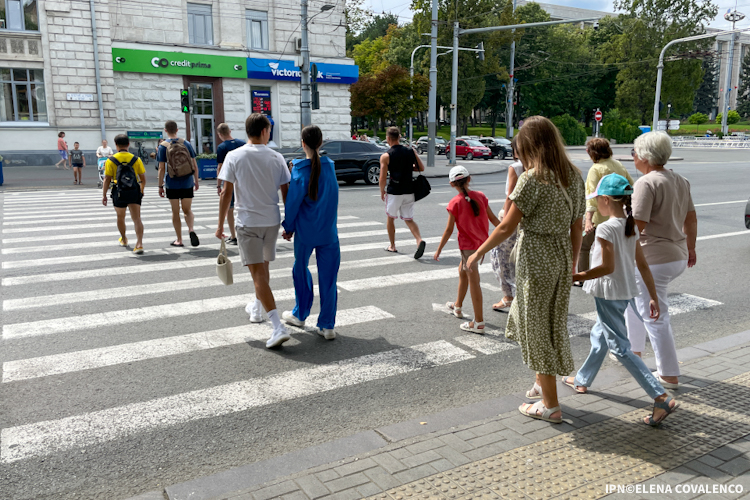
Expert: Why does inflation decrease, but we do not feel effect?

The rate of inflation in Moldova over the past few months has dropped. In October 2022, the annual inflation was 34.6% – the highest level the past 23 years. In July 2023, it decreased to 10.7%. It is estimated that the rate of inflation in autumn will fall under 10%. But the people wonder why they don’t feel this decline. The expert of the Institute for Development and Social Initiatives “Viitorul” Veaceslav Ioniță provided more explanations.

The expert said that two basic things should be primarily taken into account. “Firstly, the decline in inflation does not mean a decline in prices. Inflation is an indicator showing how the prices grow. Last year, inflation was of 34%. This means the prices rose by 34%. Now inflation decreased to 10.7%, but this means only that the prices grew by 10.7%, which is three times less than last year. But the prices anyway rose. So, lower inflation shows that the prices rise slower, but they anyway rise,” noted Veaceslav Ioniță.

However, during the summer months there was deflation for food products, which is the prices decreased. In June, the food prices declined by 0.2%, while in July by 1.2%. In 2020, Moldova witnessed the lowest rate of inflation in its history, of only 0.39%. Such a level of inflation hadn’t been seen even in the USSR, at least during its last 15 years of existence. Two years of considerable rise in prices followed, both of services and of food products.

“Let’s stop at food products. Until May 2023, the average prices of food products grew by 62% on 2020. What in 2020 could be bought for 100 lei, in May 2023 could be purchased for 162 lei already. Neither the pensions nor the salaries grew so much. This means that this year Moldova’s population, with the incomes they have, can buy less food products than in 2020. The people in 2023 have smaller real incomes and purchasing power than in 2020. In other words, they are poorer than in 2020. That’s why the 14% decline in food prices during the two summer months of 2023 is too small to be felt. Following this decrease, the food prices remain by 59.4% higher than in 2020. This is too much to speak about the population’s feeling that the prices go down,” explained Veaceslav Ioniță.

According to him, time is yet needed until the figures of the National Bureau of Statistics are felt by the citizens.


Official documents issued in the Republic of Moldova and Germany may now be used in each other’s countries with only an apostille, without the need for the legalization procedure. The measure enters into force following the Federal Republic of Germany’s withdrawal of the reservation it made in 2007 when the Republic of Moldova acceded to the Hague Apostille Convention, IPN reports.

The Ministry of Foreign Affairs states that the decision was made following steps taken by Deputy Prime Minister Mihai Popsoi, Minister of Foreign Affairs, during his May 18–19 meeting with his German counterpart, Johann David Wadephul.

The ministry emphasizes that the new system will eliminate the need to visit multiple institutions or diplomatic missions to have documents legalized, which will reduce both the time required and the costs incurred by citizens. The simplified procedure will apply to official documents such as birth, marriage, divorce, and death certificates, criminal records, academic diplomas, and diploma supplements.

The Hague Convention on the Apostille entered into force for the Republic of Moldova on March 16, 2007. With its implementation in relations with Germany, the Republic of Moldova will benefit from the same simplified procedure for the recognition of official documents as it does with all 130 states and entities that are parties to the convention.

0 FacebookTwitterPinterestEmail


Expert: Why does inflation decrease, but we do not feel effect?

The rate of inflation in Moldova over the past few months has dropped. In October 2022, the annual inflation was 34.6% – the highest level the past 23 years. In July 2023, it decreased to 10.7%. It is estimated that the rate of inflation in autumn will fall under 10%. But the people wonder why they don’t feel this decline. The expert of the Institute for Development and Social Initiatives “Viitorul” Veaceslav Ioniță provided more explanations.

The expert said that two basic things should be primarily taken into account. “Firstly, the decline in inflation does not mean a decline in prices. Inflation is an indicator showing how the prices grow. Last year, inflation was of 34%. This means the prices rose by 34%. Now inflation decreased to 10.7%, but this means only that the prices grew by 10.7%, which is three times less than last year. But the prices anyway rose. So, lower inflation shows that the prices rise slower, but they anyway rise,” noted Veaceslav Ioniță.

However, during the summer months there was deflation for food products, which is the prices decreased. In June, the food prices declined by 0.2%, while in July by 1.2%. In 2020, Moldova witnessed the lowest rate of inflation in its history, of only 0.39%. Such a level of inflation hadn’t been seen even in the USSR, at least during its last 15 years of existence. Two years of considerable rise in prices followed, both of services and of food products.

“Let’s stop at food products. Until May 2023, the average prices of food products grew by 62% on 2020. What in 2020 could be bought for 100 lei, in May 2023 could be purchased for 162 lei already. Neither the pensions nor the salaries grew so much. This means that this year Moldova’s population, with the incomes they have, can buy less food products than in 2020. The people in 2023 have smaller real incomes and purchasing power than in 2020. In other words, they are poorer than in 2020. That’s why the 14% decline in food prices during the two summer months of 2023 is too small to be felt. Following this decrease, the food prices remain by 59.4% higher than in 2020. This is too much to speak about the population’s feeling that the prices go down,” explained Veaceslav Ioniță.

According to him, time is yet needed until the figures of the National Bureau of Statistics are felt by the citizens.


Maritime schools could be opened in Moldova following the full transposition of relevant European legislation. The statement was made by Deputy Prime Minister Vladimir Bolea, Minister of Infrastructure and Regional Development, who noted that there is growing interest in such programs, including from Ukrainian citizens affected by the war, according to IPN.

Vladimir Bolea stated that the new regulations will allow seaman’s books to be issued based on studies completed in the Republic of Moldova at authorized institutions.

The minister told the press that, at present, no ships are sailing under the flag of the Republic of Moldova, but the authorities are working to transpose European legislation and develop the legal framework necessary for the development of this sector.

According to him, the state and the Naval Agency could generate significant revenue both from ships sailing under the Moldovan flag and from institutions that train seafarers.

0 FacebookTwitterPinterestEmail


1 IANUARIE, 2025
1 IANUARIE, 2025