

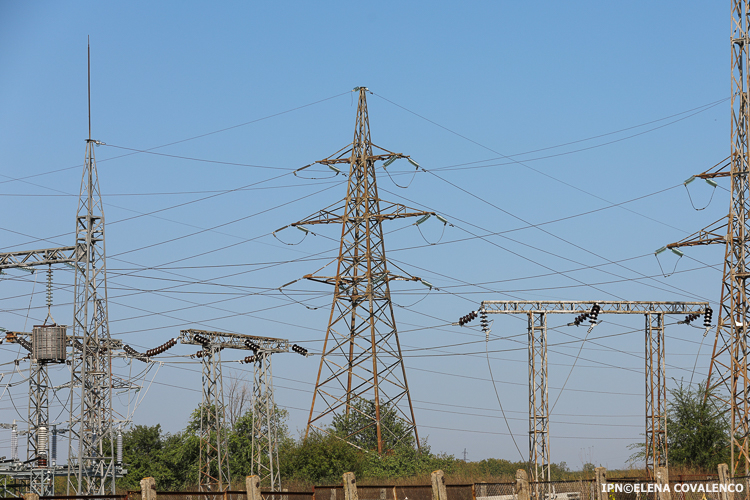
The contract for the construction of the 400 kV Bălți-Suceava Power Line has been signed

The state enterprise Moldelectrica and the Turkish company SA-RA, designated as the winner of the tender, have signed the contract for the design, supply of equipment and construction of the Balti-Suceava 400 kV overhead power line. At the same time, the grant agreement for the implementation of the project, granted by the European Union, in partnership with EBRD and EIB, was also signed, reports IPN.

During the signing ceremony, the Minister of Energy, Dorin Junghietu, stated that the Balti-Suceava line complements the interconnection network with the European Union and it means not only infrastructure, but also more security, more market competition, and more options for citizens and the economy.

“With a EU grant of 15.4 million euros, together with EBRD and EIB, we invest in real benefits for the citizens’ lives. It’s about people, stability, and a common future. Each new connection with the European energy market means greater security, more opportunities for business, and less vulnerability to external pressures,” declared the EU ambassador in the Republic of Moldova, Iwona Piórko.

The power line will have a length of approximately 45 kilometers on the territory of the Republic of Moldova and will cross 12 localities in the Glodeni, Falesti, Balti, and Rascani districts. According to the authorities, the new connection will allow the transfer of larger volumes of electrical energy between the two banks of the Prut and will contribute to increasing the safety in supplying consumers.

The value of the contract is 17.5 million euros, and the implementation period is 24 months.


Official documents issued in the Republic of Moldova and Germany may now be used in each other’s countries with only an apostille, without the need for the legalization procedure. The measure enters into force following the Federal Republic of Germany’s withdrawal of the reservation it made in 2007 when the Republic of Moldova acceded to the Hague Apostille Convention, IPN reports.

The Ministry of Foreign Affairs states that the decision was made following steps taken by Deputy Prime Minister Mihai Popsoi, Minister of Foreign Affairs, during his May 18–19 meeting with his German counterpart, Johann David Wadephul.

The ministry emphasizes that the new system will eliminate the need to visit multiple institutions or diplomatic missions to have documents legalized, which will reduce both the time required and the costs incurred by citizens. The simplified procedure will apply to official documents such as birth, marriage, divorce, and death certificates, criminal records, academic diplomas, and diploma supplements.

The Hague Convention on the Apostille entered into force for the Republic of Moldova on March 16, 2007. With its implementation in relations with Germany, the Republic of Moldova will benefit from the same simplified procedure for the recognition of official documents as it does with all 130 states and entities that are parties to the convention.

0 FacebookTwitterPinterestEmail


The contract for the construction of the 400 kV Bălți-Suceava Power Line has been signed

The state enterprise Moldelectrica and the Turkish company SA-RA, designated as the winner of the tender, have signed the contract for the design, supply of equipment and construction of the Balti-Suceava 400 kV overhead power line. At the same time, the grant agreement for the implementation of the project, granted by the European Union, in partnership with EBRD and EIB, was also signed, reports IPN.

During the signing ceremony, the Minister of Energy, Dorin Junghietu, stated that the Balti-Suceava line complements the interconnection network with the European Union and it means not only infrastructure, but also more security, more market competition, and more options for citizens and the economy.

“With a EU grant of 15.4 million euros, together with EBRD and EIB, we invest in real benefits for the citizens’ lives. It’s about people, stability, and a common future. Each new connection with the European energy market means greater security, more opportunities for business, and less vulnerability to external pressures,” declared the EU ambassador in the Republic of Moldova, Iwona Piórko.

The power line will have a length of approximately 45 kilometers on the territory of the Republic of Moldova and will cross 12 localities in the Glodeni, Falesti, Balti, and Rascani districts. According to the authorities, the new connection will allow the transfer of larger volumes of electrical energy between the two banks of the Prut and will contribute to increasing the safety in supplying consumers.

The value of the contract is 17.5 million euros, and the implementation period is 24 months.


Maritime schools could be opened in Moldova following the full transposition of relevant European legislation. The statement was made by Deputy Prime Minister Vladimir Bolea, Minister of Infrastructure and Regional Development, who noted that there is growing interest in such programs, including from Ukrainian citizens affected by the war, according to IPN.

Vladimir Bolea stated that the new regulations will allow seaman’s books to be issued based on studies completed in the Republic of Moldova at authorized institutions.

The minister told the press that, at present, no ships are sailing under the flag of the Republic of Moldova, but the authorities are working to transpose European legislation and develop the legal framework necessary for the development of this sector.

According to him, the state and the Naval Agency could generate significant revenue both from ships sailing under the Moldovan flag and from institutions that train seafarers.

0 FacebookTwitterPinterestEmail


1 IANUARIE, 2025
1 IANUARIE, 2025