

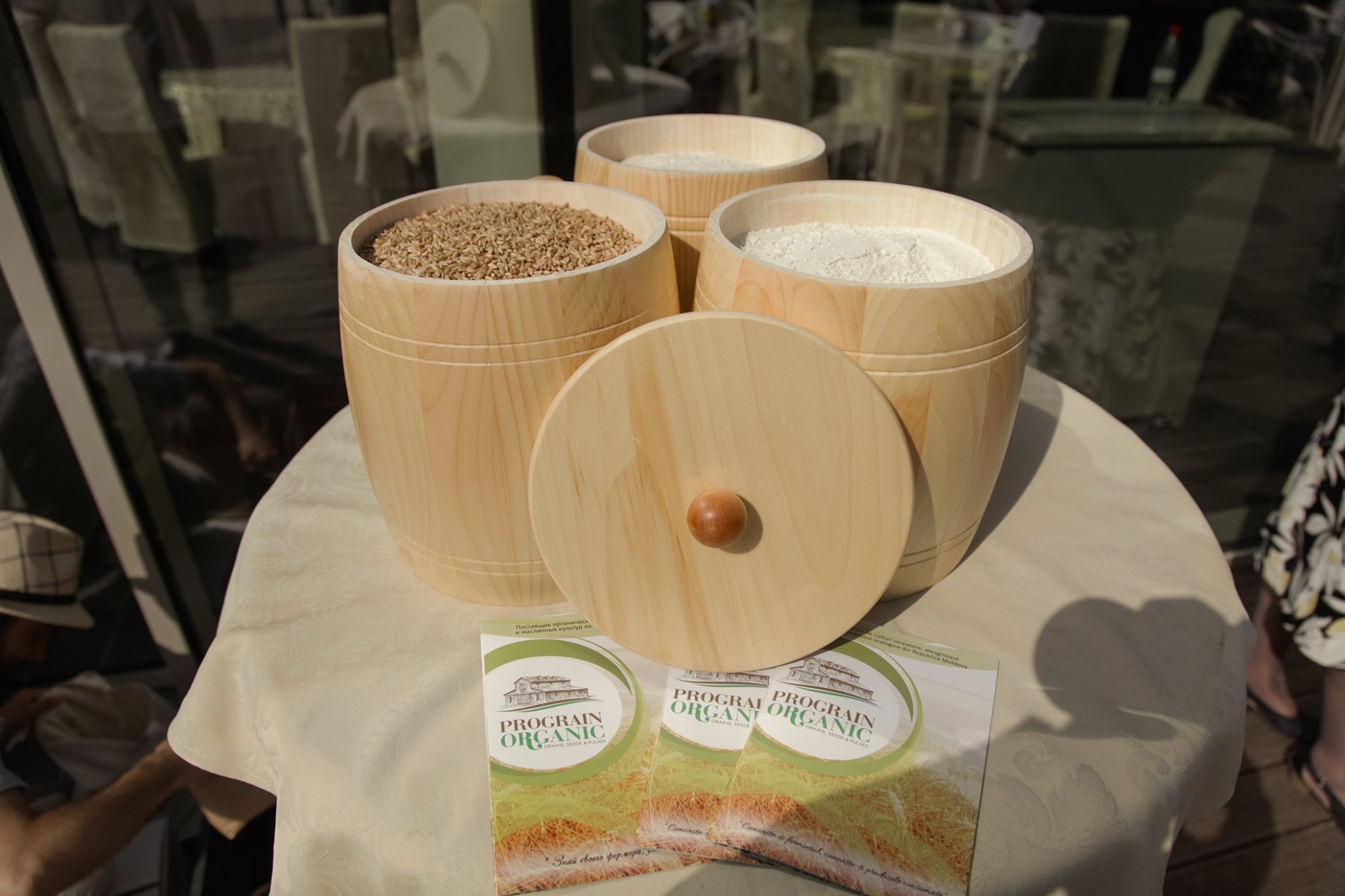
Prograin Organic: Organic agriculture from Moldova is conquering international markets

The agri-food sector remains a central pillar of the Republic of Moldova’s economy, contributing approximately 7.4% to GDP and generating over 45% of total merchandise exports. Cereals and oilseeds represent the largest category of agri-food exports, accounting for 42.3% of the sector’s total exports in 2025, confirming the strategic role of agriculture in the country’s foreign trade.

In a regional context where agriculture is evolving from raw material exports toward higher value-added products, an increasing number of local companies demonstrate that Moldovan agriculture can become competitive at the European level.

A relevant example is Prograin Organic, a company that has built an integrated organic farming model focused on exports, sustainability, and international partnerships.

From a sustainable vision to an integrated agricultural ecosystem

Prograin Organic leverages the agricultural potential of the Republic of Moldova through a business model that covers the entire value chain: cultivation, collection, processing and export of certified organic products.

The company’s growth has been based on durable partnerships with 35 farmers from the central and northern regions of the country, supported in the transition process from conventional agriculture to organic practices compliant with European Union standards.

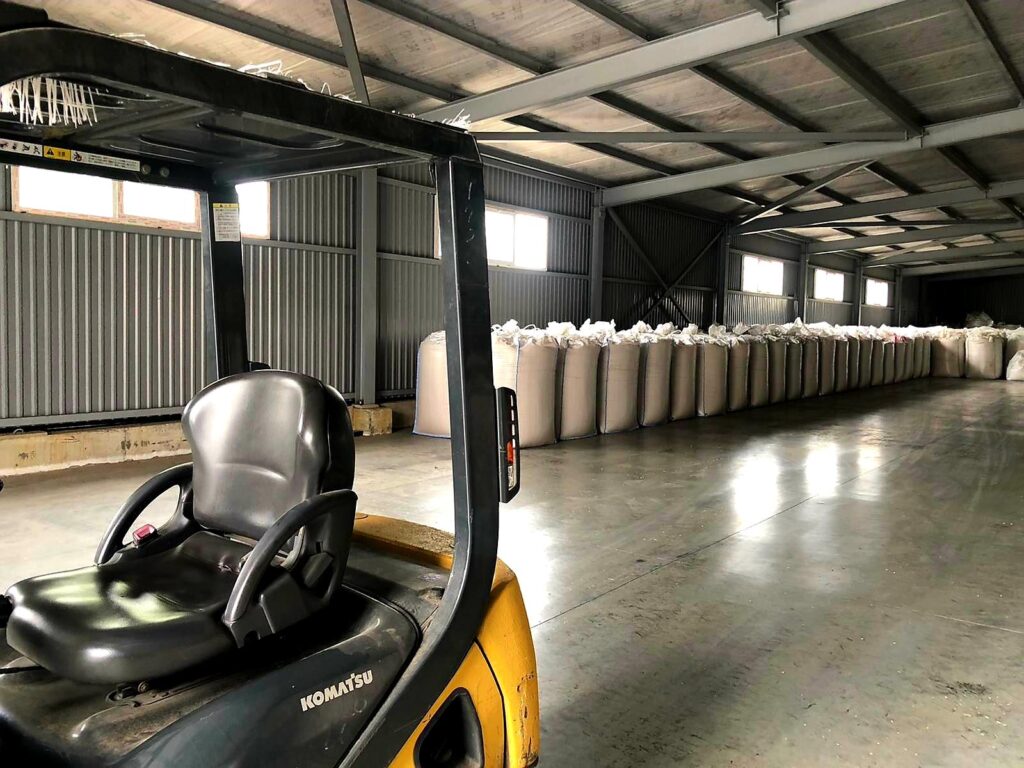
Today, the Prograin Organic ecosystem includes results that reflect the transition from a local agricultural initiative to an integrated operator with economic impact and consistent export capacity:

  • 3,000 hectares cultivated exclusively under organic farming systems
  • approximately 10,000 tons of cereals, oilseeds, and legumes are collected annually
  • a turnover of around 100 million MDL
  • an operational team of 40 specialists

The company’s activity aligns with a broader national trend. In 2025, Moldovan exports of cereals and oilseeds totaled approximately 856 million USD, the highest volume in the last five years, up from around 655 million USD in 2024 (+31%). This evolution reflects the consolidation of export chains and increasing European demand for certified agricultural raw materials.

“For us, organic agriculture represents a responsibility toward the environment and the future of agriculture in the Republic of Moldova. We believe in leveraging the country’s agricultural potential through authentic products that are internationally competitive”, says Spartac Chilat, CEO of Prograin Organic.

The applied model reduces risks for farmers, ensures product traceability, and enables consistent access to Western markets, where demand for organic products continues to grow.

Modern technological infrastructure in Floresti

To meet the strict requirements of international importers, the company has developed a modern processing and storage hub in Floresti. The center is equipped with its own laboratory and advanced cleaning and photo-separation technologies.

An innovative feature is carbon dioxide (CO₂) treatment, which allows grain protection without the use of chemical pesticides. Monitoring of each batch ensures full traceability, an essential requirement for agricultural exports to the European Union.

These technological investments have enabled the company to transform agricultural production into a certified finished product capable of competing in mature markets.

Global expansion and the impact of the BRIDGE Export program

Exports account for approximately 80% of the company’s activity, with main destinations including Germany, Israel, the Netherlands, France, and Italy. Access to these markets has been strategically supported by the Investment Agency through the BRIDGE Export program.

The program facilitates Moldovan companies’ participation in international exhibitions, economic missions, and B2B meetings with foreign importers and investors.

Participation in BIOFACH (Germany), the world’s most important trade fair for organic products, enabled the company to strengthen direct commercial relationships with European distributors.

“The BRIDGE Export program supports the internationalization of Moldovan companies through concrete tools: co-financing participation in international exhibitions, organizing economic missions, and facilitating B2B meetings with importers. It is a suitable instrument for local companies aiming to increase export volumes, diversify destination markets, and strengthen the presence of Moldovan products in competitive foreign markets”, stated Irina Tolstousov, Deputy Director of the Investment Agency.

Over the past three years, the program has generated over 1 billion MDL in national exports, confirming the potential of Moldovan companies in the global agri-food market.

Strategic partnership and European investment

The company’s operational maturity attracted the Dutch fund Anders Invest International Food & Agri Holding BV in 2022, which became the majority shareholder through an investment of approximately 5 million euros.

The capital raised was directed toward infrastructure modernization, the expansion of logistics capacities, and the strengthening of corporate management. Beyond the financial component, the partnership brought international expertise and access to new commercial networks.

The investment confirms the attractiveness of the Moldovan agri-food sector for European investors interested in sustainable agriculture.

Value-added products and consumer orientation

Although predominantly export-oriented, the company launched in 2023 a local range of organic flours and bio seeds, bringing certified products closer to Moldovan consumers. The activity of Prograin Organic reflects a national trend of growth in processed value-added products. In 2025, exports of milling products increased by approximately 16% compared to the previous year, while the fats and oils category remained at around 129 million USD, indicating consolidation in the agri-food processing segment.

Development plans include launching organic sunflower oil production, expanding the gluten-free product portfolio, and entering new markets, including the United States, Japan, and South Korea.

A model for the future of Moldovan agriculture

The evolution of Prograin Organic reflects the transformation of agriculture in the Republic of Moldova: from raw-material exports to certified, value-added products with international competitiveness.

Through investments, modern technologies, and international collaborations, organic agriculture becomes not only an economic opportunity but also a strategic element in positioning the Republic of Moldova as a European supplier of sustainable agri-food products.


A 22-year-old young man from the capital has been detained, suspected of distributing drugs online as part of an organized criminal group. Following the searches, law enforcement officers seized narcotics worth over one million lei, reports IPN.

According to the General Inspectorate of Police, drugs were found at the suspect’s residence, preliminarily hashish and cocaine, as well as high-precision electronic scales and objects used for portioning and packaging substances.

At the same time, the police identified several hideouts arranged by this person, from where they seized packages of narcotic substances. These were to be picked up by other members of the group and distributed to consumers.

If found guilty, the young man risks a prison sentence ranging from 7 to 15 years. Investigations continue to establish all circumstances and identify the individuals involved.

0 FacebookTwitterPinterestEmail


Prograin Organic: Organic agriculture from Moldova is conquering international markets

The agri-food sector remains a central pillar of the Republic of Moldova’s economy, contributing approximately 7.4% to GDP and generating over 45% of total merchandise exports. Cereals and oilseeds represent the largest category of agri-food exports, accounting for 42.3% of the sector’s total exports in 2025, confirming the strategic role of agriculture in the country’s foreign trade.

In a regional context where agriculture is evolving from raw material exports toward higher value-added products, an increasing number of local companies demonstrate that Moldovan agriculture can become competitive at the European level.

A relevant example is Prograin Organic, a company that has built an integrated organic farming model focused on exports, sustainability, and international partnerships.

From a sustainable vision to an integrated agricultural ecosystem

Prograin Organic leverages the agricultural potential of the Republic of Moldova through a business model that covers the entire value chain: cultivation, collection, processing and export of certified organic products.

The company’s growth has been based on durable partnerships with 35 farmers from the central and northern regions of the country, supported in the transition process from conventional agriculture to organic practices compliant with European Union standards.

Today, the Prograin Organic ecosystem includes results that reflect the transition from a local agricultural initiative to an integrated operator with economic impact and consistent export capacity:

  • 3,000 hectares cultivated exclusively under organic farming systems
  • approximately 10,000 tons of cereals, oilseeds, and legumes are collected annually
  • a turnover of around 100 million MDL
  • an operational team of 40 specialists

The company’s activity aligns with a broader national trend. In 2025, Moldovan exports of cereals and oilseeds totaled approximately 856 million USD, the highest volume in the last five years, up from around 655 million USD in 2024 (+31%). This evolution reflects the consolidation of export chains and increasing European demand for certified agricultural raw materials.

“For us, organic agriculture represents a responsibility toward the environment and the future of agriculture in the Republic of Moldova. We believe in leveraging the country’s agricultural potential through authentic products that are internationally competitive”, says Spartac Chilat, CEO of Prograin Organic.

The applied model reduces risks for farmers, ensures product traceability, and enables consistent access to Western markets, where demand for organic products continues to grow.

Modern technological infrastructure in Floresti

To meet the strict requirements of international importers, the company has developed a modern processing and storage hub in Floresti. The center is equipped with its own laboratory and advanced cleaning and photo-separation technologies.

An innovative feature is carbon dioxide (CO₂) treatment, which allows grain protection without the use of chemical pesticides. Monitoring of each batch ensures full traceability, an essential requirement for agricultural exports to the European Union.

These technological investments have enabled the company to transform agricultural production into a certified finished product capable of competing in mature markets.

Global expansion and the impact of the BRIDGE Export program

Exports account for approximately 80% of the company’s activity, with main destinations including Germany, Israel, the Netherlands, France, and Italy. Access to these markets has been strategically supported by the Investment Agency through the BRIDGE Export program.

The program facilitates Moldovan companies’ participation in international exhibitions, economic missions, and B2B meetings with foreign importers and investors.

Participation in BIOFACH (Germany), the world’s most important trade fair for organic products, enabled the company to strengthen direct commercial relationships with European distributors.

“The BRIDGE Export program supports the internationalization of Moldovan companies through concrete tools: co-financing participation in international exhibitions, organizing economic missions, and facilitating B2B meetings with importers. It is a suitable instrument for local companies aiming to increase export volumes, diversify destination markets, and strengthen the presence of Moldovan products in competitive foreign markets”, stated Irina Tolstousov, Deputy Director of the Investment Agency.

Over the past three years, the program has generated over 1 billion MDL in national exports, confirming the potential of Moldovan companies in the global agri-food market.

Strategic partnership and European investment

The company’s operational maturity attracted the Dutch fund Anders Invest International Food & Agri Holding BV in 2022, which became the majority shareholder through an investment of approximately 5 million euros.

The capital raised was directed toward infrastructure modernization, the expansion of logistics capacities, and the strengthening of corporate management. Beyond the financial component, the partnership brought international expertise and access to new commercial networks.

The investment confirms the attractiveness of the Moldovan agri-food sector for European investors interested in sustainable agriculture.

Value-added products and consumer orientation

Although predominantly export-oriented, the company launched in 2023 a local range of organic flours and bio seeds, bringing certified products closer to Moldovan consumers. The activity of Prograin Organic reflects a national trend of growth in processed value-added products. In 2025, exports of milling products increased by approximately 16% compared to the previous year, while the fats and oils category remained at around 129 million USD, indicating consolidation in the agri-food processing segment.

Development plans include launching organic sunflower oil production, expanding the gluten-free product portfolio, and entering new markets, including the United States, Japan, and South Korea.

A model for the future of Moldovan agriculture

The evolution of Prograin Organic reflects the transformation of agriculture in the Republic of Moldova: from raw-material exports to certified, value-added products with international competitiveness.

Through investments, modern technologies, and international collaborations, organic agriculture becomes not only an economic opportunity but also a strategic element in positioning the Republic of Moldova as a European supplier of sustainable agri-food products.


Companies and other taxpayers who pay local taxes have until July 27 to submit their tax reports for the first six months of the year and to pay the amounts owed. The State Fiscal Service warns that exceeding the deadline may result in penalties and late payment increases, reports IPN.

By this date, the Local Tax Report, form TL13, must be submitted, through which taxpayers declare the taxes calculated for the activity carried out. These taxes are set by local authorities and can target areas such as land development, commercial units, markets, parking lots or outdoor advertising.

By July 27, the Report on the Natural Resources Taxes, form TRN21, must also be submitted. The document is mandatory for taxpayers who use resources such as water, sand, gravel, or other resources provided by legislation, and indicates the volumes used and the taxes due.

The State Tax Service recommends taxpayers to submit documents and pay taxes in a timely manner, to avoid potential technical issues or delays. Non-compliance with tax deadlines can lead to the application of fines and late payment surcharges.

0 FacebookTwitterPinterestEmail


1 IANUARIE, 2025
1 IANUARIE, 2025