

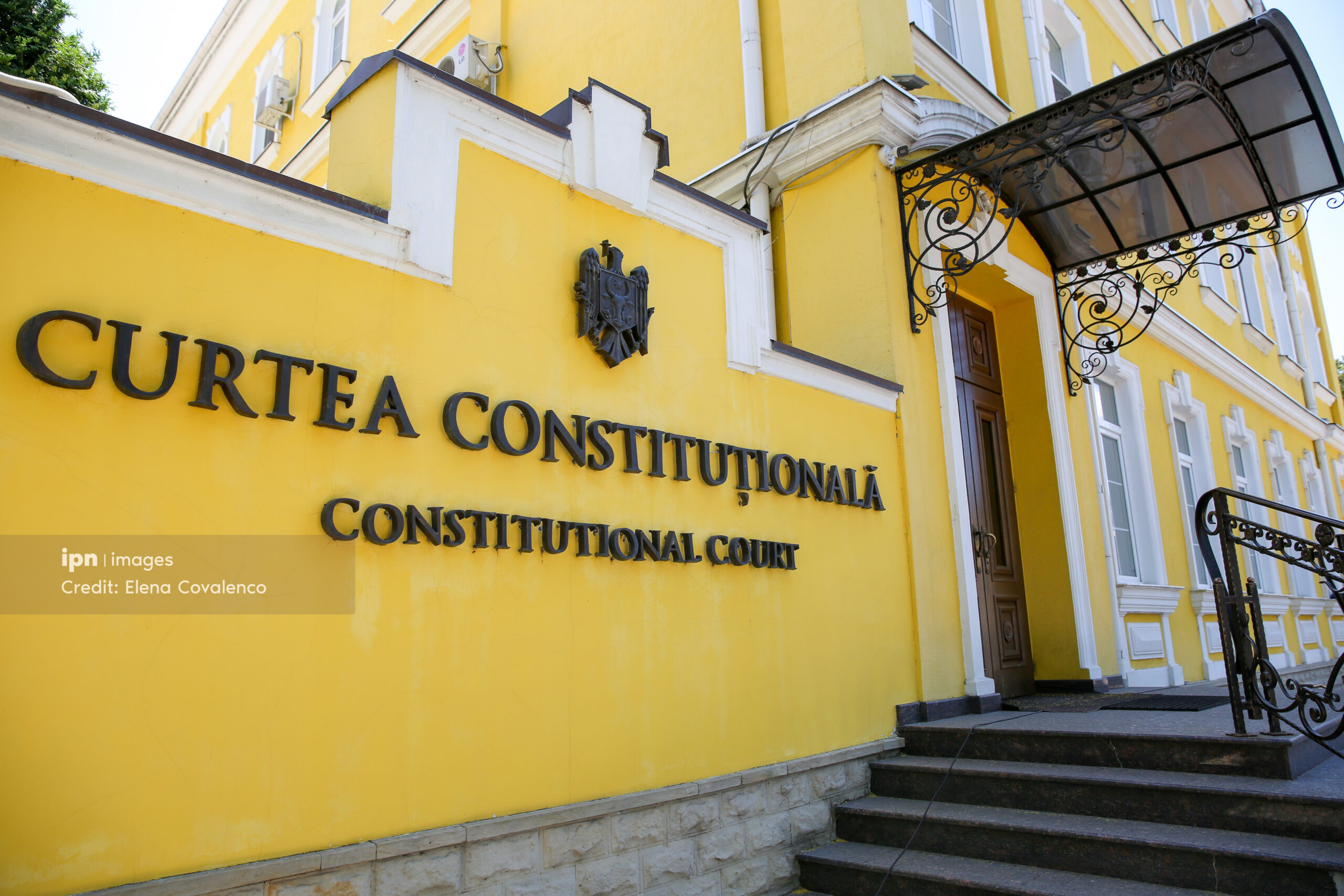
CC rejects opposition’s request to suspend rules on voting threshold in the vetting committee

The Constitutional Court has rejected the opposition deputies’ request to suspend the legal provisions recently adopted by Parliament, which lowered the voting threshold for the appointment of members of external evaluation commissions, reports IPN.

The authors of the complaint argue that the contested provisions affect one of the areas stipulated by law and that the damage would be irreparable. The changes are said to have been introduced through an amendment to a bill with a different subject, avoiding the mandatory procedure of at least two readings required by the Constitution.

The parliamentary opposition has stated that the appointment of committee members by the majority parliamentary vote could compromise the structural impartiality of the committee, and the decisions of a tainted committee could irreparably affect the fundamental rights of the evaluated individuals.

The Court appreciated that the notification does not demonstrate that the application of the provisions would produce irreversible consequences and that these can be remedied by competent bodies or through courts. The suspension of the contested acts is an extreme measure, intended to prevent imminent and irreparable negative consequences for the fundamental values guaranteed by the Constitution.

The opposition has appealed to the Court after the parliamentary majority voted for the amendment to the Law on strengthening the security of judges and prosecutors. Thus, the voting threshold for appointing members of external evaluation commissions was reduced from 61 to 51 votes. The legislative change has sparked harsh criticism, including from civil society, who accused it of haste and lack of transparency.
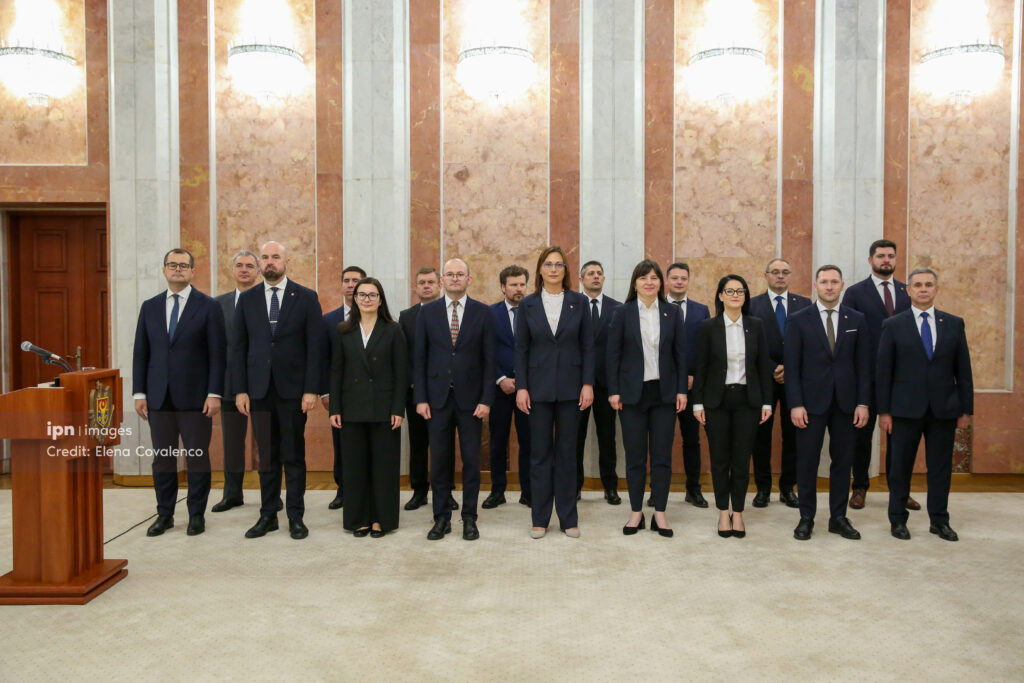
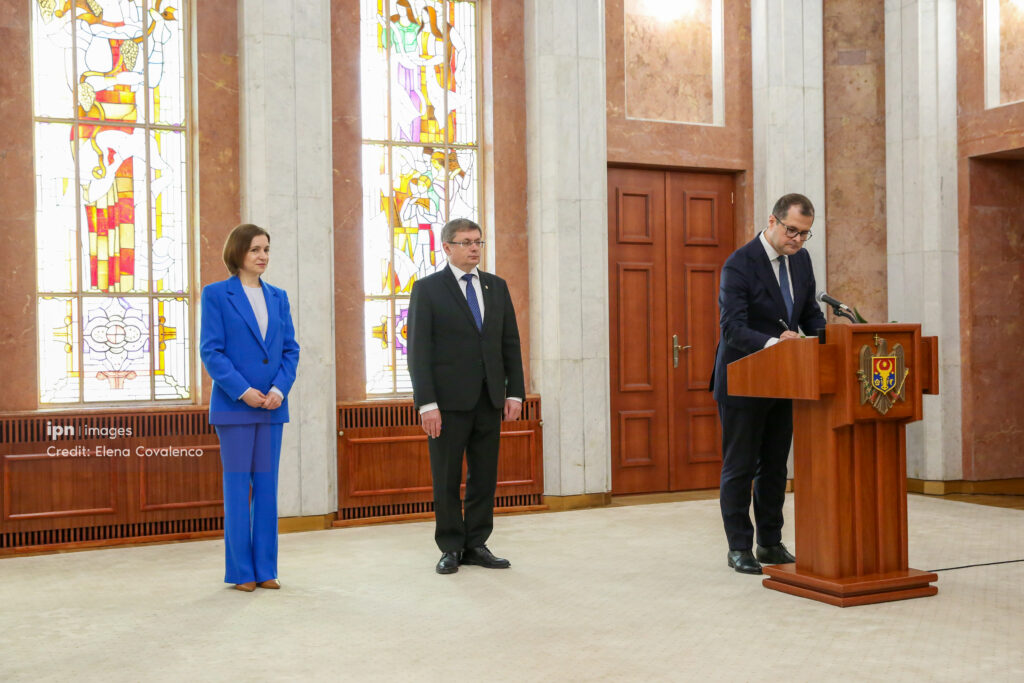
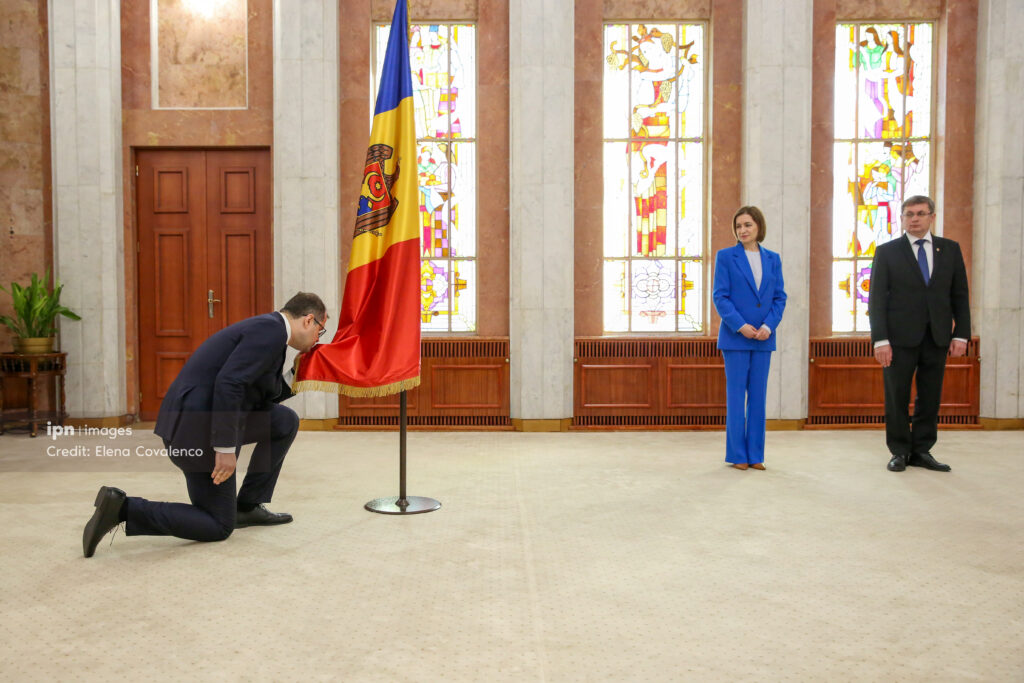
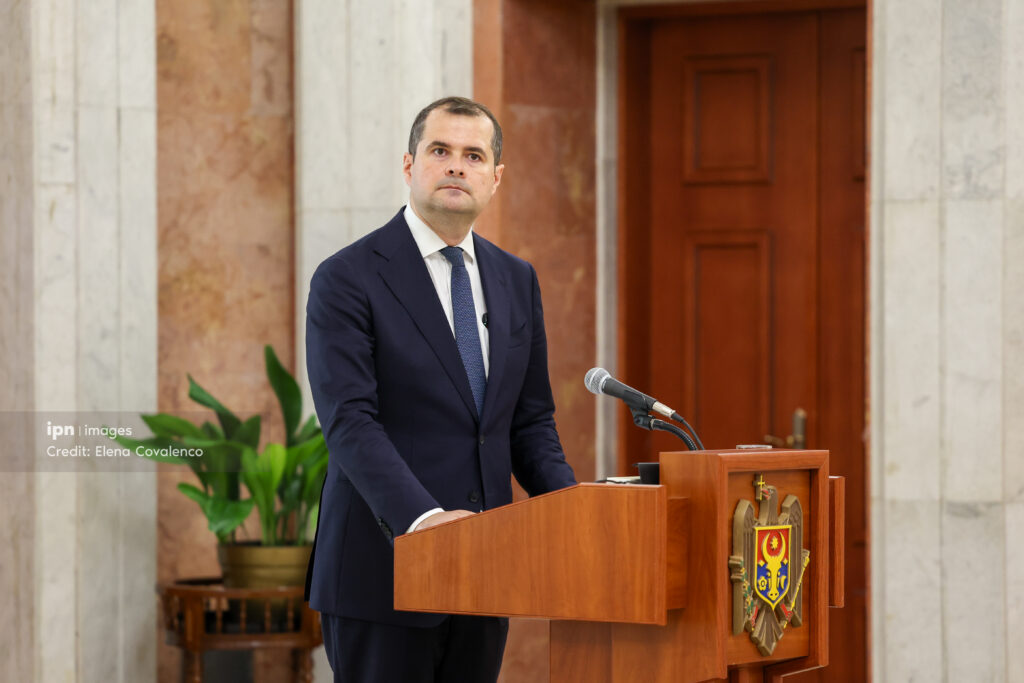
The cabinet of ministers led by Vasile Tofan took the oath of office, a day after receiving the vote of confidence from the Parliament. During the ceremony at the Presidency, Maia Sandu asked the new executive to complete the initiated reforms, to strengthen the country’s security and to accelerate the process of European integration, reports IPN.

The head of state urged the Government to successfully complete major impact reforms and to respect the commitments made to the Parliament regarding economic development, improving the business environment, managing public property, and absorbing European funds. “Yesterday in Parliament, I heard big promises. Please keep your word”, said Maia Sandu.

The President emphasized that the executive must strengthen national security by reinforcing institutions in the field of defense, security, and public order, ensuring energy security and increasing societal resilience. At the same time, the head of state reiterated that investments in education, culture, health, social protection and environmental policies must remain priorities, despite the increasingly complicated regional and international context.

The new executive largely retains the composition of the former cabinet, with only four new ministers appointed. Alexandru Gasnas takes over the leadership of the Ministry of Health, Radu Musteata will lead the Ministry of Agriculture and Food Industry, Victoria Belous returns to the Ministry of Finance and Dan Suruceanu takes over the Ministry of Culture.

The Deputy Prime Ministers for Reintegration and European Integration, Valeriu Chiveri and Cristina Gherasimov, retain their positions. Eugen Osmochescu, Vladimir Bolea and Mihai Popsoi, who head the Ministries of Economic Development and Digitization, Infrastructure and Regional Development and Foreign Affairs, also remain in the Government.

Dan Perciun continues his activity at the Ministry of Education and Research, Daniella Misail-Nichitin at the Ministry of Internal Affairs, Vladislav Cojuhari at the Ministry of Justice, and Natalia Plugaru at the Ministry of Labor and Social Protection. Also, Gheorghe Hajder remains in office at the Ministry of Environment, Dorin Junghietu at the Ministry of Energy and Anatolie Nosatii at the Ministry of Defense. Alexei Buzu retains his position as the Secretary General of the Government.

Vasile Tofan was designated as the candidate for the Prime Minister position by President Maia Sandu, at the proposal of the Action and Solidarity Party, following the resignation of Alexandru Munteanu. His cabinet was invested by Parliament with the vote of 53 deputies.

0 FacebookTwitterPinterestEmail


CC rejects opposition’s request to suspend rules on voting threshold in the vetting committee

The Constitutional Court has rejected the opposition deputies’ request to suspend the legal provisions recently adopted by Parliament, which lowered the voting threshold for the appointment of members of external evaluation commissions, reports IPN.

The authors of the complaint argue that the contested provisions affect one of the areas stipulated by law and that the damage would be irreparable. The changes are said to have been introduced through an amendment to a bill with a different subject, avoiding the mandatory procedure of at least two readings required by the Constitution.

The parliamentary opposition has stated that the appointment of committee members by the majority parliamentary vote could compromise the structural impartiality of the committee, and the decisions of a tainted committee could irreparably affect the fundamental rights of the evaluated individuals.

The Court appreciated that the notification does not demonstrate that the application of the provisions would produce irreversible consequences and that these can be remedied by competent bodies or through courts. The suspension of the contested acts is an extreme measure, intended to prevent imminent and irreparable negative consequences for the fundamental values guaranteed by the Constitution.

The opposition has appealed to the Court after the parliamentary majority voted for the amendment to the Law on strengthening the security of judges and prosecutors. Thus, the voting threshold for appointing members of external evaluation commissions was reduced from 61 to 51 votes. The legislative change has sparked harsh criticism, including from civil society, who accused it of haste and lack of transparency.


1 IANUARIE, 2025
1 IANUARIE, 2025