

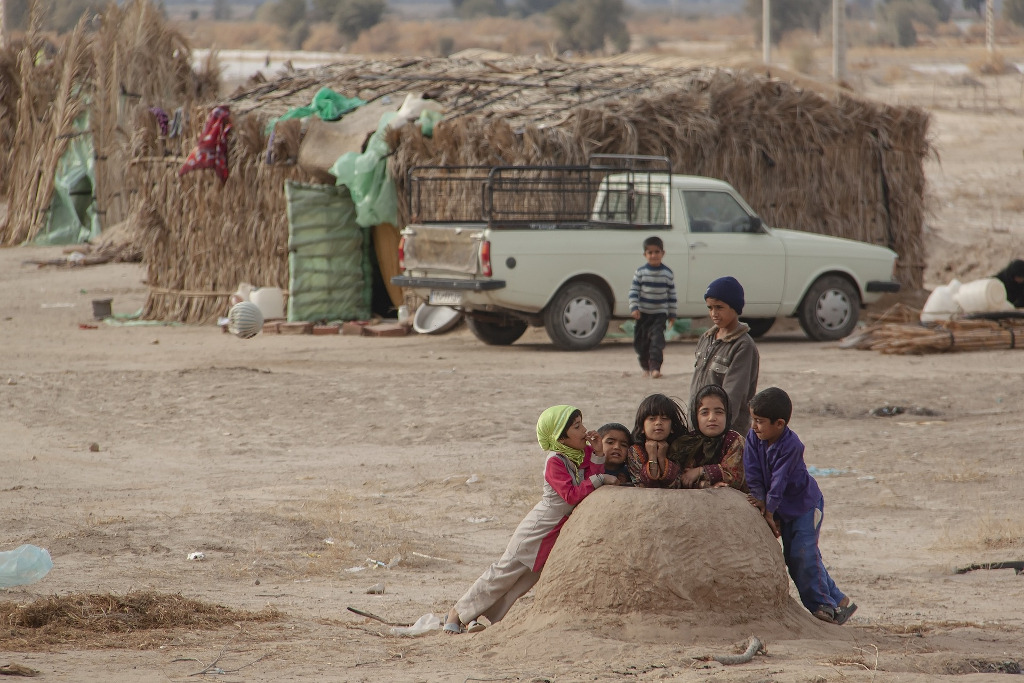
UNICEF estimates that 180 children have been killed as a result of the conflict in Iran

Sursa foto: Pixabay

The United Nations Children’s Fund (UNICEF) estimates that, following the escalation of the conflict in Iran, approximately 180 children have been killed and many others injured. The information is presented in a statement issued by UNICEF for the Middle East and North Africa region, reports IPN.

According to the organization, the majority of victims – 168 girls – lost their lives in an attack on the “Shajareh Tayyebeh” Primary Girls School in the city of Minab, located in southern Iran, on February 28. According to available information, most of the children killed were aged between 7 and 12 years old.

UNICEF states that another 12 children have been killed in attacks on other educational institutions in five different locations in Iran. The organization emphasizes that these losses represent “a painful reminder of the brutality of war and violence against children”, having effects that can mark families and communities for entire generations.

According to the preliminary data cited, at least 20 schools and 10 hospitals would have been damaged as a result of the military strikes in Iran.

UNICEF reminds that, according to international humanitarian law, children and educational institutions must be protected and remain safe places. The organization calls on all parties involved in the conflict to respect their international obligations and ensure the protection of civilians.

The conflict in the Middle East has entered its seventh day of military action, significantly escalating following the killing of Iran’s supreme leader, Ayatollah Ali Khamenei, in an American-Israeli operation. As a result, large-scale reciprocal attacks have been launched between Iran, Israel, and the United States, with confrontations including strikes on strategic infrastructure and waves of rockets and drones in several states in the region.


Official documents issued in the Republic of Moldova and Germany may now be used in each other’s countries with only an apostille, without the need for the legalization procedure. The measure enters into force following the Federal Republic of Germany’s withdrawal of the reservation it made in 2007 when the Republic of Moldova acceded to the Hague Apostille Convention, IPN reports.

The Ministry of Foreign Affairs states that the decision was made following steps taken by Deputy Prime Minister Mihai Popsoi, Minister of Foreign Affairs, during his May 18–19 meeting with his German counterpart, Johann David Wadephul.

The ministry emphasizes that the new system will eliminate the need to visit multiple institutions or diplomatic missions to have documents legalized, which will reduce both the time required and the costs incurred by citizens. The simplified procedure will apply to official documents such as birth, marriage, divorce, and death certificates, criminal records, academic diplomas, and diploma supplements.

The Hague Convention on the Apostille entered into force for the Republic of Moldova on March 16, 2007. With its implementation in relations with Germany, the Republic of Moldova will benefit from the same simplified procedure for the recognition of official documents as it does with all 130 states and entities that are parties to the convention.

0 FacebookTwitterPinterestEmail


UNICEF estimates that 180 children have been killed as a result of the conflict in Iran

Sursa foto: Pixabay

The United Nations Children’s Fund (UNICEF) estimates that, following the escalation of the conflict in Iran, approximately 180 children have been killed and many others injured. The information is presented in a statement issued by UNICEF for the Middle East and North Africa region, reports IPN.

According to the organization, the majority of victims – 168 girls – lost their lives in an attack on the “Shajareh Tayyebeh” Primary Girls School in the city of Minab, located in southern Iran, on February 28. According to available information, most of the children killed were aged between 7 and 12 years old.

UNICEF states that another 12 children have been killed in attacks on other educational institutions in five different locations in Iran. The organization emphasizes that these losses represent “a painful reminder of the brutality of war and violence against children”, having effects that can mark families and communities for entire generations.

According to the preliminary data cited, at least 20 schools and 10 hospitals would have been damaged as a result of the military strikes in Iran.

UNICEF reminds that, according to international humanitarian law, children and educational institutions must be protected and remain safe places. The organization calls on all parties involved in the conflict to respect their international obligations and ensure the protection of civilians.

The conflict in the Middle East has entered its seventh day of military action, significantly escalating following the killing of Iran’s supreme leader, Ayatollah Ali Khamenei, in an American-Israeli operation. As a result, large-scale reciprocal attacks have been launched between Iran, Israel, and the United States, with confrontations including strikes on strategic infrastructure and waves of rockets and drones in several states in the region.


Maritime schools could be opened in Moldova following the full transposition of relevant European legislation. The statement was made by Deputy Prime Minister Vladimir Bolea, Minister of Infrastructure and Regional Development, who noted that there is growing interest in such programs, including from Ukrainian citizens affected by the war, according to IPN.

Vladimir Bolea stated that the new regulations will allow seaman’s books to be issued based on studies completed in the Republic of Moldova at authorized institutions.

The minister told the press that, at present, no ships are sailing under the flag of the Republic of Moldova, but the authorities are working to transpose European legislation and develop the legal framework necessary for the development of this sector.

According to him, the state and the Naval Agency could generate significant revenue both from ships sailing under the Moldovan flag and from institutions that train seafarers.

0 FacebookTwitterPinterestEmail


1 IANUARIE, 2025
1 IANUARIE, 2025