




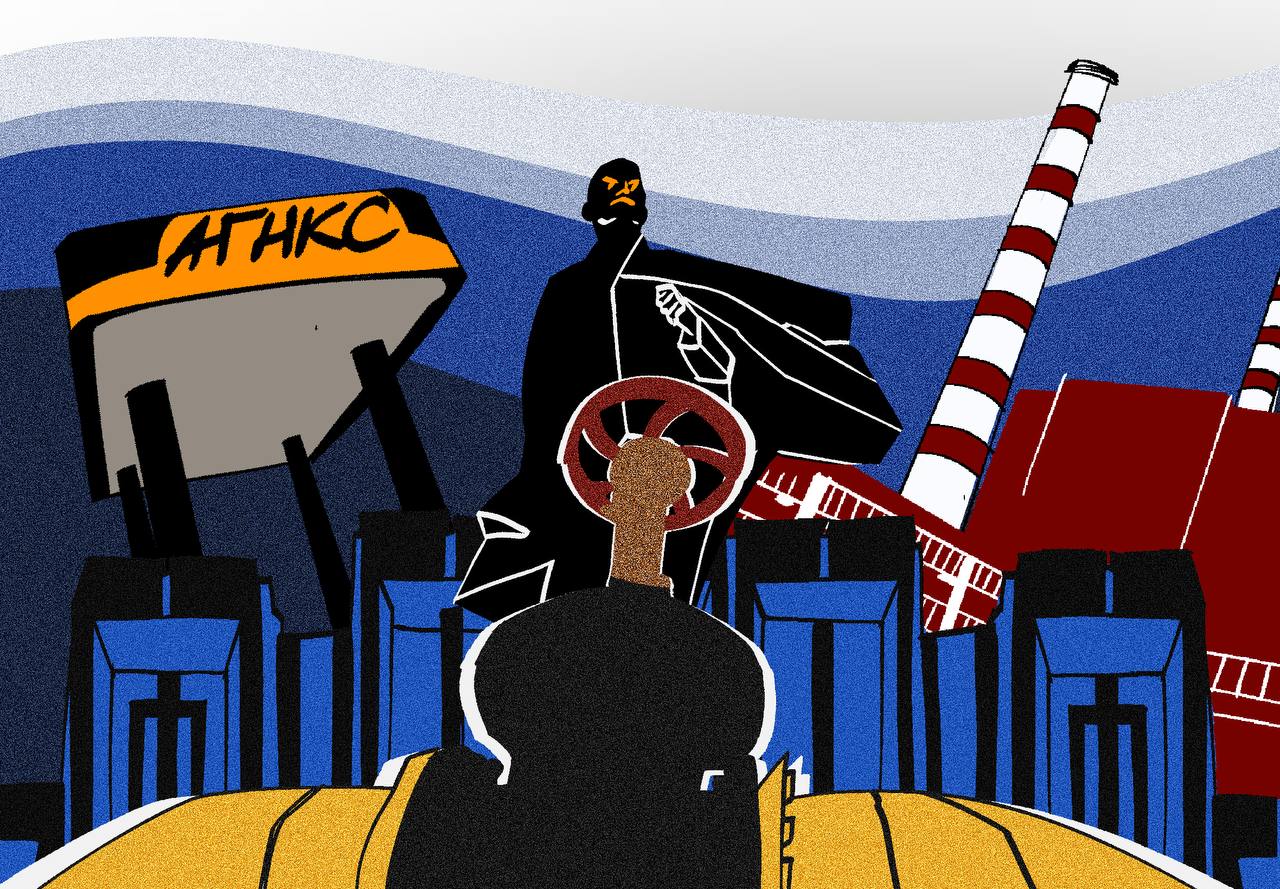
The decision to declare a state of economic emergency has been taken in the Transnistrian region. The reasons cited are difficulties related to natural gas supply and the risk of a deficit. The decision was communicated on December 15, during a video conference meeting attended by the region’s leadership, reports the IPN correspondent from the left bank of the Dniester.
The introduction of a state of emergency in the economy was announced by the leader of Tiraspol, Vadim Krasnoselski, emphasizing that the measure is temporary and necessary for stabilizing the gas supply situation. According to him, the emerging problems are related to delays and slowdowns in financial payments, on which the purchase and delivery of gas depend. Given the limited volumes, the decision was made to reduce gas supply for industry, in order to meet the needs of the population.
Amid gas restrictions, according to information from the IPN agency, citing sources from the region, employees of three major companies have been sent on technical unemployment. These are the Rabnita Cement Factory, the “Tirotex” textile mill and the Metallurgical Plant.
The so-called decree on the introduction of the state of emergency in the economy is expected to be signed shortly and sent to the supreme soviet on the left bank of the Dniester. The next meeting is scheduled for December 17th.
During the meeting, the situation in the energy sector was also discussed. The so-called Minister of Economic Development, Serghei Obolonik, reported about interruptions in electricity and heat supply recorded over the weekend. According to him, the emergencies were caused by urgent switchovers and the triggering of automatic systems as a result of events in Ukraine. It is mentioned that the malfunctions were quickly rectified.
This is about a massive attack on the energy infrastructure in the south of Ukraine, which took place at night and in the morning of December 13th. Energy targets in the Odessa and Nikolaev regions were targeted, leading to major disruptions in the supply of electricity, heat and water. These events affected the operation of the regional energy system and, considering the technological interconnection of the networks, also impacted the energy supply in the Transnistrian region.
