

New heating distribution methodology contains errors from previous iteration, expert

The new methodology for calculating heating distribution costs proposed by the Ministry of Energy contains practically the same mistakes from the methodology that has been in force since October 2022, says the energy expert Sergiu Ungureanu.

One example, according to Ungureanu, is that no exact calculation is made of the heat flow that must be paid by the final consumer, regardless of whether they are connected or disconnected from the centralized system.y

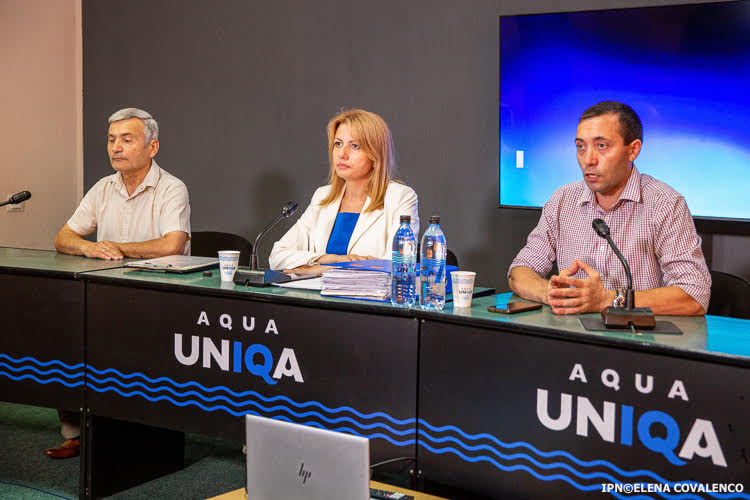
In a press conference held together with the former lawmaker Arina Spătaru, the expert stated that the methodology proposed today is “practically copied word for word” from the previous iteration, which already “raised a lot of dissatisfaction” among consumers.

“There are situations where, for example, there is no technical floor or heated basement, but the methodology considers them implicitly. Another thing, also very important, losses through technical walls are not considered. Now, there are walls that have a certain thickness, there are walls that can be insulated, because many people have done this, but that is not taken into account. At the same time, many have undertaken other energy efficiency measures, replaced the windows for instance, and this, again, is not taken into account”, explains Sergiu Ungureanu.

According to him, the methodology does not define heated or unheated basement, or insulated and non-insulated pipes. “One of the big problems we observe in this methodology is the non-transparency, because for each block, each user must know very well all the data used in the calculations. It is not a transparency related to the total heated surface of a block. Many have made changes – they added balconies, lodges or additional buildings to the heated surface, increased the number of elements in the heating system. So, today, every citizen does not have access to know what is the heated surface of their neighbors or of whole block”, said the energy expert.

Sergiu Ungureanu added that the calculation formulas in the methodology were based on a study that did not pass all the prescribed stages. “The baseline data in this study is somehow included without being calculated accurately. Therefore, the resulting formulas also raise many questions from a technical point of view. There are many solutions to have a better methodology, including the need for individual counters, which today is possible”, the expert added.


The Independent Analytical Center “Expert-Grup”, in collaboration with Maib and with the support of the Embassy of the Kingdom of the Netherlands in the Republic of Moldova, organizes the launch event of the public offer regarding the municipal bonds issued by the Ceadâr-Lunga City Hall /maib park /at 10:00 AM/.

The PRESS AGENCY IPN invites media representatives to the public debate on the topic: “Neutrality and the defense capacity of the citizen and the state”, the 354th edition of the series “Developing political culture in public debates”. Participants: Dionis Cenusa, political scientist, associate expert at the Center for Eastern European Studies, Lithuania; Andrei Curararu, expert in international and national security, WatchDog Community; Igor Botan, permanent expert of the project /Conference room of the IPN Agency, Teatrului street, 2/2, 3rd floor, online on the YouTube channel of the Agency, on the Facebook page IPN Press Agency and accessed later in the archive; Realitatea TV, live or replayed, as well as on www.Rlive.md /at 11:00 AM/.

The Ministry of Education and Research, in partnership with the Interethnic Relations Agency, the Ethnographic Association of Roma and the “Voice of the Roma” Coalition, is organizing a roundtable discussion entitled: “The Memory of the Roma Holocaust – lessons for the present and future”, in the context of the European Day of Remembrance for Victims of the Holocaust against the Roma /Government House, entrance from Banulescu-Bodoni Street /at 11:00 AM/.

The exhibition “Bessarabian Authors in the World” is inaugurated as part of the Diaspora Days 2026, which takes place under the theme “Wherever we are, Moldova unites us!” /National Library of the Republic of Moldova /at 11:00 AM/.

The People’s Assembly of Gagauzia convenes for a meeting /APG, Comrat /at 02:00 PM/.

Flower laying and the unveiling ceremony of the commemorative plaque dedicated to the memory of the Holocaust victims against the Roma during the Second World War will take place /at the Visterniceni Station area in the city of Chisinau, Petricani street no. 3 /at 03:00 PM/.

The Minister of Foreign Affairs of the Republic of Latvia, Baiba Braže, is making a working visit to the Republic of Moldova /August 3-4/.

0 FacebookTwitterPinterestEmail


New heating distribution methodology contains errors from previous iteration, expert

The new methodology for calculating heating distribution costs proposed by the Ministry of Energy contains practically the same mistakes from the methodology that has been in force since October 2022, says the energy expert Sergiu Ungureanu.

One example, according to Ungureanu, is that no exact calculation is made of the heat flow that must be paid by the final consumer, regardless of whether they are connected or disconnected from the centralized system.y

In a press conference held together with the former lawmaker Arina Spătaru, the expert stated that the methodology proposed today is “practically copied word for word” from the previous iteration, which already “raised a lot of dissatisfaction” among consumers.

“There are situations where, for example, there is no technical floor or heated basement, but the methodology considers them implicitly. Another thing, also very important, losses through technical walls are not considered. Now, there are walls that have a certain thickness, there are walls that can be insulated, because many people have done this, but that is not taken into account. At the same time, many have undertaken other energy efficiency measures, replaced the windows for instance, and this, again, is not taken into account”, explains Sergiu Ungureanu.

According to him, the methodology does not define heated or unheated basement, or insulated and non-insulated pipes. “One of the big problems we observe in this methodology is the non-transparency, because for each block, each user must know very well all the data used in the calculations. It is not a transparency related to the total heated surface of a block. Many have made changes – they added balconies, lodges or additional buildings to the heated surface, increased the number of elements in the heating system. So, today, every citizen does not have access to know what is the heated surface of their neighbors or of whole block”, said the energy expert.

Sergiu Ungureanu added that the calculation formulas in the methodology were based on a study that did not pass all the prescribed stages. “The baseline data in this study is somehow included without being calculated accurately. Therefore, the resulting formulas also raise many questions from a technical point of view. There are many solutions to have a better methodology, including the need for individual counters, which today is possible”, the expert added.


One in ten students in Moldova comes from abroad. Their number has reached a record level in the academic year 2025-2026 – 6,423 people, 667 more than the previous year. Economic expert Veaceslav Ionita believes that this segment has significant potential, but it remains insufficiently exploited, reports IPN.

The proportion of foreign students in the total university population has significantly increased in recent years, from 1.3% in 2010 to 10.2% in 2026. According to the IDIS “Viitorul” expert, attracting young people from other countries can contribute both to the financial consolidation of universities and to the improvement of education quality and the development of educational services export.

The majority of foreign students come from Romania – 56.4% of the total. This is followed by India, with 19%, Ukraine – 8.6%, Turkey – 6.9% and Israel – 6.7%.

Veaceslav Ionita asserts that the Republic of Moldova has several advantages in attracting international students, among which are the cultural and linguistic proximity to Romania, but also the possibility of developing training programs in Romanian for young people from other countries.

In the last two decades, the total number of students in the Republic of Moldova has decreased from about 128 thousand in 2006-2007 to 62,900 in 2025-2026. However, in the last two years, their number has increased by about 6,400, and approximately 20% of this increase was generated by the rise in the number of foreign students.

0 FacebookTwitterPinterestEmail


1 IANUARIE, 2025
1 IANUARIE, 2025