

Irrigation from artesian wells will affect ecological security, ecologist

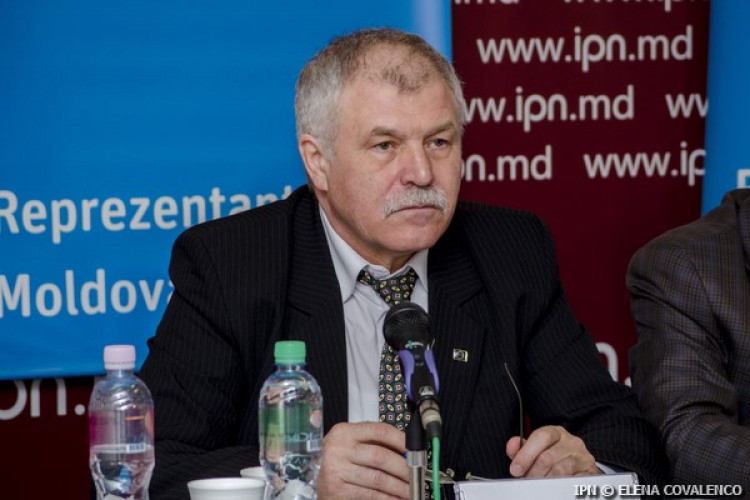
The President’s initiative to allow irrigating high value crops with water from artesian wells is an adventure that will undermine Moldova’s ecological security, chairman of the Ecologist Movement of Moldova Alecu Reniţă said when he was asked by IPN to pronounce on this project.

Alecu Reniţă said there are strategic reserves of drinking water for over 3 million people beneath the ground. If this water is used in irrigation, it can be wasted swiftly and there will be no drinking water at all. Over 70% of the rural population does not yet have access to drinking water.

The water, the springs disappear from wells in tens of localities of Moldova. Of the over 3,000 small rivers existing in the country, a large part have become dry. “There were persons who interfered with different ecosystems and destroyed them. When you destroy an ecosystem, you unbalance a large region,” stated Alecu Reniţă, noting that if the radioactive cloud from Chernobyl had come to Moldova in 1986, all the surface water would have been contaminated radioactively and become unfit for use.

Researches show that Moldova’s groundwater contains a high percentage of mineralization and mineral salts go to soil together with water. “There are studies showing that if groundwater is used in irrigation, the soil will be affected and we risk not only losing water, but also destroying the fertility of soil. The soil will be covered with a layer of salt on hundreds of hectare and not even desert vegetation will grow there,” explained the ecologist.

According to Alecu Reniţă, two important things should be remembered when considering the possibility of allowing irrigation from artesian wells – that drinking water is consumed and that soil resources are destroyed. 3 million people will remain without water and this is terrible. Modern irrigation systems should be built based on surface water. The over 16,000 km of irrigation systems existing in Moldova should be restored.

The ecologist added that of the over 3,000 small rivers existing in Moldova, none of them has water that would meet the drinking water standards. “This means that any locality, in case of a catastrophe or lack of water could not give water to animals at least,” he stated.

In the program “President Responds”, President Igor Dodon said that Parliament, at the request of farmers and on the President’s initiative, in April modified the law and allowed irrigation from ponds and lakes even if these are private ones. “This is not enough! As to the second initiative, we asked that our colleagues from the Government by end-July allow irrigation from artesian wells for high value crops, such as orchards,” stated the official.


Foreign citizens coming to Moldova for seasonal work can carry out agricultural activities for a period of up to nine months, cumulatively calculated within a 12-month calendar interval. The General Inspectorate for Migration presents the simplified documentation procedure for this category of workers, in the context of intensifying seasonal agricultural work, reports IPN.

Seasonal work is carried out based on an individual employment contract concluded with the employer and the confirmation of the right to temporary stay on the territory of the Republic of Moldova, issued by IGM. For seasonal workers, the procedure for obtaining the right to temporary stay is simplified and requires a minimum set of supporting documents.

Employers are obliged to notify the Migration Inspectorate about the employment of foreign citizens within a maximum of five working days from the start of activities, and to comply with the legal provisions regarding wages, working conditions, and, where applicable, the accommodation of workers.

At the same time, the IGM recommends employers to verify the eligibility of individuals they intend to hire and the validity of their travel documents, to submit the declaration regarding the request for the right of temporary stay to the territorial subdivisions of the institution, and to avoid the illegal employment of foreign citizens.

The illegal employment of foreign workers can attract administrative sanctions and restrictions on subsequent hiring.

0 FacebookTwitterPinterestEmail


Irrigation from artesian wells will affect ecological security, ecologist

The President’s initiative to allow irrigating high value crops with water from artesian wells is an adventure that will undermine Moldova’s ecological security, chairman of the Ecologist Movement of Moldova Alecu Reniţă said when he was asked by IPN to pronounce on this project.

Alecu Reniţă said there are strategic reserves of drinking water for over 3 million people beneath the ground. If this water is used in irrigation, it can be wasted swiftly and there will be no drinking water at all. Over 70% of the rural population does not yet have access to drinking water.

The water, the springs disappear from wells in tens of localities of Moldova. Of the over 3,000 small rivers existing in the country, a large part have become dry. “There were persons who interfered with different ecosystems and destroyed them. When you destroy an ecosystem, you unbalance a large region,” stated Alecu Reniţă, noting that if the radioactive cloud from Chernobyl had come to Moldova in 1986, all the surface water would have been contaminated radioactively and become unfit for use.

Researches show that Moldova’s groundwater contains a high percentage of mineralization and mineral salts go to soil together with water. “There are studies showing that if groundwater is used in irrigation, the soil will be affected and we risk not only losing water, but also destroying the fertility of soil. The soil will be covered with a layer of salt on hundreds of hectare and not even desert vegetation will grow there,” explained the ecologist.

According to Alecu Reniţă, two important things should be remembered when considering the possibility of allowing irrigation from artesian wells – that drinking water is consumed and that soil resources are destroyed. 3 million people will remain without water and this is terrible. Modern irrigation systems should be built based on surface water. The over 16,000 km of irrigation systems existing in Moldova should be restored.

The ecologist added that of the over 3,000 small rivers existing in Moldova, none of them has water that would meet the drinking water standards. “This means that any locality, in case of a catastrophe or lack of water could not give water to animals at least,” he stated.

In the program “President Responds”, President Igor Dodon said that Parliament, at the request of farmers and on the President’s initiative, in April modified the law and allowed irrigation from ponds and lakes even if these are private ones. “This is not enough! As to the second initiative, we asked that our colleagues from the Government by end-July allow irrigation from artesian wells for high value crops, such as orchards,” stated the official.


The MIA Instant Payments system continues to expand among users and the business environment in the Republic of Moldova. Two years after the launch of the P2B (Person to Business) functionality, over 11 thousand companies and entrepreneurs are using the solution for accepting payments, which is available in more than 23 thousand acceptance points throughout the country, reports IPN.

The platform allows payments to be made directly from the mobile phone, in a few seconds, at reduced or even free costs. According to the National Bank of Moldova, over 3.8 million payments to the business environment were made through MIA Instant Payments, with a total value of about two billion lei.

Payments to merchants and service providers can be made by scanning a QR code, accessing a payment link, or accepting a request directly in the client’s banking application. The funds reach the beneficiary in about 10 seconds, allowing for more efficient cash flow management.

At the same time, in the first year of operation of the P2G (Person to Government) component, citizens made over 113 thousand payments to state institutions, with a total value of over 64 million lei. The functionality allows the payment of taxes, fines and public services through the EVO and MPay governmental platforms, directly from the user’s financial application.

At present, in the MIA Instant Payments system, over 985 thousand unique users are registered. Monthly, approximately two million transactions are carried out through the platform, with a value of almost two billion lei.

0 FacebookTwitterPinterestEmail


1 IANUARIE, 2025
1 IANUARIE, 2025