
Inclusive education development program hasn’t been fully implemented, report

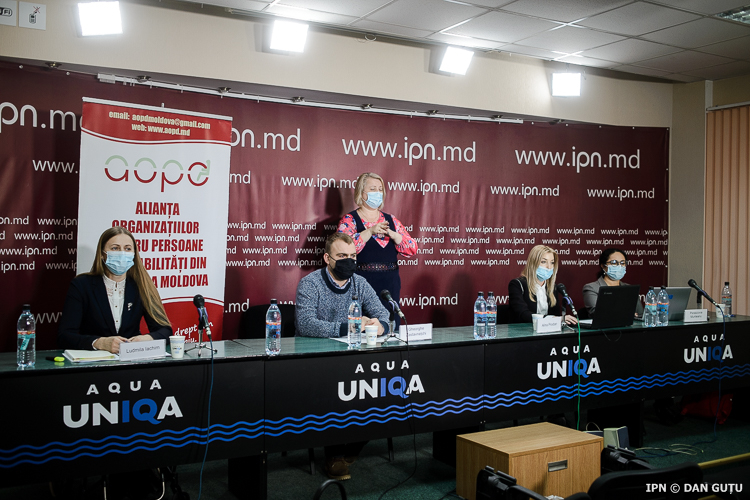
The progress report of the Ministry of Education, Culture and Research for 2019 does not include all the results achieved in the implementation of the plan of action for implementing the inclusive education development program for 2011-2020. It is thus hard to identify the achieved objectives and the subsequent steps. The data from the published reports are different or these contain partial information about the achieved results. This points to a difficulty in communication at the central level. Also, insufficient resources are provided for inclusive education at the local level, says the monitoring report on the implementation of the action plan for 2019-2020 for implementing the inclusive education development program for 2011-2020, which was compiled by the Center “Speranţa” in cooperation with the Alliance of Organizations for Persons with Disabilities of the Republic of Moldova.

“Of the 37 sub-actions in five intervention areas, 20 were implemented by the end of 2019, which is about 54%. Another 16 sub-actions are in the process of being implemented, but are overdue as they were to be put into practice by the last month of 2019 or earlier,” Gheorghe Zastavnetski, project coordinator at the Center “Speranţa”, stated in a news conference at IPN.

He recommended compiling the annual report on the implementation of the action plan separately from the general progress report of the Ministry of Education so that the persons or the institutions interested in this area know what results were achieved and where increased effort should be made. It is recommended formulating numerical and reference progress indicators so as to facilitate the monitoring of the made progress, incorporating the costs for the planned activities and reporting the costs incurred for implementing the plan.

Ludmila Iachim, executive director of “Motivaţie” Association, presented the monitoring report on the action plan for reforming the disability determination system for 2019. The collected data show that only three of the nine actions were fully implemented. As to the achievement of indicators, 43% of these were achieved, 26% are close to being achieved, 9% are overdue, while 22% weren’t achieved.

Four of the nine monitored permanent actions do not indicate the numerical result indicators. There is no data about the financial resources used to implement the planned actions. In the case of particular actions, the reported progress indicators differed from the set indicators. These are the conclusions reached after monitoring the actions.

To implement the reform, Ludmila Iachim recommends consulting the persons with disabilities and the organizations representing them in the decision-making process on the optimal solutions for reforming the disability determination system, developing or improving the institutional management centered on quality and satisfaction of beneficiaries and ensuring of sign-language interpretation at the meetings of the disability determination commission during the assessment of the file in the presence of persons with hearing impairments.

The monitoring reports were produced in the framework of the project “National Partnerships and Local Involvement for Inclusion of Persons with Disabilities” that is implemented with support from East Europe Foundation in concert with the Center “Partnership for Development” with funds provided by the Swiss Agency for Development and Cooperation and the Government of Sweden.
The Court of Accounts is examining in an online session the Audit Report on the compliance of the financial management allocated for the conduct of the presidential elections and the constitutional republican referendum in 2024, the Audit Report on the compliance of the financial management allocated for the conduct of the parliamentary elections in 2025 and the Audit Report on the consolidated financial reports of the Central Electoral Commission concluded on December 31, 2025 /ccrm.md /at 09:00 AM/.

The Superior Council of Magistracy convenes for a meeting /CSM /at 09:30 AM/.

The National Agency for Energy Regulation convenes a meeting /ANRE /at 10:00 AM/.

The Secretary General of the Government, Alexei Buzu, and Deputy Prime Minister Vladimir Bolea, Minister of Infrastructure and Regional Development, are holding a press conference on the incentives provided within the framework of local public administration reform and investment priorities for the development of merged local infrastructure /Government House, entrance from Banulescu-Bodoni street /at 10:00 AM/.

The Minister of Health, Alexandru Gasnaș, is making a working visit to the Balti Clinical Hospital, during which the process of managerial recovery is launched and the new interim director of the institution /SC Balti /at 11:00 AM/.

The NATIONAL “COPYRIGHT” ASSOCIATION and the NATIONAL ASSOCIATION OF PHONOGRAPH PRODUCERS AND INTERPRETERS (ANPFI) are organizing a press conference entitled: “Circumstances regarding the settlement transaction concluded between AO “MORA”, AGEPI and the Ministry of Justice” /Conference room of the IPN Agency, Teatrului street, 2/2, 3rd floor, online on FB.com/ipn.md, YouTube, Rlive.md /at 12:00 PM/.

The event “Youth talk: young people change the world” takes place within the Diaspora Days 2026 /Government House, entrance from Bănulescu-Bodoni street /at 01:00 PM/.

The Central Electoral Commission meets in session /CEC / at 03:00 PM/.

The interactive event “Quiz Diaspora” is organized within the framework of the Diaspora Days 2026 /Draft, Eugen Doga pedestrian street /at 06:00 PM/.

The Minister of Foreign Affairs of the Republic of Latvia, Baiba Braže, is making a working visit to the Republic of Moldova /August 3-4/.

0 FacebookTwitterPinterestEmail


Inclusive education development program hasn’t been fully implemented, report

The progress report of the Ministry of Education, Culture and Research for 2019 does not include all the results achieved in the implementation of the plan of action for implementing the inclusive education development program for 2011-2020. It is thus hard to identify the achieved objectives and the subsequent steps. The data from the published reports are different or these contain partial information about the achieved results. This points to a difficulty in communication at the central level. Also, insufficient resources are provided for inclusive education at the local level, says the monitoring report on the implementation of the action plan for 2019-2020 for implementing the inclusive education development program for 2011-2020, which was compiled by the Center “Speranţa” in cooperation with the Alliance of Organizations for Persons with Disabilities of the Republic of Moldova.

“Of the 37 sub-actions in five intervention areas, 20 were implemented by the end of 2019, which is about 54%. Another 16 sub-actions are in the process of being implemented, but are overdue as they were to be put into practice by the last month of 2019 or earlier,” Gheorghe Zastavnetski, project coordinator at the Center “Speranţa”, stated in a news conference at IPN.

He recommended compiling the annual report on the implementation of the action plan separately from the general progress report of the Ministry of Education so that the persons or the institutions interested in this area know what results were achieved and where increased effort should be made. It is recommended formulating numerical and reference progress indicators so as to facilitate the monitoring of the made progress, incorporating the costs for the planned activities and reporting the costs incurred for implementing the plan.

Ludmila Iachim, executive director of “Motivaţie” Association, presented the monitoring report on the action plan for reforming the disability determination system for 2019. The collected data show that only three of the nine actions were fully implemented. As to the achievement of indicators, 43% of these were achieved, 26% are close to being achieved, 9% are overdue, while 22% weren’t achieved.

Four of the nine monitored permanent actions do not indicate the numerical result indicators. There is no data about the financial resources used to implement the planned actions. In the case of particular actions, the reported progress indicators differed from the set indicators. These are the conclusions reached after monitoring the actions.

To implement the reform, Ludmila Iachim recommends consulting the persons with disabilities and the organizations representing them in the decision-making process on the optimal solutions for reforming the disability determination system, developing or improving the institutional management centered on quality and satisfaction of beneficiaries and ensuring of sign-language interpretation at the meetings of the disability determination commission during the assessment of the file in the presence of persons with hearing impairments.

The monitoring reports were produced in the framework of the project “National Partnerships and Local Involvement for Inclusion of Persons with Disabilities” that is implemented with support from East Europe Foundation in concert with the Center “Partnership for Development” with funds provided by the Swiss Agency for Development and Cooperation and the Government of Sweden.
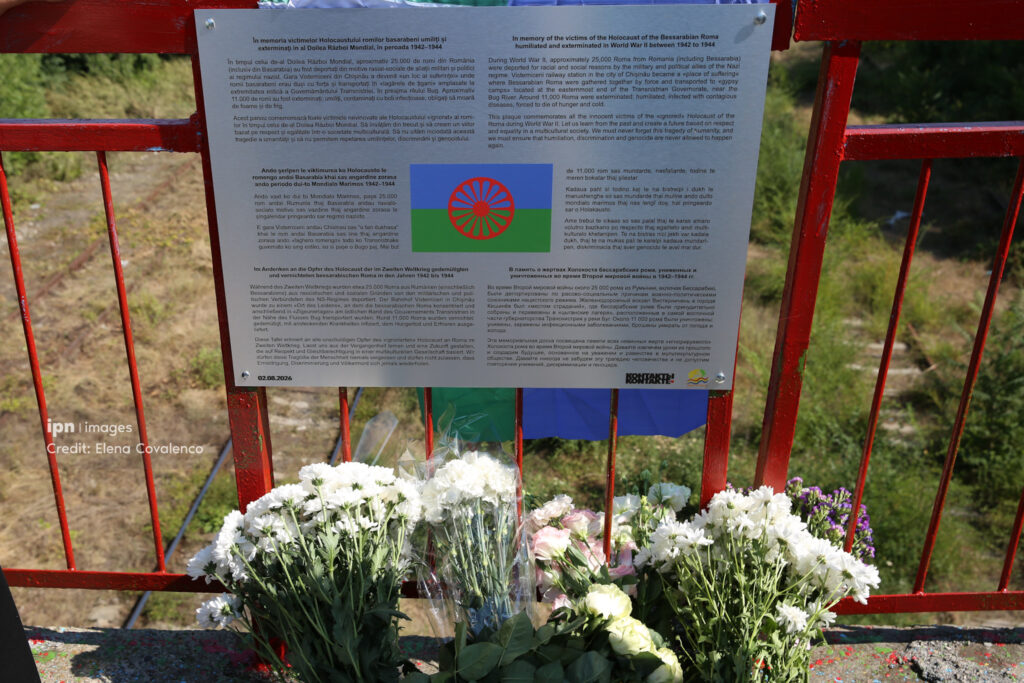

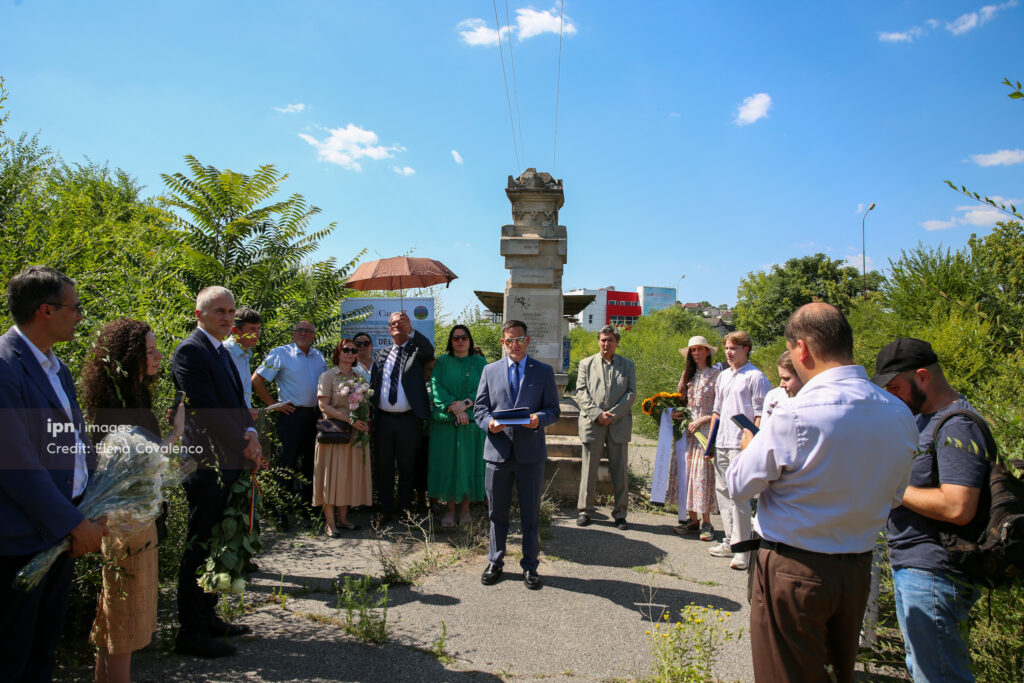
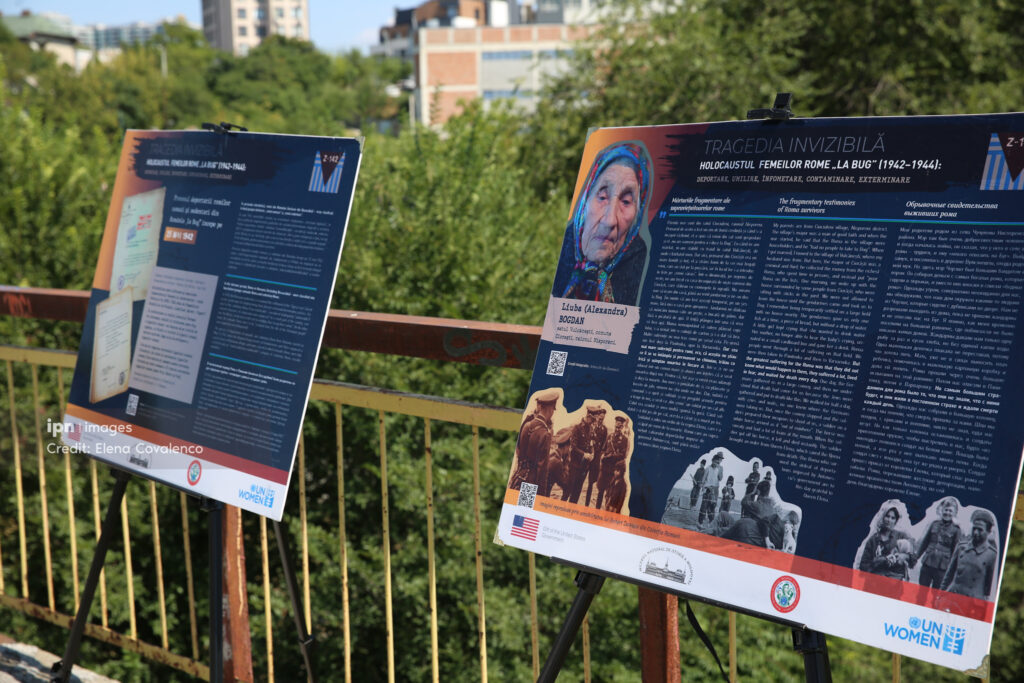
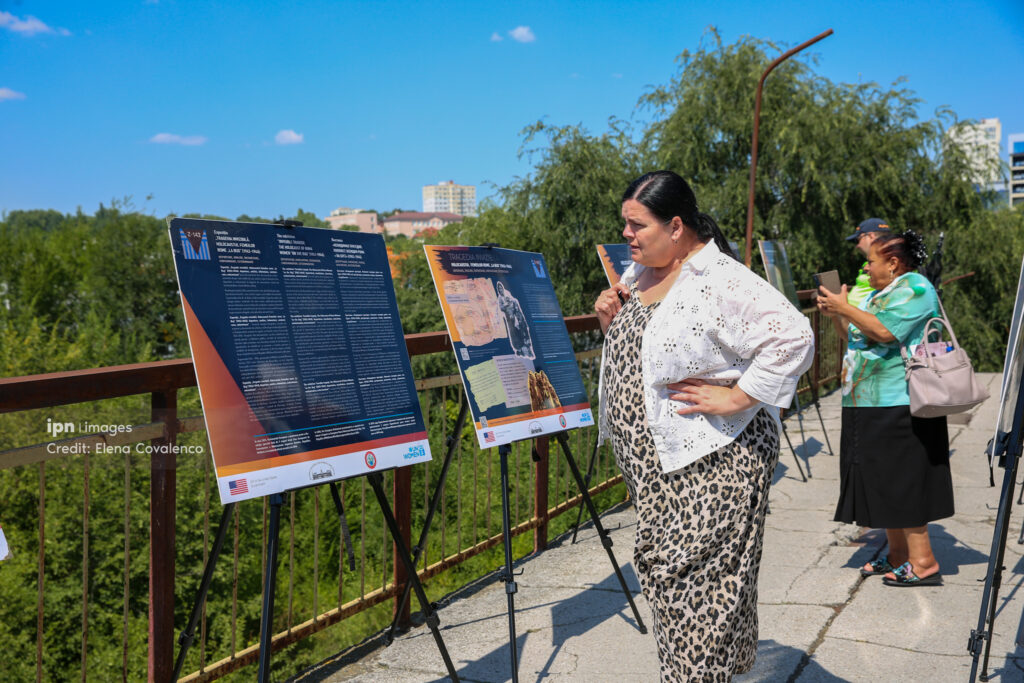
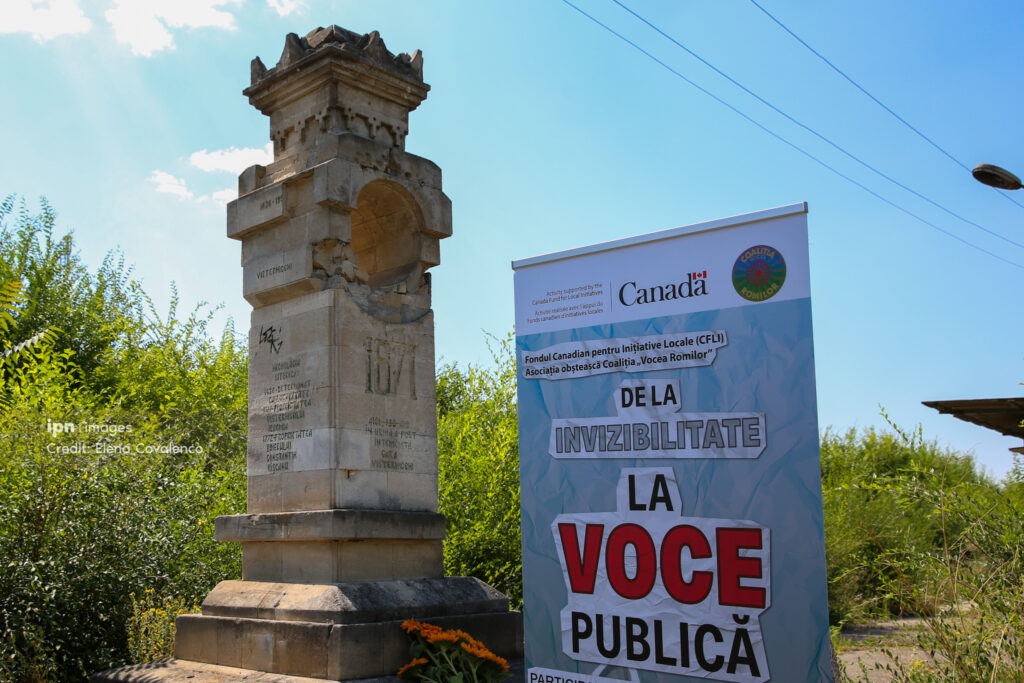
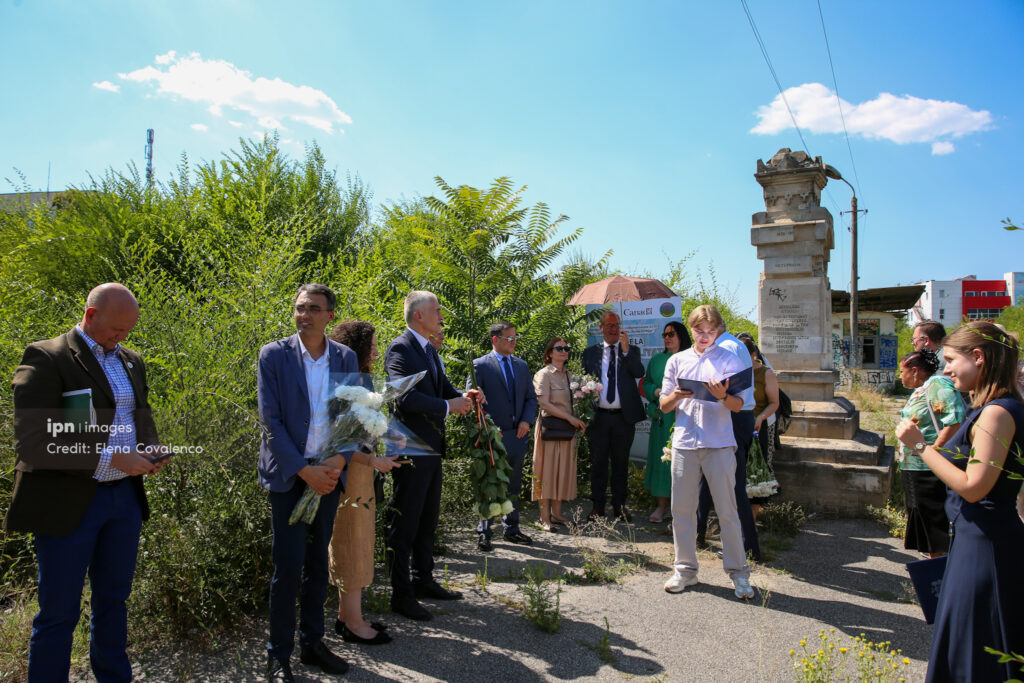
A commemorative plaque dedicated to the victims of the Holocaust against the Roma during the Second World War was unveiled on the territory of the Visterniceni Station in the city of Chisinau. The unveiling ceremony also included the laying of flowers in memory of the victims, in the context of the European Day of Remembrance for the victims of the Roma Holocaust, reports IPN.

The initiators of the project specified that the commemorative plaque is made in five languages – Romanian, Romani, Russian, English, and German – and represents a first step towards the arrangement of a memorial complex dedicated to the victims of the Roma Holocaust. They mentioned that, before the inauguration, symbolic elements placed near the plaque were vandalized and expressed their hope that the commemorative plaque will be respected and preserved.

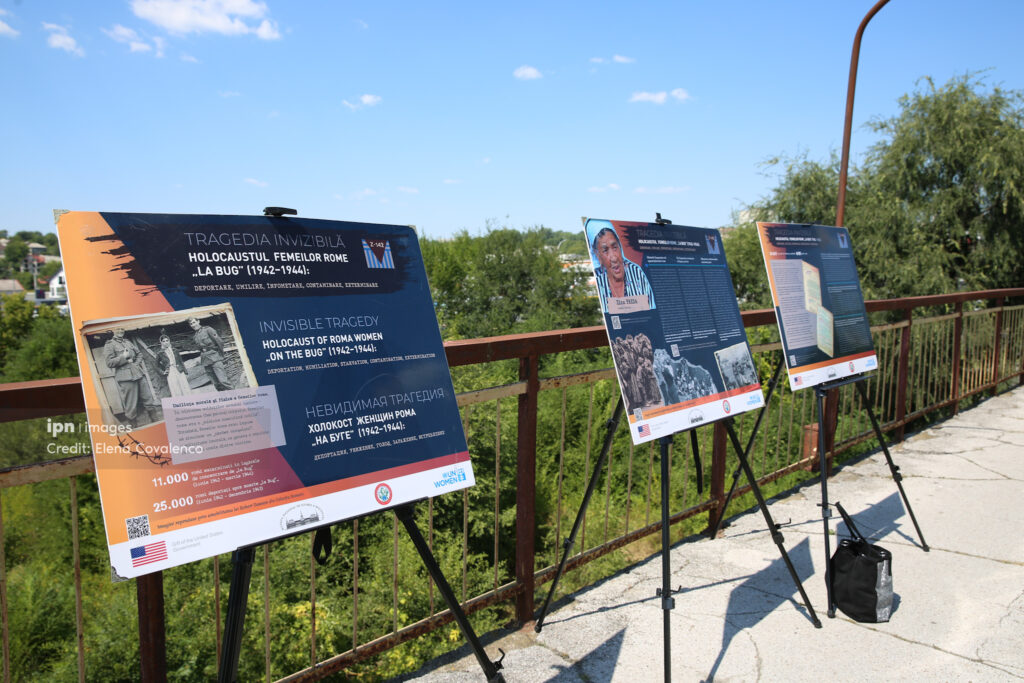
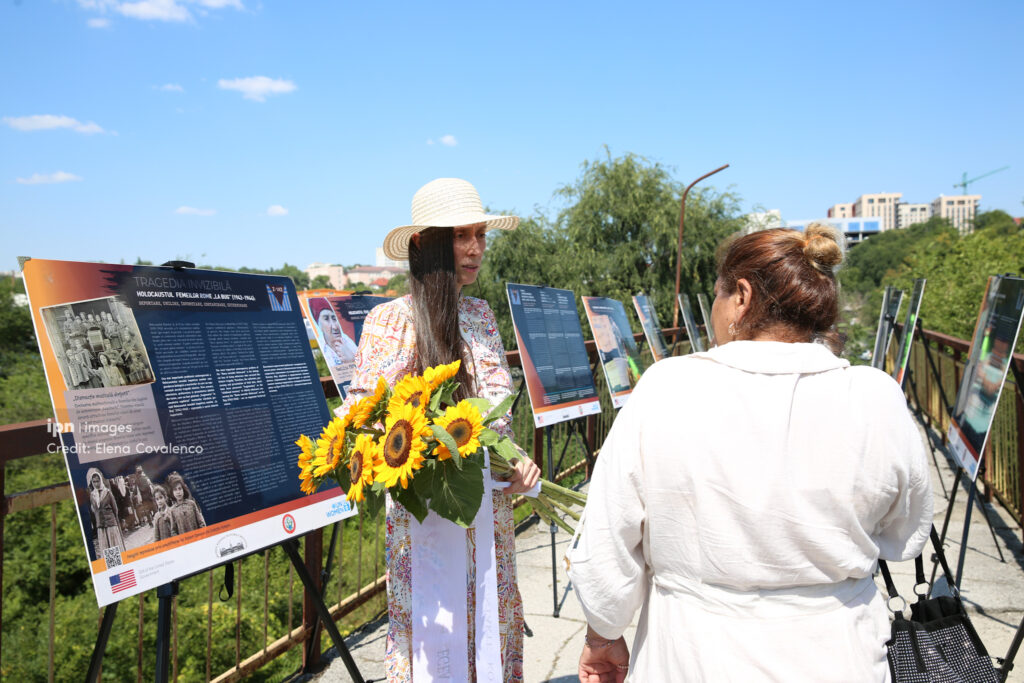
According to the data presented at the event, between September 12 and 16, 1942, from Visterniceni Station, thousands of Roma, mostly women and children, were loaded into freight wagons and deported to camps in the Transnistrian region. During the period 1942-1944, approximately 25 thousand Roma were deported, and about 11 thousand died due to hunger, cold, diseases, and lack of medical assistance.

On the same day, the round table “The Memory of the Roma Holocaust – lessons for the present and future” took place, during which actions to promote the memory of the Roma Holocaust and combat discrimination were presented. Participants highlighted the role of education in preventing hate speech and intolerance.

The State Secretary of the Ministry of Education and Research, Valentina Olaru, stated that the new action plan for the years 2027-2030 will include measures to combat racism, anti-Semitism, anti-Roma discrimination, xenophobia, and other forms of intolerance. According to her, the explicit inclusion of the term “anti-Roma discrimination” reaffirms the state’s commitment to prevent discrimination and promote education based on respect for human rights.

0 FacebookTwitterPinterestEmail


1 IANUARIE, 2025
1 IANUARIE, 2025