

New heating distribution methodology contains errors from previous iteration, expert

The new methodology for calculating heating distribution costs proposed by the Ministry of Energy contains practically the same mistakes from the methodology that has been in force since October 2022, says the energy expert Sergiu Ungureanu.

One example, according to Ungureanu, is that no exact calculation is made of the heat flow that must be paid by the final consumer, regardless of whether they are connected or disconnected from the centralized system.y

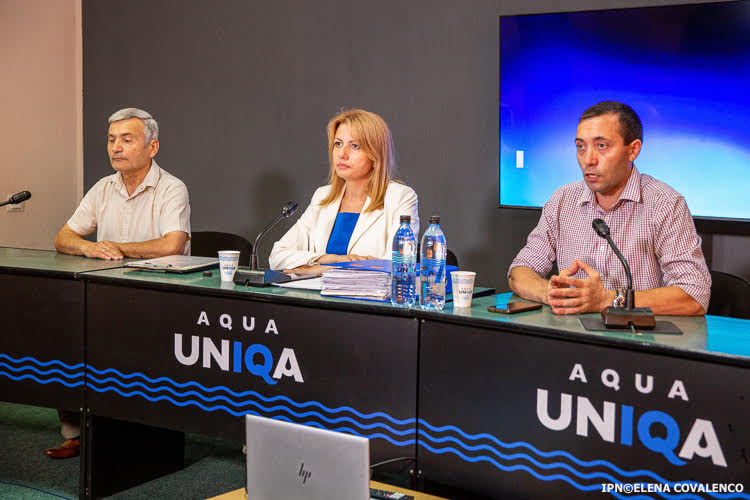
In a press conference held together with the former lawmaker Arina Spătaru, the expert stated that the methodology proposed today is “practically copied word for word” from the previous iteration, which already “raised a lot of dissatisfaction” among consumers.

“There are situations where, for example, there is no technical floor or heated basement, but the methodology considers them implicitly. Another thing, also very important, losses through technical walls are not considered. Now, there are walls that have a certain thickness, there are walls that can be insulated, because many people have done this, but that is not taken into account. At the same time, many have undertaken other energy efficiency measures, replaced the windows for instance, and this, again, is not taken into account”, explains Sergiu Ungureanu.

According to him, the methodology does not define heated or unheated basement, or insulated and non-insulated pipes. “One of the big problems we observe in this methodology is the non-transparency, because for each block, each user must know very well all the data used in the calculations. It is not a transparency related to the total heated surface of a block. Many have made changes – they added balconies, lodges or additional buildings to the heated surface, increased the number of elements in the heating system. So, today, every citizen does not have access to know what is the heated surface of their neighbors or of whole block”, said the energy expert.

Sergiu Ungureanu added that the calculation formulas in the methodology were based on a study that did not pass all the prescribed stages. “The baseline data in this study is somehow included without being calculated accurately. Therefore, the resulting formulas also raise many questions from a technical point of view. There are many solutions to have a better methodology, including the need for individual counters, which today is possible”, the expert added.


The Cabinet of Ministers convenes for a meeting /Government House, entrance from Pushkin Street /at 10:00 AM/.

Public consultations are taking place regarding the draft law for amending the Electoral Code /Parliament, Europa Hall /at 10:00 AM/.

The public movement Sovereigns of Moldova and the public organization ADOR My City are organizing a press conference on the topic: “Results of the online Orthodox Conference “Protection of Orthodox Unity in Moldova”. Announcement of the resolution adopted at the conference” /Infotag /at 11:00 AM/.

The City Hall of Chisinau is conducting public consultations on the “Territorial Cooperation” and “Traffic and Transport” foundation studies, developed within the process of updating the General Urban Plan Chisinau 2040 /Pretura of the Central sector /at 01:00 PM/.

The Investment Agency organizes workshops dedicated to Moldovans settled abroad as part of the Open Doors Day, organized on the occasion of the Diaspora Days 2026 /Investment Agency /at 02:00 PM/.

Public consultations are taking place regarding the draft law for amending the Electoral Code /State University Hall in Comrat, Galatana street no. 17 /at 03:00 PM/.

0 FacebookTwitterPinterestEmail


New heating distribution methodology contains errors from previous iteration, expert

The new methodology for calculating heating distribution costs proposed by the Ministry of Energy contains practically the same mistakes from the methodology that has been in force since October 2022, says the energy expert Sergiu Ungureanu.

One example, according to Ungureanu, is that no exact calculation is made of the heat flow that must be paid by the final consumer, regardless of whether they are connected or disconnected from the centralized system.y

In a press conference held together with the former lawmaker Arina Spătaru, the expert stated that the methodology proposed today is “practically copied word for word” from the previous iteration, which already “raised a lot of dissatisfaction” among consumers.

“There are situations where, for example, there is no technical floor or heated basement, but the methodology considers them implicitly. Another thing, also very important, losses through technical walls are not considered. Now, there are walls that have a certain thickness, there are walls that can be insulated, because many people have done this, but that is not taken into account. At the same time, many have undertaken other energy efficiency measures, replaced the windows for instance, and this, again, is not taken into account”, explains Sergiu Ungureanu.

According to him, the methodology does not define heated or unheated basement, or insulated and non-insulated pipes. “One of the big problems we observe in this methodology is the non-transparency, because for each block, each user must know very well all the data used in the calculations. It is not a transparency related to the total heated surface of a block. Many have made changes – they added balconies, lodges or additional buildings to the heated surface, increased the number of elements in the heating system. So, today, every citizen does not have access to know what is the heated surface of their neighbors or of whole block”, said the energy expert.

Sergiu Ungureanu added that the calculation formulas in the methodology were based on a study that did not pass all the prescribed stages. “The baseline data in this study is somehow included without being calculated accurately. Therefore, the resulting formulas also raise many questions from a technical point of view. There are many solutions to have a better methodology, including the need for individual counters, which today is possible”, the expert added.


Two commercial ships owned by Turkish companies were attacked by drones in the Black Sea, and several crew members were injured. The authorities in Ankara condemn the incidents and warn that the intensification of attacks on civil maritime transport could affect navigation safety and food supply, reports IPN.

The Turkish Ministry of Foreign Affairs announced that the attacks took place after the ships left the Russian port of Novorossiisk on Monday evening. Several crew members were injured, and their condition is being monitored.

Ankara has expressed concern about the escalation of the conflict between Russia and Ukraine in the Black Sea, emphasizing that the incidents affect civil maritime transport. The Turkish Ministry of Foreign Affairs has appealed to all parties involved to take urgent measures to ensure navigation safety, warning that risks to commercial routes could have consequences on food supply.

According to the MarineTraffic maritime traffic monitoring platform, the targeted ships – Yasar and Nadezhda – sail under the flags of Panama and Cameroon, but are owned by Turkish companies.

0 FacebookTwitterPinterestEmail


1 IANUARIE, 2025
1 IANUARIE, 2025