

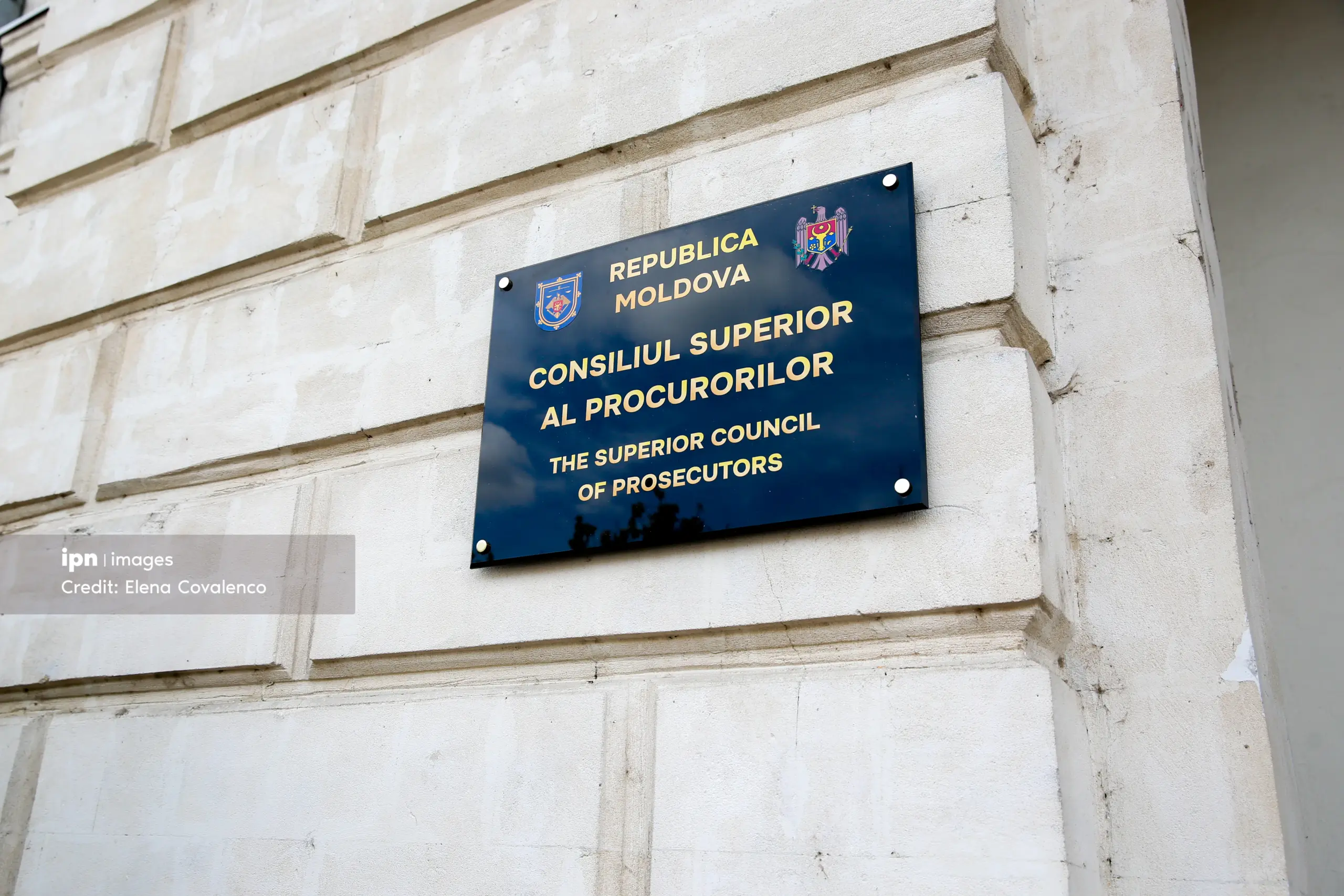
CSP criticizes the project of the new salary law: discrepancies between prosecutors and judges

The Superior Council of Prosecutors does not support the project of the new wage law in the public sector, arguing that it does not take into account the peculiarities of the prosecution system. According to the CSP, the document, which it negatively reviewed, provides for the reduction of some wage coefficients, the decrease of bonuses and annual awards, as well as the maintenance of wage discrepancies between prosecutors and judges, reports IPN.

The CSP members clarify that they do not dispute the necessity of wage reform in the public sector, however, they believe that the project should be analyzed in terms of its impact on the functionality and independence of the prosecution. According to them, there is a lack of a distinct analysis of the system’s situation, including the staff shortage and vacant positions, as well as a comparative evaluation with the member states of the European Union.

According to the Council, the project contradicts its assumed objectives. Although the authors claim to aim at increasing the attractiveness of public functions, the document provides for the reduction of performance bonuses, the decrease of annual awards, and the compensation for certain categories of employees.

The institution highlights wage discrepancies between positions with a similar level of responsibility. According to CSP, the project introduces a wage class difference between the position of deputy prosecutor general and that of chief prosecutor of a specialized prosecution office.

At the same time, the Council draws attention to the wage differences between the prosecutors in the field and those in the district prosecutor’s offices, which can reach up to five salary classes, including for individuals with the same seniority and professional status.

According to the CSP, the application of the new salary formula could lead to a difference of up to six salary classes between the remuneration of a territorial prosecutor and that of a judge, in favor of the judge.

In this context, the Council requests a review of the salary classes for territorial prosecutor’s offices and a reexamination of the bill, so that it reflects the realities and needs of the prosecution system.


The Transylvania International Film Festival begins, the VI edition, with film screenings, meetings with filmmakers, masterclasses and workshops dedicated to cinema enthusiasts (24-26 July) /Artcor, “Odeon” Cinema and “Loteanu” Cineplex /at 04:30 PM/.

The films “Was It or Wasn’t It?” and “Orphan” will be screened as part of the 6th Transylvania International Film Festival /Cineplex Loteanu /at 05:00 PM/; 07:15 PM/.

The opening gala of the 6th Transylvania International Film Festival will take place, featuring a screening of the film “3 Days in September” /Odeon Cinema /at 07:00 PM/.

Romanian short films are being screened as part of the 6th Transylvania International Film Festival /Artcor /at 08:30 PM/.

The exhibition “Scent of Warm Bread. Bread in the Iron Age” continues /National Museum of History of Moldova /July 22 – September 4/.

The exhibition “Urban Archeology and the Hidden Memory of Chisinau” continues /National Museum of History of Moldova /July 17-November 30/.

The contemporary art exhibition-competition continues: The municipal salon within the “Te salut, Chisinau!” Festival, the VI edition, dedicated to the 590th anniversary of the city /Constantin Brancusi Exhibition Center /July 8-26/.

The documentary exhibition “Echo from the past, for present and future” continues, dedicated to the memory of the victims of Stalinist deportations and one of the most tragic episodes in the history of Bessarabia /BNRM /July 3-August 3/.

The exhibition “The Thread of Identity! The traditional Romanian costume in book illustrations made by plastic artists from the Republic of Moldova” continues /BNRM /June 25-August 15/.

The graphic exhibition by Lica Sainciuc continues, opened as part of the Creative Industries Festival /Lutnita Gallery /June 5 – July 31/.

0 FacebookTwitterPinterestEmail


CSP criticizes the project of the new salary law: discrepancies between prosecutors and judges

The Superior Council of Prosecutors does not support the project of the new wage law in the public sector, arguing that it does not take into account the peculiarities of the prosecution system. According to the CSP, the document, which it negatively reviewed, provides for the reduction of some wage coefficients, the decrease of bonuses and annual awards, as well as the maintenance of wage discrepancies between prosecutors and judges, reports IPN.

The CSP members clarify that they do not dispute the necessity of wage reform in the public sector, however, they believe that the project should be analyzed in terms of its impact on the functionality and independence of the prosecution. According to them, there is a lack of a distinct analysis of the system’s situation, including the staff shortage and vacant positions, as well as a comparative evaluation with the member states of the European Union.

According to the Council, the project contradicts its assumed objectives. Although the authors claim to aim at increasing the attractiveness of public functions, the document provides for the reduction of performance bonuses, the decrease of annual awards, and the compensation for certain categories of employees.

The institution highlights wage discrepancies between positions with a similar level of responsibility. According to CSP, the project introduces a wage class difference between the position of deputy prosecutor general and that of chief prosecutor of a specialized prosecution office.

At the same time, the Council draws attention to the wage differences between the prosecutors in the field and those in the district prosecutor’s offices, which can reach up to five salary classes, including for individuals with the same seniority and professional status.

According to the CSP, the application of the new salary formula could lead to a difference of up to six salary classes between the remuneration of a territorial prosecutor and that of a judge, in favor of the judge.

In this context, the Council requests a review of the salary classes for territorial prosecutor’s offices and a reexamination of the bill, so that it reflects the realities and needs of the prosecution system.


Young specialists in the field of culture can submit their applications for employment and allocation in relevant public institutions. The Ministry of Culture announces that they can benefit from unique allowances of up to 120 thousand lei if they will take up the vacant positions announced by the institution, reports IPN.

The list of available positions includes roles such as artistic director, conductor, choreographer, actor, director, accompanist, museographer, librarian, and sound operator. These are distributed in public cultural institutions across the country.

Graduates of higher education institutions in the field can receive a grant of 120 thousand lei, and those of colleges – 90 thousand lei. The payment is made over the first three years of activity, in three equal installments.

For allocation, young people must submit a file that includes their identification document, the allocation request, educational documents, and other necessary papers. Graduates who have studied abroad must also present the certificate of recognition and equivalence of studies.

Applications can be submitted until August 21, in physical or electronic format. The list published by the Ministry of Culture includes 110 vacant positions in the public cultural institutions of the local public administration authorities and the Ministry of Culture.

0 FacebookTwitterPinterestEmail


1 IANUARIE, 2025
1 IANUARIE, 2025