

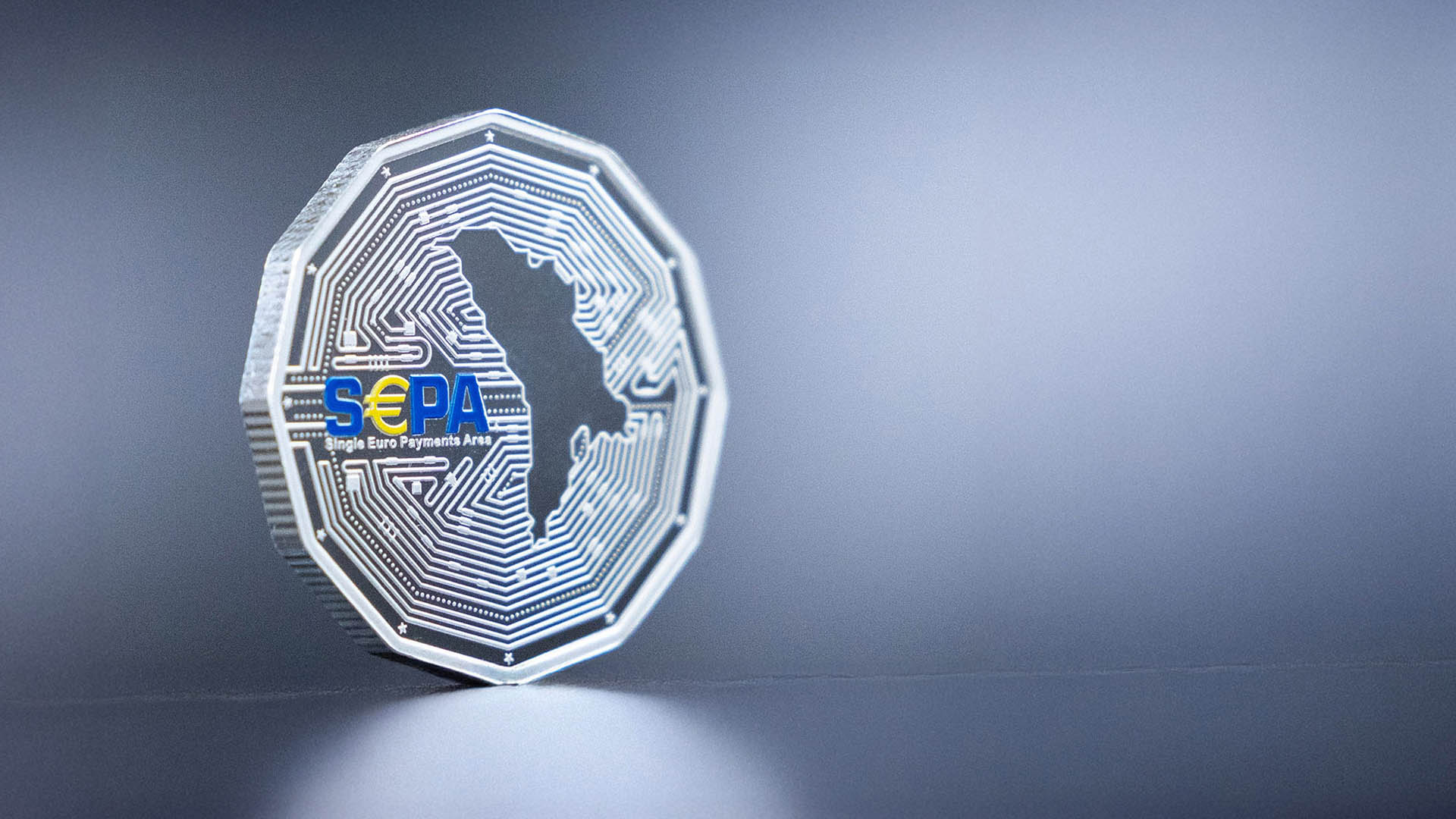
Joining SEPA reduces the commission for euro transfers from 20 to 1.26 euros

Sursa foto: BNM

The commission for euro transfers from the Republic of Moldova has significantly decreased, from over 20 euros to 1.26 euros per transaction, following the country’s accession to the Single Euro Payments Area (SEPA). Currently, the banking system processes, on average, 1,300 more transactions per day. The data is presented by the National Bank of Moldova one year after joining SEPA, reports IPN.

According to BNM, in less than a year since its acceptance and just a few months after operational interconnection, SEPA has become the main channel for cross-border euro payments of the Republic of Moldova, radically changing the way money flows to and from Europe.

The transfers made to European standards, available from October 6, have already generated concrete benefits for citizens, the diaspora, and the business environment, confirming the rapid adoption of the new payment infrastructure.

BNM specifies that, to date, over 377 thousand transfers have been made through SEPA. If these operations had been carried out through the traditional SWIFT system, the total costs would have reached approximately 6.6 million euros, compared to just 474 thousand euros through SEPA.

The Governor of the NBM, Anca Dragu, stated that integration into SEPA confirms the Republic of Moldova’s ability to adopt European financial standards and contributes to strengthening economic ties with the European Union. “Every saved euro turns into a resource for education, for the well-being of families, or for the capitalization of a local business”, mentioned the Governor of the NBM.

At present, approximately 81% of euro transfers made by Moldovans are processed through SEPA, compared to 73% in the first months of operation. Also, the business environment actively uses the system for commercial transactions, with companies making imports of over 1.7 billion euros through SEPA.


The Environmental Journalists Association is organizing the event “Old School – New Times”, as part of a grant program, part of the project “Green Justice for a Protected Environment and Sustainable Communities in the Republic of Moldova”, implemented by the EcoContact association /Suhuluceni Village, Telenesti district /at 11:00 AM/.

The seniors from the capital are invited to a new edition of musical performances, held within the framework of the socio-cultural weekend project “Dialogue between generations” (August 1-2) /Public Garden “Stefan cel Mare si Sfant” /at 04:00 PM/.

The open-air exhibition TehAgroFest 2026 continues /Tohatin Commune, outskirts, M14 Road /July 30 – August 1/.

The City Hall of Chisinau is organizing fairs and markets with local products and goods in the sectors of the capital /1-2 August/.

0 FacebookTwitterPinterestEmail


Joining SEPA reduces the commission for euro transfers from 20 to 1.26 euros

Sursa foto: BNM

The commission for euro transfers from the Republic of Moldova has significantly decreased, from over 20 euros to 1.26 euros per transaction, following the country’s accession to the Single Euro Payments Area (SEPA). Currently, the banking system processes, on average, 1,300 more transactions per day. The data is presented by the National Bank of Moldova one year after joining SEPA, reports IPN.

According to BNM, in less than a year since its acceptance and just a few months after operational interconnection, SEPA has become the main channel for cross-border euro payments of the Republic of Moldova, radically changing the way money flows to and from Europe.

The transfers made to European standards, available from October 6, have already generated concrete benefits for citizens, the diaspora, and the business environment, confirming the rapid adoption of the new payment infrastructure.

BNM specifies that, to date, over 377 thousand transfers have been made through SEPA. If these operations had been carried out through the traditional SWIFT system, the total costs would have reached approximately 6.6 million euros, compared to just 474 thousand euros through SEPA.

The Governor of the NBM, Anca Dragu, stated that integration into SEPA confirms the Republic of Moldova’s ability to adopt European financial standards and contributes to strengthening economic ties with the European Union. “Every saved euro turns into a resource for education, for the well-being of families, or for the capitalization of a local business”, mentioned the Governor of the NBM.

At present, approximately 81% of euro transfers made by Moldovans are processed through SEPA, compared to 73% in the first months of operation. Also, the business environment actively uses the system for commercial transactions, with companies making imports of over 1.7 billion euros through SEPA.


The Farmers’ Force Association asserts that the cereal and oilseed sector is going through a deep crisis, exacerbated in the last five months by the rising cost of fuel and fertilizers, the stagnation of wheat prices, and the lack of subsidies. In this context, farmers are asking the Government for a set of urgent measures to prevent the situation from worsening, reports IPN.

According to the association, the price of diesel has increased by approximately 70%, and farmers are facing a fuel shortage that threatens the agricultural work of the summer-autumn season. At the same time, the costs of fertilizers have risen by 35-40%, while the price of wheat on the domestic market remained unchanged in July and fell in the last week by 30-40 cents per kilogram.

The Farmers’ Force asserts that vegetable producers have been left without subsidies this year, and arrears for 2025 have not been paid. The Association claims that the new Agricultural Strategic Program does not provide direct payments for cereal and oilseed crops, while small and medium farmers are affected by the disasters of recent years and the pressure of creditors.

Among the measures requested are maintaining the current VAT rate for agricultural production, reintroducing the licensing of grain and oilseed imports, ensuring diesel stocks for the agricultural campaign, checking the wheat purchase market, and refunding the diesel excise for small and medium farms.

In a response to IPN, the Ministry of Agriculture and Food Industry stated that the situation in the sector is influenced by internal and external factors, including developments in regional and international markets. The institution maintains that it monitors the situation and analyzes, together with the responsible authorities, any necessary measures.

Regarding the arrears on subsidies, the ministry specifies that these will be gradually paid off, and the new Strategic Program of Agricultural Policy will not allow the accumulation of new debts, payments being made within the limit of available resources.

0 FacebookTwitterPinterestEmail


1 IANUARIE, 2025
1 IANUARIE, 2025