

“Expert-Grup”: 2018 will bring economic growth, but this will be slow and amid risks

In 2018, Moldova’s economy could grow by 4%, experts of the independent think tank “Expert-Grup” estimated in the 17th economic conference MEGA. According to them, the economic growth forecast for next year is based on the rise in agricultural production, continuation of the foreign budget support and consumption growth, IPN reports.

The experts said the forecast also shows a series of concerns about the competitiveness of the economy and uncertainty about the parliamentary elections of 2018, which could affect the investment decisions of the business  community, with repercussions for bank lending, and could camouflage the effects of the slow pace of reforms. One of these is the risk of political pressure on the budgetary-fiscal and monetary policy, through administrative interventions of an electoral character.

According to the experts, it goes to the rise in salaries, provision of social welfare, public investments or even the relaxation of monetary policy for stimulating lending. This could essentially destabilize the system of public finances and fuel inflationist risks, undermining economic growth. The enhancement of Moldovan economy’s competitiveness should remain priority zero for the authorities.

Among the findings of the experts is also the fact that the Republic of Moldova constantly misses the competition in the region for foreign markets and foreign direct investment, ranking among the last countries in Central and Eastern Europe by the share of exports in the GDP and FDI per capita. Moldova also misses the competition for the own labor force. The number of persons with higher education who leave the county annually is on the rise.
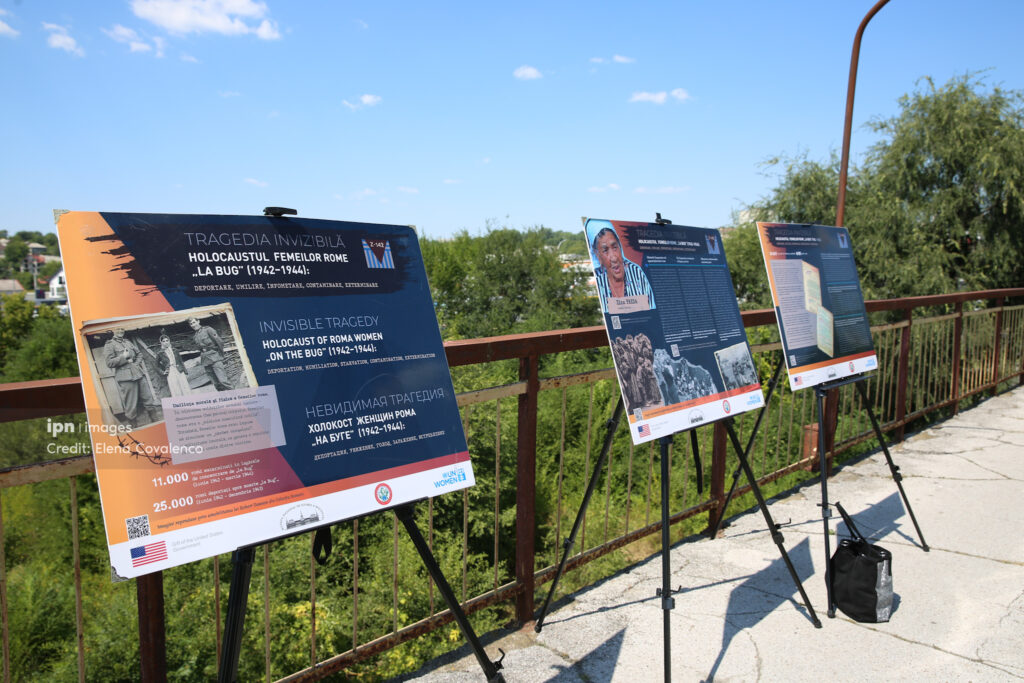
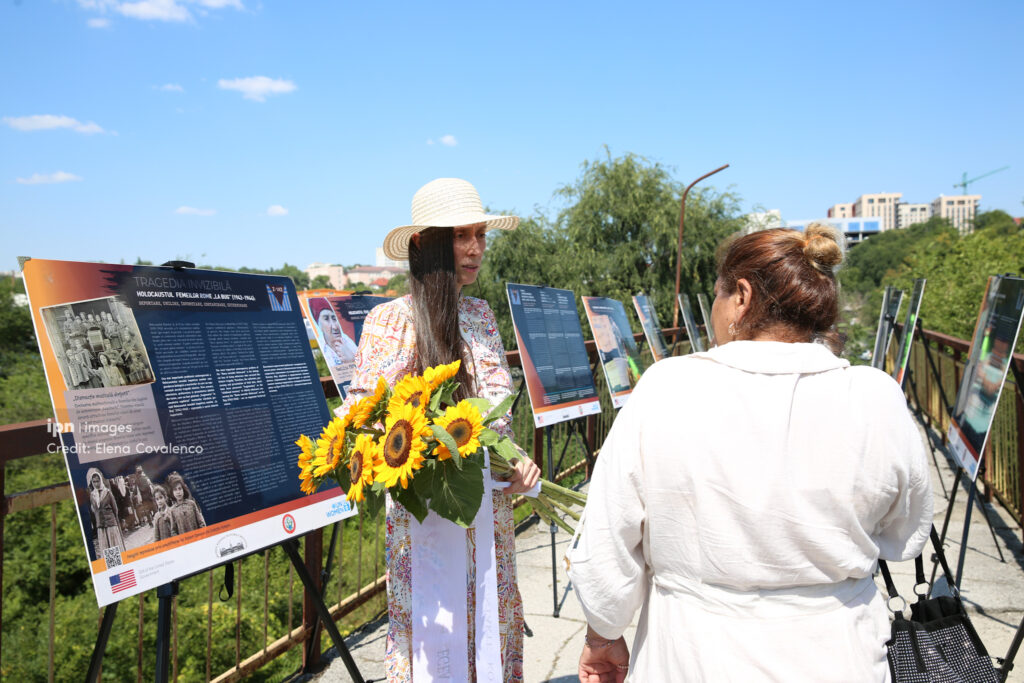
The Court of Accounts is examining in an online session the Audit Report on the compliance of the financial management allocated for the conduct of the presidential elections and the constitutional republican referendum in 2024, the Audit Report on the compliance of the financial management allocated for the conduct of the parliamentary elections in 2025 and the Audit Report on the consolidated financial reports of the Central Electoral Commission concluded on December 31, 2025 /ccrm.md /at 09:00 AM/.

The Superior Council of Magistracy convenes for a meeting /CSM /at 09:30 AM/.

The National Agency for Energy Regulation convenes a meeting /ANRE /at 10:00 AM/.

The Secretary General of the Government, Alexei Buzu, and Deputy Prime Minister Vladimir Bolea, Minister of Infrastructure and Regional Development, are holding a press conference on the incentives provided within the framework of local public administration reform and investment priorities for the development of merged local infrastructure /Government House, entrance from Banulescu-Bodoni street /at 10:00 AM/.

The Minister of Health, Alexandru Gasnaș, is making a working visit to the Balti Clinical Hospital, during which the process of managerial recovery is launched and the new interim director of the institution /SC Balti /at 11:00 AM/.

The NATIONAL “COPYRIGHT” ASSOCIATION and the NATIONAL ASSOCIATION OF PHONOGRAPH PRODUCERS AND INTERPRETERS (ANPFI) are organizing a press conference entitled: “Circumstances regarding the settlement transaction concluded between AO “MORA”, AGEPI and the Ministry of Justice” /Conference room of the IPN Agency, Teatrului street, 2/2, 3rd floor, online on FB.com/ipn.md, YouTube, Rlive.md /at 12:00 PM/.

The event “Youth talk: young people change the world” takes place within the Diaspora Days 2026 /Government House, entrance from Bănulescu-Bodoni street /at 01:00 PM/.

The Central Electoral Commission meets in session /CEC / at 03:00 PM/.

The interactive event “Quiz Diaspora” is organized within the framework of the Diaspora Days 2026 /Draft, Eugen Doga pedestrian street /at 06:00 PM/.

The Minister of Foreign Affairs of the Republic of Latvia, Baiba Braže, is making a working visit to the Republic of Moldova /August 3-4/.

0 FacebookTwitterPinterestEmail


“Expert-Grup”: 2018 will bring economic growth, but this will be slow and amid risks

In 2018, Moldova’s economy could grow by 4%, experts of the independent think tank “Expert-Grup” estimated in the 17th economic conference MEGA. According to them, the economic growth forecast for next year is based on the rise in agricultural production, continuation of the foreign budget support and consumption growth, IPN reports.

The experts said the forecast also shows a series of concerns about the competitiveness of the economy and uncertainty about the parliamentary elections of 2018, which could affect the investment decisions of the business  community, with repercussions for bank lending, and could camouflage the effects of the slow pace of reforms. One of these is the risk of political pressure on the budgetary-fiscal and monetary policy, through administrative interventions of an electoral character.

According to the experts, it goes to the rise in salaries, provision of social welfare, public investments or even the relaxation of monetary policy for stimulating lending. This could essentially destabilize the system of public finances and fuel inflationist risks, undermining economic growth. The enhancement of Moldovan economy’s competitiveness should remain priority zero for the authorities.

Among the findings of the experts is also the fact that the Republic of Moldova constantly misses the competition in the region for foreign markets and foreign direct investment, ranking among the last countries in Central and Eastern Europe by the share of exports in the GDP and FDI per capita. Moldova also misses the competition for the own labor force. The number of persons with higher education who leave the county annually is on the rise.
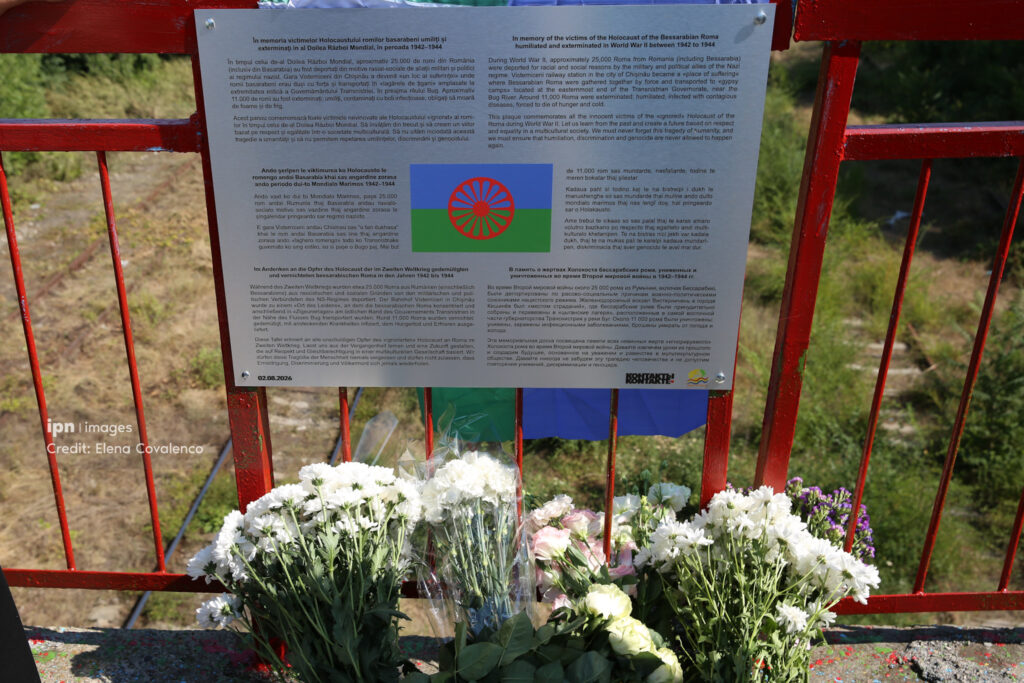

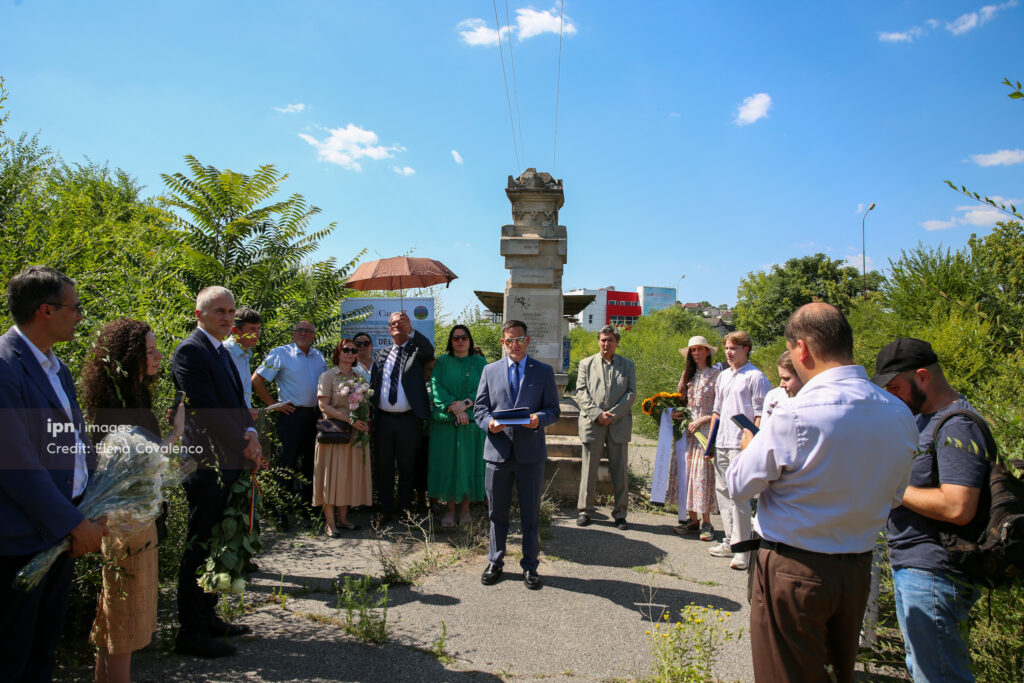
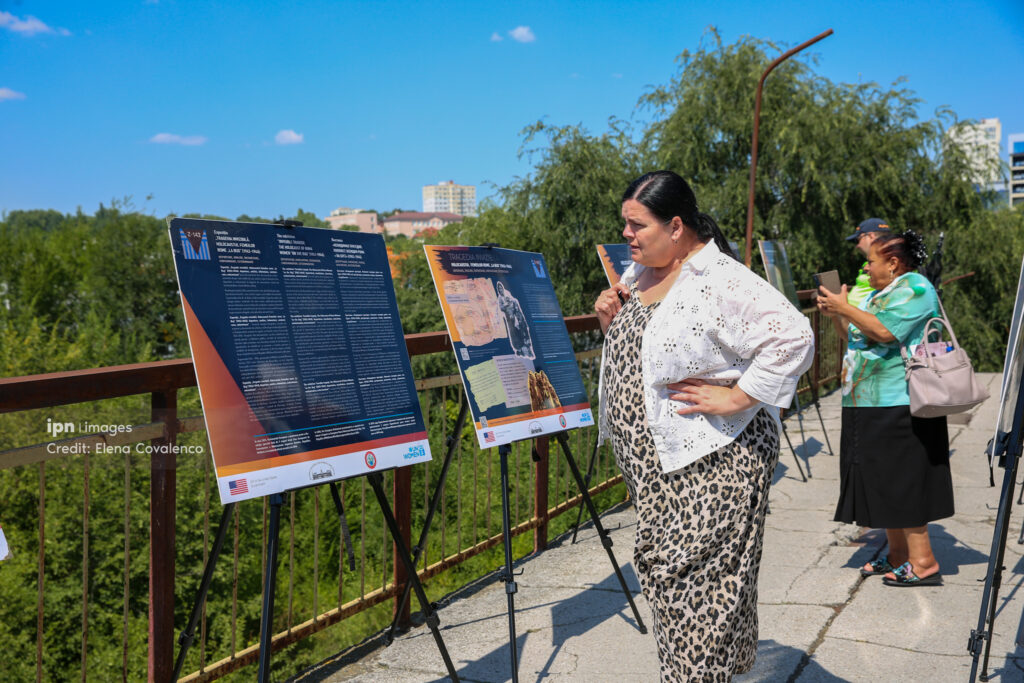
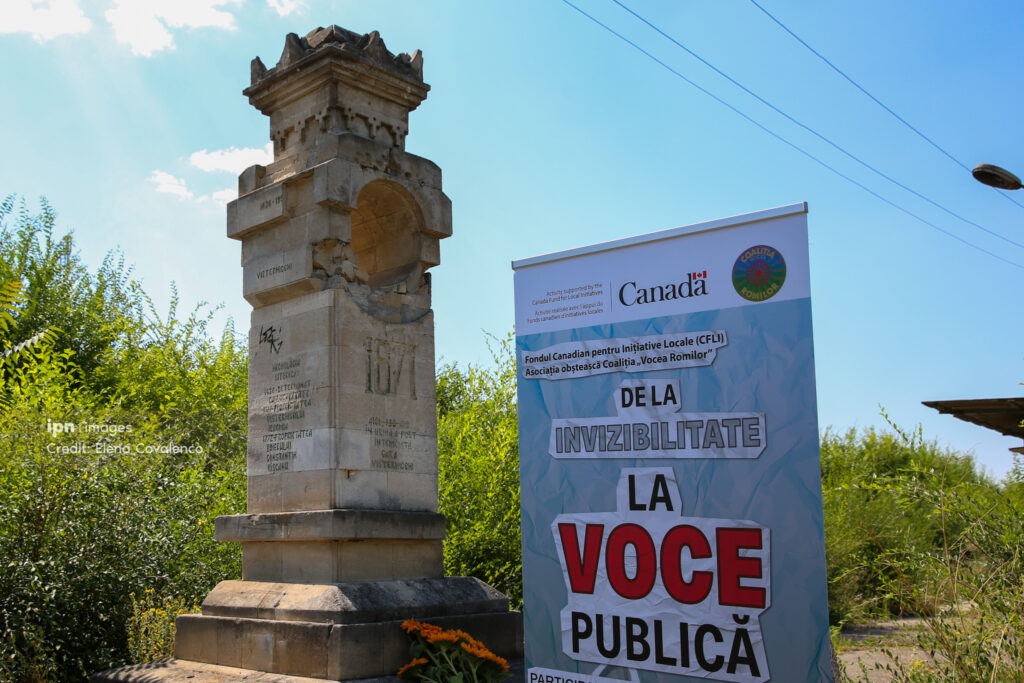
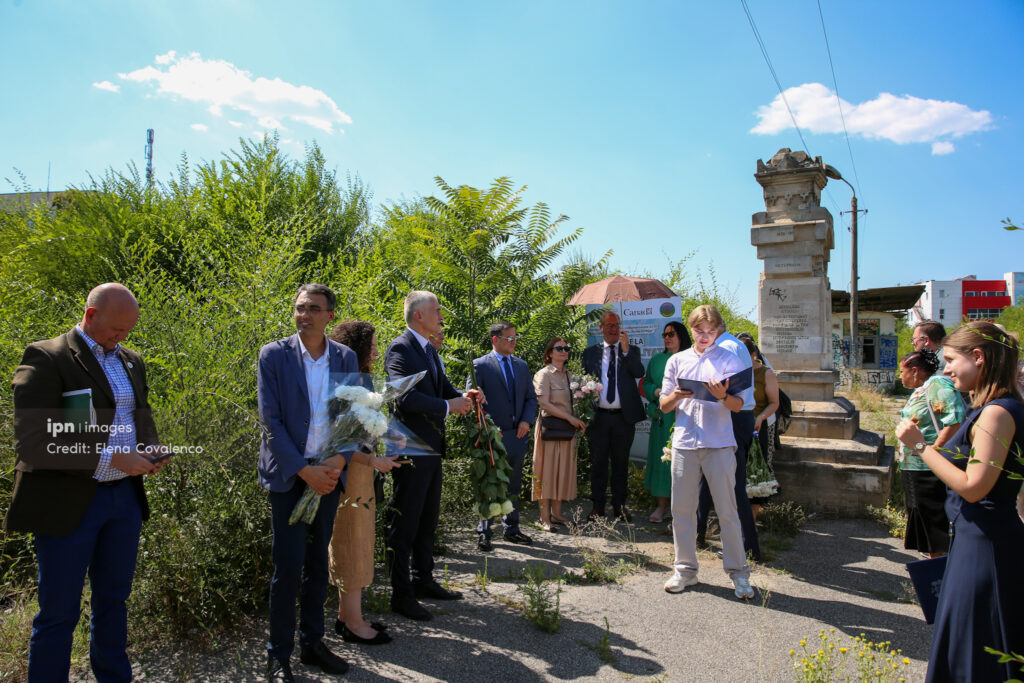
A commemorative plaque dedicated to the victims of the Holocaust against the Roma during the Second World War was unveiled on the territory of the Visterniceni Station in the city of Chisinau. The unveiling ceremony also included the laying of flowers in memory of the victims, in the context of the European Day of Remembrance for the victims of the Roma Holocaust, reports IPN.

The initiators of the project specified that the commemorative plaque is made in five languages – Romanian, Romani, Russian, English, and German – and represents a first step towards the arrangement of a memorial complex dedicated to the victims of the Roma Holocaust. They mentioned that, before the inauguration, symbolic elements placed near the plaque were vandalized and expressed their hope that the commemorative plaque will be respected and preserved.

According to the data presented at the event, between September 12 and 16, 1942, from Visterniceni Station, thousands of Roma, mostly women and children, were loaded into freight wagons and deported to camps in the Transnistrian region. During the period 1942-1944, approximately 25 thousand Roma were deported, and about 11 thousand died due to hunger, cold, diseases, and lack of medical assistance.

On the same day, the round table “The Memory of the Roma Holocaust – lessons for the present and future” took place, during which actions to promote the memory of the Roma Holocaust and combat discrimination were presented. Participants highlighted the role of education in preventing hate speech and intolerance.

The State Secretary of the Ministry of Education and Research, Valentina Olaru, stated that the new action plan for the years 2027-2030 will include measures to combat racism, anti-Semitism, anti-Roma discrimination, xenophobia, and other forms of intolerance. According to her, the explicit inclusion of the term “anti-Roma discrimination” reaffirms the state’s commitment to prevent discrimination and promote education based on respect for human rights.

0 FacebookTwitterPinterestEmail


1 IANUARIE, 2025
1 IANUARIE, 2025